
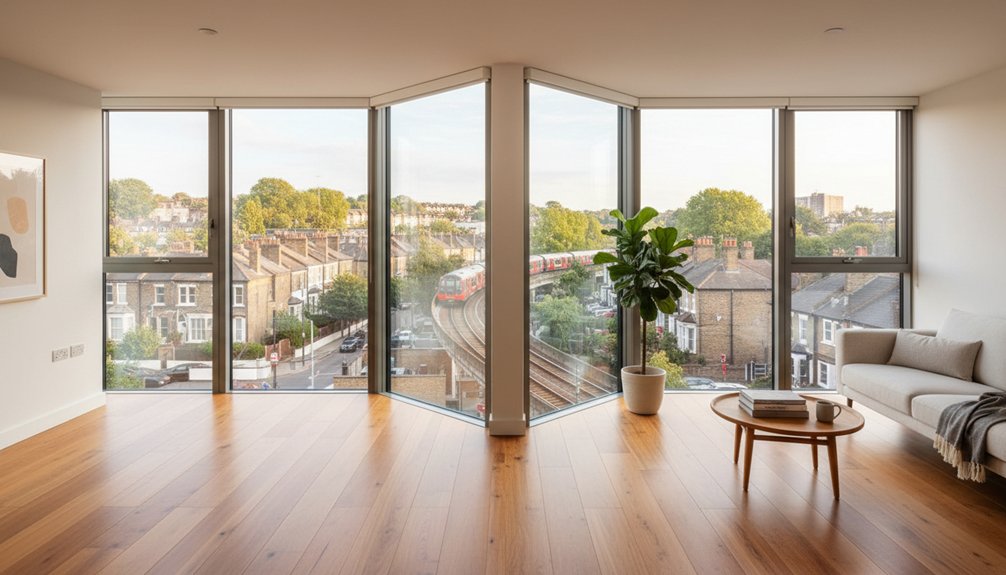
If you’re considering renting in Tottenham, you’ll find a practical mix of flexibility, improving transport and varied local character. You can test demand, commute from well-connected hubs such as Seven Sisters or Tottenham Hale, and compare rental options before committing to ownership. Ongoing regeneration may support future values, while renovation potential varies by property and street. Costs and amenities also differ sharply, so your choice of area could matter more than expected.
Key Takeaways
- Renting in Tottenham offers flexibility to test local demand, transport links, amenities, and future investment potential before buying.
- Seven Sisters, Tottenham Hale, Bruce Grove, and West Green provide distinct lifestyles, from vibrant connectivity to quieter, community-focused surroundings.
- Excellent Victoria line, Overground, rail, and bus connections support commutes to central London, Stratford, Liverpool Street, and Stansted Airport.
- Rental options range from affordable flats and modern developments to spacious terraced houses suitable for families and sharers.
- Compare rent, bills, transport costs, property condition, service charges, and nearby regeneration when assessing overall affordability and value.
Is Tottenham a Good Place to Rent?
Tottenham is a strong place to rent if you value improving amenities, excellent transport links, and comparatively accessible rents within North London. You’ll benefit from Victoria line access, Overground services, and straightforward connections across the capital, supporting reliable commuting and tenant demand.
Community diversity adds energy, independent businesses, cafés, and cultural appeal, while ongoing regeneration can strengthen long-term rental prospects.
Local safety varies by street, so you should inspect routes, lighting, building security, and council information before signing.
From an investment perspective, compare achievable rent with purchase prices, service charges, and refurbishment costs. Period properties may offer renovation upside, but you’ll need to budget carefully for compliance, insulation, damp, and maintenance.
Renting first lets you test demand, transport convenience, and local investment potential before committing capital to a purchase.
Which Tottenham Area Fits Your Lifestyle?
Once you’ve weighed Tottenham’s transport, amenities, and rental prospects, the right neighbourhood depends on how you plan to live or invest.
Choose Seven Sisters if you value fast connections, independent shops, and strong tenant demand; its convenience can support resilient rents, though competition and pricing may be higher.
Tottenham Hale suits commuters and investors targeting regeneration, new infrastructure, and modern amenities, but you should assess service charges and construction disruption.
For a more community-led feel, Bruce Grove offers local cafes, cultural venues, and improving connectivity, with renovation potential in older properties.
West Green appeals if you prioritise character, quieter streets, and green spaces while staying near retail and transport.
Compare purchase prices, rental yields, refurbishment costs, and future development plans before committing.
Your lifestyle priorities should guide the investment strategy, not merely headline growth.
What Types of Homes Can You Rent?
You can choose from flats and apartments, terraced houses, or modern rental developments across Tottenham.
Consider how space, amenities, and transport access affect your budget, lifestyle, and long-term rental value.
If you’re weighing renovation potential, terraced homes may offer more flexibility, while newer developments typically reduce maintenance concerns.
Flats and Apartments
What kind of flat suits your Tottenham rental strategy? You can choose from compact studios, one-bedroom conversions, modern two-bedroom apartments, or larger purpose-built units near transport links.
A studio may minimise your entry cost, while a well-designed two-bedroom flat could attract sharers, couples, or professionals and support stronger resale appeal.
Check lease length, service charges, ground rent, energy performance, and planned major works before committing.
Renovation potential matters: cosmetic upgrades, efficient storage, improved lighting, and refreshed kitchens can lift tenant demand without overcapitalising.
Review Furnishing options carefully, because a furnished flat may command a premium but create replacement costs.
During Rental negotiation, compare comparable listings, incentives, and void risks rather than focusing only on headline rent.
Prioritise layouts that remain practical, easy to maintain, and adaptable as Tottenham’s market evolves.
Terraced Houses
Terraced houses can suit Tottenham renters seeking more space, private outdoor areas, and adaptable layouts without the cost of a detached property. You’ll often find two- or three-storey homes with separate reception rooms, generous bedrooms, and rear gardens, making them practical for families, sharers, or home working.
Tottenham’s historical architecture gives many terraces distinctive façades and long-term character, while varied streetscapes can support strong rental demand.
Before signing, inspect the roof, windows, damp, plumbing, and insulation; older properties may need upgrades that affect comfort and running costs. You should also check whether alterations have planning or building-control approval.
A well-maintained terrace can offer attractive space and potential value, but pricing depends heavily on condition and location. Local amenities and a welcoming neighborhood community can strengthen your daily experience and the property’s letting appeal.
Modern Rental Developments
Modern rental developments in Tottenham offer renters energy-efficient apartments and purpose-built homes with contemporary layouts, secure entry systems, communal spaces, and lower-maintenance living. You’ll often find concierge services, co-working areas, gyms, roof terraces, and other Luxury amenities designed to support busy lifestyles.
Many schemes also include Green spaces, cycle storage, balconies, and landscaped courtyards, helping you balance urban convenience with outdoor access. For renters, these features can justify higher monthly costs when you value predictability, comfort, and reduced repair responsibilities.
You should compare service charges, energy performance, transport links, and developer reputation before signing. Investors can benefit from strong tenant demand, but they’ll need to assess rental yields, ongoing management fees, and future competition.
If you’re renovating, check lease restrictions before altering fixtures, flooring, or built-in appliances.
How Much Does Renting Cost in Tottenham?
Although rents vary by postcode, property type and finish, you can expect Tottenham rental prices to reflect its mix of period terraces, converted flats and newer developments.
One-bedroom flats typically offer the most accessible entry point, while larger homes command a premium, particularly where gardens, parking or high-quality refurbishment feature.
Pricing trends can shift quickly as demand responds to supply, seasonality and improvements to local housing stock.
You’ll often pay more for turnkey interiors, efficient heating and well-managed communal spaces, but these features may justify the premium through comfort and stronger resale appeal.
For tenants, Rental affordability depends on income, bills and transport budgets, not rent alone.
If you’re investing, compare achievable rent with purchase costs, renovation allowances and maintenance before committing.
A dated property might offer value, provided your upgrade budget remains realistic.
How Easy Is Commuting From Tottenham?
You’ll benefit from Tottenham’s fast rail connections, helping you reach central London and key employment hubs efficiently.
Convenient bus routes add flexibility for local journeys and can strengthen tenant appeal.
For investors, this connectivity supports rental demand and can enhance the value of well-renovated homes.
Fast Rail Connections
Tottenham offers practical rail links for commuters, with services from stations such as Tottenham Hale, Seven Sisters and Bruce Grove connecting residents to central London and beyond. You can reach Liverpool Street, Stratford and other major employment hubs efficiently.
Tottenham Hale provides access to Stansted Airport and High speed trains via the wider network. This rail connectivity strengthens rental demand, particularly among professionals seeking shorter journeys without central-London prices.
For investors, proximity to a station can support stronger occupancy and resale appeal, although you should compare exact walking times before committing.
Renovating a property near a rail hub? Prioritise sound insulation, secure cycle storage and a well-planned home office. These practical upgrades help you attract commuters, protect rental value and position your Tottenham investment for long-term growth.
Convenient Bus Routes
How easily can you commute from Tottenham without relying on the Tube? Extensive bus accessibility gives you practical transportation options across north and central London.
Routes such as the 41, 76, 149, 231 and 259 connect residential streets with Wood Green, Edmonton, Stoke Newington and Finsbury Park, while night buses support late shifts and social travel. Check route frequency and stop proximity before choosing a rental, because a short walk can protect your time and improve tenant demand.
For investors, reliable bus links can broaden a property’s appeal beyond Tube-dependent renters, especially where refurbishment creates well-designed, work-from-home accommodation. If you’re renovating, prioritise secure cycle storage, durable entrance finishes and flexible layouts for commuters.
Compare journey times at peak hours, since traffic affects value more than headline distance. Good bus connections won’t replace every rail trip, but they add resilience.
Which Amenities Matter to Tottenham Renters?
While location still drives demand, the right amenities can help your Tottenham rental attract stronger applicants, support premium rent, and protect resale value. Prioritise reliable broadband, generous storage, quality appliances, and a practical workspace, as renters increasingly expect homes that support hybrid routines.
A secure entry system, bike storage, and well-maintained communal areas can also strengthen your listing without demanding major capital expenditure. If you’re renovating, durable flooring, efficient lighting, and a modern bathroom usually offer better rental appeal than highly personal finishes.
Local amenities, including supermarkets, parks, gyms, and cafés, add daily convenience and help justify your pricing. Consider Rental flexibility too: furnished options, pet-friendly policies, and adaptable rooms can widen demand.
Choose upgrades that improve usability, reduce maintenance, and keep the property competitive across changing tenant preferences and future resale.
How to Find the Right Tottenham Rental
Once you’ve identified the amenities that support demand, focus on finding a Tottenham rental with the right balance of location, condition, income potential, and manageable running costs. Compare asking rents, recent letting evidence, transport access, and local development plans before you commit.
During viewings, inspect windows, heating, plumbing, electrics, roof condition, and signs of damp; small defects can become costly voids or maintenance claims. If renovation adds value, price works realistically and check planning, licensing, and lease restrictions first.
Your rental yield should reflect mortgage costs, insurance, service charges, repairs, tax, and realistic vacancy periods—not optimistic projections. Understand the renting process, from referencing to deposit protection, and respect tenant rights throughout.
Finally, negotiate using evidence, commission appropriate surveys, and choose a property whose numbers still work after a cautious stress test.
Frequently Asked Questions
Are Rental Properties in Tottenham Typically Furnished or Unfurnished?
You’ll find both furnished and unfurnished rentals in Tottenham, though unfurnished homes often dominate. Consider furnishing preferences and rental market trends: furnished units attract professionals, while unfurnished properties offer renovation flexibility and potentially stronger long-term investment control.
What Documents Do Landlords Require From Prospective Tottenham Tenants?
You’ll need identification, proof of income, employment details, bank statements, and landlord references for tenant screening. Landlords may request credit checks and right-to-rent evidence before preparing lease agreements, protecting your investment and renovation plans.
How Long Does the Typical Tottenham Rental Application Process Take?
You’ll typically complete a Tottenham rental application within three to seven days, provided your documents are ready. Monitor Rental price trends, assess Neighborhood safety, and factor renovation potential before committing to a property or investment.
Are Pets Generally Allowed in Tottenham Rental Properties?
You’ll find pets allowed in many Tottenham rentals, but Pet policies vary; one tenant’s spaniel opened doors, while breed restrictions and deposits can narrow choices. Check clauses early, protect your investment, and budget for renovation-resistant finishes.
Who Is Responsible for Repairs and Maintenance in a Tottenham Rental?
You’ll usually rely on landlord responsibilities for structural repairs, plumbing, heating, and safety compliance. Your tenant obligations cover reporting issues promptly, preventing damage, and handling minor upkeep; check your lease before budgeting renovation-related improvements.
Conclusion
Renting in Tottenham gives you flexibility while you assess the area’s growth, transport, and lifestyle fit. You can choose a Seven Sisters flat for quick Victoria line access, or a larger Tottenham Hale home near regeneration-led investment. For example, you might rent a renovated terrace, discover a thriving community, and later buy with confidence rather than guesswork. Compare rents, amenities, commute times, and property condition carefully, then secure a home that supports both your life and future plans.