
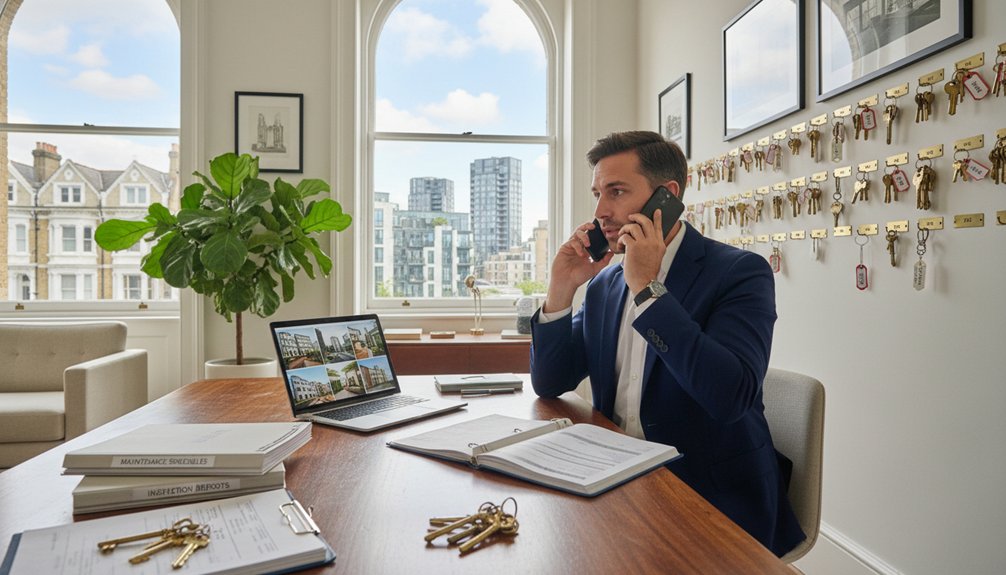
If you own or let a London property, you might picture property management companies as collecting rent and arranging repairs. In practice, you’ll rely on a team to balance tenant communication, inspections, compliance, and urgent decisions, often while protecting original features in listed or period buildings. Each day brings practical checks, careful record-keeping, and coordination with conservation-aware contractors. The details matter, especially when a routine issue could affect safety, value, or heritage.
Key Takeaways
- Inspect properties regularly, identifying defects, safety hazards, maintenance needs, and heritage concerns before problems become costly.
- Handle tenant enquiries, maintenance requests, rent updates, disputes, inspections, notices, and communication with landlords and residents.
- Arrange and supervise contractors, verify completed work, compare invoices, and ensure repairs meet conservation and quality standards.
- Respond to emergencies by securing unsafe areas, coordinating contractors, insurers, and emergency services, and documenting decisions and costs.
- Manage compliance records, including gas, electrical, fire-safety, alarm, and energy certificates, while protecting listed-building features and legal obligations.
How London Property Managers Start Each Day

Before the day’s calls begin, London property managers review overnight reports, urgent maintenance requests, and tenant messages, then inspect the condition of their portfolios. You’ll compare these notes with scheduled inspections, compliance dates, and conservation requirements for listed buildings.
You’ll check whether yesterday’s contractors completed work without disturbing original joinery, cornices, stonework, or historic glazing. Next, you’ll confirm access arrangements, review occupancy records, and update priorities across Georgian terraces, Victorian conversions, and modern blocks.
During Property onboarding, you’ll verify inventories, gather essential documents, and record each home’s heritage features before responsibility transfers.
Careful tenant screening supports stable occupancy and protects properties from avoidable risk. You’ll also examine budgets, insurance conditions, and planned preventive maintenance, ensuring every decision respects both statutory duties and London’s architectural character.
How Property Managers Handle Tenant Requests
You’ll log each maintenance request, assess its urgency, and protect the property’s heritage features while arranging suitable repairs.
You’ll also listen carefully to tenant concerns, document the details, and respond with clear, timely solutions.
This balanced approach keeps residents supported while preserving London’s characterful buildings.
Handling Maintenance Requests
When a tenant reports a maintenance issue, London property managers assess its urgency, record the details, and arrange the right response without compromising the building’s historic character.
You’ll see prompt tenant communication, with clear instructions, appointment options, and updates throughout the process.
Managers triage leaking pipes, electrical faults, heating failures, and security risks first, drawing on emergency preparedness plans to protect occupants and fabric.
For routine repairs, they inspect photographs or attend the property before selecting a suitably qualified contractor.
In listed buildings, they’ll specify sympathetic materials, reversible methods, and minimal intervention, often consulting conservation guidance before work begins.
They also coordinate access, protect cornices, panelling, and original flooring, then document completed repairs.
This careful record supports warranties, compliance, and future maintenance planning.
Resolving Tenant Concerns
Property managers handle tenant concerns by listening carefully, clarifying the issue, and agreeing on practical next steps while respecting the building’s historic character.
When you contact them, they log the details, check your tenancy terms, and review relevant maintenance records before responding.
Clear tenant communication helps distinguish urgent safety matters from routine requests, while preserving original features wherever possible.
Managers may coordinate discreet inspections, consult conservation specialists, or explain why listed-building controls affect proposed alterations.
If neighbours disagree over noise, access, or shared repairs, they encourage calm discussion and document each decision.
Their conflict resolution approach remains fair, consistent, and sensitive to everyone’s responsibilities.
You’ll usually receive a timescale, progress updates, and confirmation when the matter closes.
That careful follow-through protects relationships, the property, and its architectural character.
How London Property Managers Coordinate Repairs
You’ll handle repair requests promptly, recording each detail to protect your London property’s historic fabric.
You’ll book trusted contractors who understand conservation requirements and appropriate materials.
You’ll monitor progress closely, checking that every repair meets the agreed standard and preserves the building’s character.
Handling Repair Requests
How do London property managers keep repairs moving without compromising a building’s historic character? They start with clear Tenant communication, logging each report, checking its urgency, and confirming access arrangements. You’ll receive practical updates, while managers distinguish a leaking roof from a sticking sash window and assess potential damage to plaster, joinery, or period finishes.
They’ll review maintenance records, lease responsibilities, and conservation requirements before approving an appropriate response. For listed homes, they’ll flag work that may need consent and protect original materials wherever possible.
Emergency preparedness also matters: managers maintain response procedures for flooding, loss of heat, electrical faults, and security risks, ensuring residents know whom to contact and what to do first.
After inspection, they document findings, set priorities, and monitor progress, keeping you informed until the issue is safely resolved and properly recorded.
Booking Trusted Contractors
Once a repair has been assessed, London property managers appoint contractors with the right skills, insurance, and experience in historic buildings. You’ll see them verify public liability cover, trade qualifications, references, and familiarity with listed-building consents before confirming an appointment.
They’ll seek quotations that separate labour, materials, access equipment, and VAT, helping you understand the proposed cost without compromising conservation standards. For a Georgian sash window, for example, they’ll favour careful timber repair and matching putty over unnecessary replacement.
Managers also coordinate access with occupants, explaining arrival arrangements and protecting privacy. Their knowledge extends beyond Tenant screening and Lease negotiations: they maintain dependable networks of roofers, plumbers, electricians, and specialist restorers.
Monitoring Work Progress
After the contractor starts, London property managers track each stage against the agreed scope, programme, and conservation requirements. You’ll receive updates on property progress, including photographs, completed tasks, emerging risks, and revised dates.
Managers coordinate trades so scaffolders, roofers, joiners, and decorators don’t obstruct one another or damage historic fabric. They check that repairs follow approved methods, from matching brick and lime mortar to protecting original mouldings, windows, and ironwork.
Through disciplined work tracking, they compare invoices with measured progress and challenge variations before costs escalate. If contractors uncover hidden decay, managers consult you promptly, obtain specialist advice, and confirm whether listed-building or conservation-area permissions affect the solution.
Regular inspections also identify poor workmanship early, allowing corrections before finishes conceal defects and preserving your property’s character, value, and compliance.
How Property Managers Respond to Emergencies
When an emergency threatens a London property, managers act swiftly to protect residents, stabilise the building, and preserve its historic fabric. You’ll receive clear emergency communication explaining immediate hazards, access restrictions, and practical steps to take.
Managers contact approved contractors, insurers, emergency services, and conservation advisers, coordinating responses without compromising listed features or original materials. Their crisis management focuses on containment: isolating leaks, securing unsafe areas, arranging temporary services, and preventing secondary damage from fire, flooding, storms, or structural failure.
They’ll document decisions, costs, and repairs for insurers and, where necessary, the local planning authority. You can expect regular updates until the immediate danger passes.
Managers also help residents access temporary accommodation, maintain essential utilities, and organise sensitive remedial work that respects the building’s character and statutory obligations.
How Property Managers Carry Out Inspections

During scheduled inspections, property managers examine London buildings systematically, looking beyond visible wear to identify risks to residents, services, and historic fabric. You’ll find them checking roofs, gutters, masonry, windows, damp patterns, plant rooms, fire doors, alarms, and communal lighting.
In listed or period properties, they’ll distinguish genuine deterioration from patina and recommend repairs that respect original materials, detailing, and conservation requirements. They’ll also test access arrangements, note unauthorised alterations, and confirm that contractors have completed work safely.
Safety protocols guide every visit, from notifying occupants to using appropriate protective equipment and recording hazards without disturbing fragile features. Routine documentation includes dated photographs, meter readings, defect descriptions, and prioritised actions.
You’ll receive clear maintenance recommendations, helping you address minor faults early and preserve the building’s character, compliance, and long-term performance.
How London Property Managers Manage Rent
Managing rent in London’s period properties involves more than collecting payments: property managers set accurate rents, issue compliant notices, monitor due dates, and maintain clear records for landlords and tenants.
You’ll see them compare local market evidence while considering a listed building’s condition, layout, access, and carefully preserved features.
During Tenant screening, they assess affordability and references, helping reduce arrears without overlooking the character of a suitable home.
They also support Lease negotiations, clarifying rent, review dates, deposit arrangements, and responsibilities before signatures.
Each month, you’ll receive payment updates, promptly followed by polite reminders when necessary.
Managers reconcile statements, track authorised deductions, and explain variances clearly.
Their organised approach protects cash flow while respecting the practical realities of maintaining sash windows, cornicing, stonework, and other heritage details within your property.
How Property Managers Handle Compliance
Accurate rent records are only part of responsible property management; compliance safeguards your London period property, its occupants, and your investment. Your property manager tracks certificates, inspections, and renewal dates for gas safety, electrical installations, fire precautions, alarms, and energy performance.
They arrange qualified contractors, retain clear evidence, and act promptly when a fault threatens safety or breaches Legal compliance. In a listed or conservation-area home, they’ll also distinguish essential repairs from alterations requiring consent, protecting original joinery, plasterwork, facades, and historic fixtures.
They monitor Regulatory updates from councils and national authorities, then adjust procedures before requirements become urgent. You’ll benefit from organised records and timely action, while your manager coordinates access respectfully and documents every visit.
That careful oversight helps preserve heritage without compromising modern standards.
What Landlords Should Expect From the Service

A dependable property management service should give you clear communication, proactive maintenance, and well-documented decisions tailored to your London period property. You should receive concise updates on rent, repairs, inspections, and compliance, with urgent issues escalated promptly rather than buried in a report.
Expect careful Tenant screening that considers affordability, references, and respect for a listed building’s character. During lease negotiations, your manager should protect your interests while setting practical terms for access, repairs, alterations, and permitted use.
You should also see transparent accounts, itemised invoices, and an audit trail for every significant decision.
Maintenance should preserve original features, from sash windows to cornices, using suitable materials and conservation-aware contractors.
Above all, the service should reduce your workload without reducing your control, giving you informed choices and dependable oversight every day.
Conclusion
Day-to-day property management may look routine, but London buildings rarely are. Behind each rent update, repair call, and safety certificate lies a careful balance: modern compliance alongside historic character, swift action alongside considered conservation. Your property manager should keep tenants heard, contractors coordinated, records precise, and emergencies controlled—without losing sight of the building’s story. Choose a service that treats every inspection as both a practical duty and an investment in your property’s future.