Is living in Greenwich really as practical for everyday life as its heritage suggests? You’ll find Georgian and Victorian homes, modern apartments, respected schools, and reliable links into central London, but each neighbourhood offers a different balance of price, space, character, and convenience. From conservation-area restrictions to river connections and school catchments, the details matter—and one overlooked factor could shape your decision more than expected.
Key Takeaways
- Greenwich combines historic Georgian and Victorian architecture, the Thames, Greenwich Park, and a lively community atmosphere.
- Housing ranges from period cottages and Victorian terraces to modern riverside apartments across Greenwich’s distinct neighbourhoods.
- Property costs reflect location, views, gardens, conservation restrictions, service charges, lease terms, and renovation requirements.
- Schools include respected state, selective grammar, independent, and sixth-form options, with catchments and admissions requiring careful research.
- Rail, DLR, river services, and road links connect Greenwich with central London, Canary Wharf, Bank, Stratford, and Kent.
Why Choose Living in Greenwich?
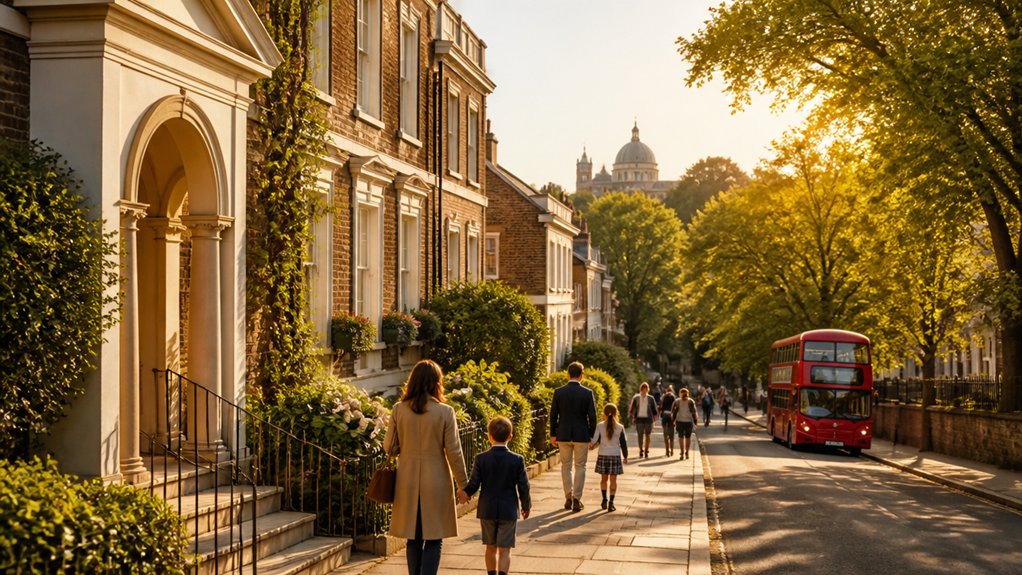
Living in Greenwich offers a rare blend of heritage and everyday practicality, with elegant Georgian and Victorian streets, the River Thames, and Greenwich Park shaping the area’s distinctive character.
You’ll find historical landmarks at the heart of daily life, from the Old Royal Naval College and Queen’s House to the Royal Observatory, where Britain’s maritime and scientific story remains tangible.
The borough also gives you useful local amenities, including independent shops, supermarkets, cafés, markets, libraries, and riverside restaurants.
Greenwich Park provides space for walking, exercise, and family time, while the Thames Path adds a scenic route through the area.
You’ll benefit from a strong cultural offer, attractive public spaces, and a well-established community atmosphere, making Greenwich a practical choice for people who value character, convenience, and heritage.
Which Greenwich Neighbourhood Suits You?
You’ll find distinct character across Greenwich Town Centre, West Greenwich Village, and East Greenwich Peninsula. Choose the town centre for heritage landmarks and everyday convenience.
The village for leafy streets and period homes, or the Peninsula for modern apartments and riverside connectivity. Consider your preferred architecture, amenities, schools, and commute before deciding which neighbourhood suits you.
Greenwich Town Centre
Where heritage, waterfront walks and everyday convenience meet, Greenwich Town Centre gives you the borough’s most recognisable address.
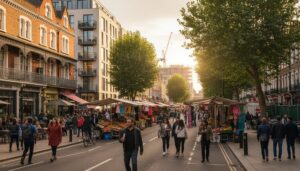
You can explore Historic landmarks including the UNESCO-listed Old Royal Naval College, the Queen’s House and the Royal Observatory, then browse Greenwich Market for food, crafts and useful everyday finds.
The National Maritime Museum adds depth to the area’s seafaring story, while the riverside path and nearby Cutty Sark provide memorable waterfront attractions.
You’ll find cafés, pubs, pharmacies and supermarkets within easy reach, making daily errands straightforward.
Greenwich and Cutty Sark stations connect you with central London, the Docklands and beyond, while river services offer an alternative commute.
Expect busy weekends, tourist footfall and period properties, but choose a quieter side street and you’ll retain convenience without sacrificing character.
West Greenwich Village
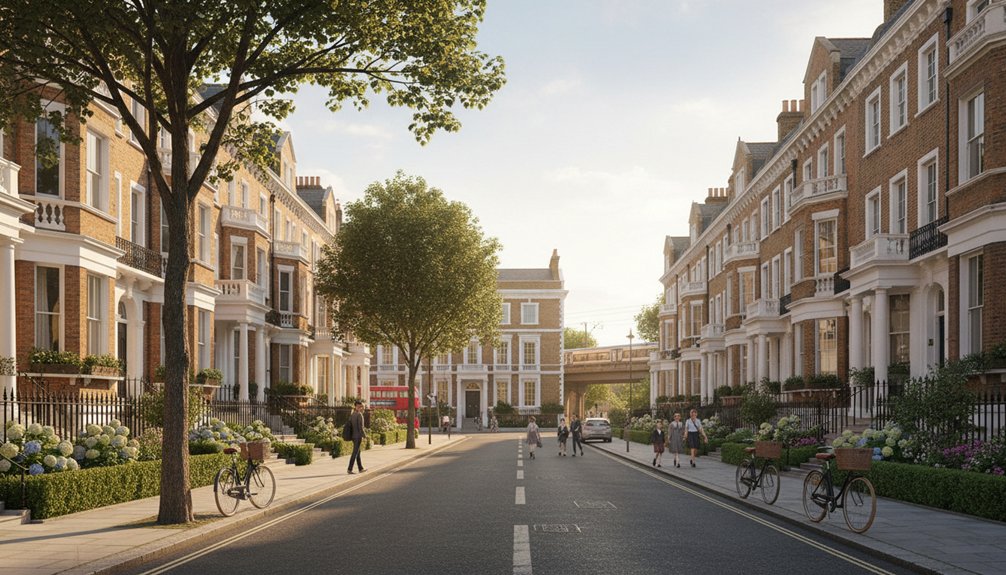
Just west of Greenwich Town Centre, West Greenwich Village offers period charm with a calmer, more residential feel. You’ll find Victorian terraces, handsome brick façades and converted cottages along leafy streets, with original fireplaces and sash windows still appearing in many homes. Check conservation restrictions, parking arrangements and renovation costs before committing, as heritage details can affect your budget and plans.
You’re close to Greenwich Park, Blackheath Standard and the village’s independent shops, making everyday errands pleasantly walkable. Cafés, bakeries and restaurants provide varied local cuisine, while nearby pubs add a sociable, traditional atmosphere.
Families benefit from reputable primary schools and practical bus links towards central Greenwich and Lewisham. Choose this neighbourhood if you value architectural character, green space and a settled community, but still want convenient access to transport and amenities.
East Greenwich Peninsula
East Greenwich Peninsula suits buyers seeking a newer, well-connected setting beside the Thames, rather than traditional period architecture. You’ll find contemporary apartments, landscaped courtyards and striking regeneration schemes, with many homes offering River views.
The area’s industrial heritage remains visible in former riverside infrastructure, while new public spaces, cafés and cultural venues create an evolving identity.
You can reach central London quickly from North Greenwich Underground station, with Jubilee line services, local buses and the Emirates Air Line nearby. The O2 brings concerts, dining and entertainment, and an emerging Artistic scene adds galleries, installations and events.
Families should check individual catchment areas and school journeys, as provision differs across the peninsula. Choose East Greenwich Peninsula if you value modern amenities, waterfront walks and connectivity over village lanes and period detail.
What Homes Cost in Greenwich?
Greenwich home prices reflect the borough’s heritage, sought-after schools, and strong transport links, with period cottages, Victorian terraces, and contemporary apartments commanding different premiums.
In the real estate market, you’ll generally pay more for conservation-area character, river views, generous gardens, and walkable access to Greenwich town centre. Victorian terraces often offer adaptable layouts, while newer flats may provide lifts, balconies, and residents’ facilities, but service charges affect your budget.
Compare recent sold prices rather than relying solely on asking figures, and check lease length, ground rent, renovation needs, and council tax.
Property affordability varies sharply between the Peninsula, West Greenwich, Blackheath borders, and Charlton edges.
Before you offer, secure a mortgage decision, commission a survey, and factor stamp duty, maintenance, and potential heritage restrictions into your calculations.
Which Schools Stand Out in Greenwich?
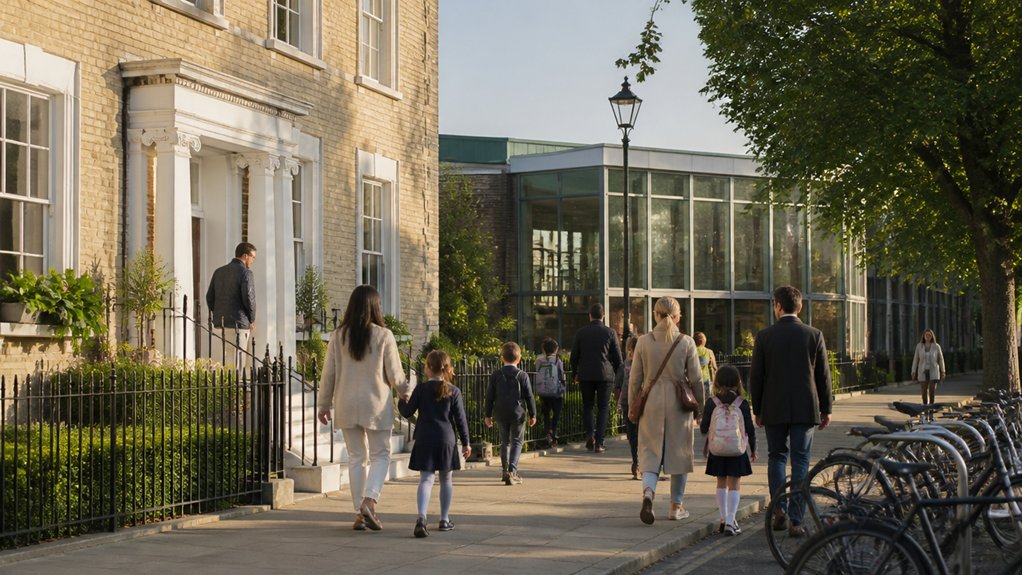
Whether you’re choosing a family home or planning a move, Greenwich offers a strong mix of respected state schools, selective options, and independent education. You’ll find established institutions serving communities around Blackheath, Greenwich Park, and Eltham, with characterful buildings and long local histories.
Compare Ofsted reports, GCSE results, admissions criteria, and school rankings rather than relying on reputation alone. Selective grammar education may appeal if your child performs well in entrance assessments, while independent schools can offer smaller classes and broader resources.
Look closely at sixth-form pathways, pastoral care, SEND provision, and extracurricular activities, including music, sport, drama, and societies. Visit during an open day, review catchment boundaries, and ask about waiting lists.
Your preferred school could influence both daily routines and your choice of neighbourhood.
How Well Connected Is Greenwich?
You’ll find Greenwich well connected, with its historic riverside setting complemented by practical transport links. Rail, DLR, river services and buses connect you to central London and beyond.
While key roads support journeys by car. In the sections ahead, you’ll see how these road and rail options shape everyday living.
Excellent Transport Links
With its historic riverfront, well-connected rail and Tube services, Greenwich makes it easy to reach central London and beyond. You can use Southeastern trains from Greenwich station for frequent journeys towards London Bridge, Cannon Street and other central destinations.
The DLR adds convenient connections from Cutty Sark and Greenwich, linking you with Canary Wharf, Bank and the wider Docklands. You’ll also find river services offering a memorable alternative, with views of the Thames, the Old Royal Naval College and historic waterfront buildings along the way.
Public transport makes daily commuting practical, while buses fill local gaps and serve neighbouring areas. If you prefer two wheels, Greenwich’s cycling infrastructure supports shorter journeys, although you should check routes before setting out.
You can enjoy heritage and modern convenience together.
Road And Rail Access
Greenwich offers practical road and rail access, combining historic routes with reliable links into central London and beyond. You can reach London Bridge quickly from Greenwich station, while Southeastern services connect you with Cannon Street, Dartford and Kent.
DLR trains from Cutty Sark and Greenwich provide direct access to Canary Wharf, Bank and Stratford, making commuting straightforward. Check rail frequency before travelling, as engineering works and peak-time demand can affect journey times.
By road, the A2, A20 and Blackwall Tunnel routes place you within easy reach of southeast London, Kent and Essex. However, traffic congestion can build around the A2, Woolwich Road and tunnel approaches, particularly during weekday peaks.
You’ll benefit from planning journeys early, using live updates and considering river services when roads become busy.
What Is Daily Life Like in Greenwich?
Daily life in Greenwich balances village familiarity with the convenience of a well-connected London district. You can start mornings with coffee near the historic Market, then walk past Georgian terraces towards the Royal Park and Observatory. Independent shops, galleries, and local dining give the centre character, while the riverside adds space to slow down.
Outdoor activities fit naturally into your routine. You can join runners on the park’s paths, row or kayak on the Thames, or explore the Green Chain walks beyond the centre. Families benefit from playgrounds, libraries, and community events, while residents enjoy theatres, museums, and seasonal markets throughout the year.
Evenings feel sociable without losing their neighbourhood scale. You’ll find practical amenities close by, though busy weekends can bring crowds around the main attractions and market.
Conclusion
Whether you’re drawn to riverside views, period terraces or contemporary apartments, living in Greenwich gives you character, community and convenience. You can choose a historic lane, a family-friendly neighbourhood or a well-connected modern development; compare schools, weigh heritage restrictions and plan your commute. With trains, the DLR, river services and the A2 nearby, you’ll find London within reach without losing local charm. Explore carefully, choose confidently and make Greenwich your own.