
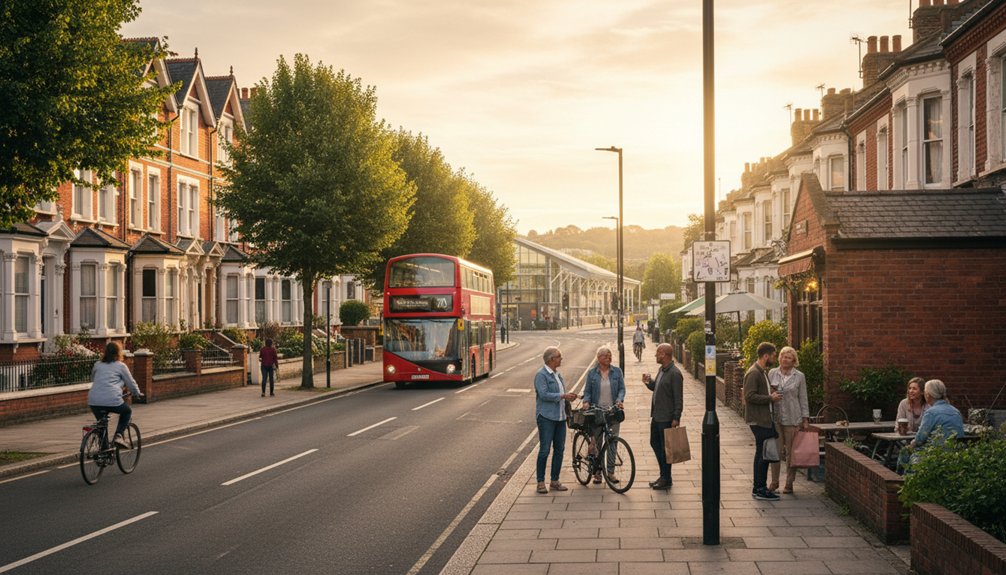
Is Barnet really as well-connected and good value as its reputation suggests? You’ll find fast Northern Line and rail links, varied housing stock, and clear renovation potential, but the best choice depends on your priorities and budget. From High Barnet’s commuter appeal to its independent shops, markets, green spaces, and community events, the area offers more than convenience—although one factor could shape your decision more than expected.
Key Takeaways
- Barnet combines leafy neighbourhoods, strong community spirit, independent businesses, cultural diversity, and abundant parks.
- Northern line stations, rail services, buses, and major roads provide convenient connections, although peak-time traffic can cause delays.
- Housing ranges from period terraces and family homes to modern apartments and renovation opportunities, with prices varying by location and condition.
- Proximity to transport, schools, green spaces, amenities, and property condition strongly influences values, rental demand, and resale prospects.
- Families benefit from diverse schools, recreational facilities, welcoming neighbourhoods, and community events, but should investigate catchment areas and admissions criteria.
Why Do People Choose Barnet?

Barnet appeals to people who want more space, strong community connections, and practical access to London without giving up the option to improve their home. You’ll find period terraces, semidetached houses, and newer apartments, giving you varied entry points and renovation potential.
A loft conversion, rear extension, or energy upgrade can add comfort and strengthen resale appeal, provided you check planning constraints and local demand.
Beyond property, Barnet offers a settled lifestyle with parks, independent shops, schools, and active high streets. Its local history gives neighbourhoods character, while cultural festivals and community events create regular opportunities to meet people.
You’ll also benefit from practical amenities nearby, so daily life feels convenient without becoming anonymous. For buyers seeking value, flexibility, and a genuine community, Barnet offers a compelling base.
How Easy Is It to Commute From Barnet?
You’ll find Barnet well connected, with Tube and rail links making commutes into central London straightforward. Reliable bus routes and key roads add flexibility for work, school, and local errands.
When planning a renovation or comparing property values, consider how each connection could strengthen your home’s appeal to future buyers and the wider community.
Tube And Rail Links
With Northern line stations at High Barnet and Totteridge & Whetstone, plus fast rail connections from New Barnet, commuting from the area is pleasantly straightforward.
You’ll reach central London without a complicated journey, making Barnet attractive to professionals and reassuring for future buyers.
Tube accessibility varies by street, so check walking times before you commit to a property; homes nearer High Barnet Underground often command a premium, while renovation opportunities farther out may offer better value.
Rail frequency at New Barnet supports flexible travel, with services towards King’s Cross and beyond helping you protect your weekday routine.
That connectivity can strengthen resale prospects, particularly when you modernise an older house thoughtfully.
You’ll also find a strong local community around these stations, with shops, cafés and schools supporting everyday convenience.
Road And Bus Connections
How easy is it to commute by road or bus from Barnet? You’ll find strong road access through the A1, M25 and North Circular, helping you reach central London, retail parks and employment hubs.
However, traffic congestion can slow peak-hour journeys, especially around the A1 and major town-centre junctions, so test your likely route before buying or renovating.
Local buses connect Barnet’s neighbourhoods with Finchley, Edgware, Enfield and nearby stations. Check bus schedules carefully, as frequency and evening coverage vary by route.
A well-positioned home near reliable stops can improve daily convenience and strengthen resale appeal.
If you’re upgrading a property, consider secure cycle storage, efficient glazing and a quiet home office to offset commuting noise.
You’ll also benefit from an active community network that makes sharing lifts and local travel tips easier.
Which Barnet Neighbourhood Suits You?
Choosing the right Barnet neighbourhood depends on whether you want family-friendly streets, commuter convenience, or vibrant community hubs.
You’ll find renovation potential and strong local amenities across each option, supporting both lifestyle and resale value.
Next, compare each area’s homes, transport links, schools, and community character.
Family-Friendly Areas
Which Barnet neighbourhood suits your family best depends on the balance you want between space, schools, transport and renovation potential. Mill Hill and Totteridge offer larger gardens, quieter streets and houses with scope to extend, although purchase prices reflect that appeal.
Whetstone and East Barnet provide a more varied market, from period terraces needing modernisation to move-in-ready family homes.
If you prioritise playground safety, inspect traffic levels, pavements and nearby green spaces at different times of day. Look for active residents’ groups, libraries, sports clubs and regular family activities, as these build community beyond the property.
When viewing, assess storage, garden orientation, loft-conversion potential and local planning constraints. A less polished home in a settled neighbourhood could deliver better long-term value than an expensive, fully renovated alternative.
Best Spots for Commuters
For commuters, Barnet’s best fit depends on where you work and how much time you’ll accept changing trains. If you need direct Northern line access, consider High Barnet, Totteridge & Whetstone, or West Finchley, where you can protect travel time efficiency on journeys towards central London.
Mill Hill East offers a quieter, value-conscious alternative, while New Barnet gives you National Rail connections and scope to add value through a considered kitchen upgrade or loft conversion.
Hendon suits Thameslink users heading north or south, although you’ll want to compare fares and peak schedules carefully.
Before buying, walk the route from each property, test evening return times, and check parking pressure.
Strong transport links support commuter convenience and resale appeal, but renovation costs, service charges, and station distance should shape your offer and budget.
Vibrant Community Hubs
Where you settle in Barnet can shape your daily routine, renovation potential, and sense of belonging. For a lively neighbourhood, consider Whetstone, North Finchley, or Barnet Village, where local markets, independent shops, cafés, and community events create regular opportunities to meet neighbours. These hubs can support resale appeal, particularly when buyers value walkability and a strong local identity.
If you’re renovating, assess conservation controls, parking, garden access, and the condition of older terraces before making an offer. East Barnet offers a more relaxed village atmosphere, while Mill Hill combines green space with useful amenities and family appeal.
Visit at different times, speak with traders, and check planned developments. You’ll then judge whether a character property, modern flat, or larger family house best matches your budget and lifestyle.
What Does Property Cost in Barnet?
What can you expect to pay for a home in Barnet? Prices vary sharply by property type, size and pocket. You’ll usually pay more for a polished family house near sought-after schools, green space and reliable transport, while flats and homes needing work can offer lower entry points.
Terraced houses, converted apartments and modern developments each attract different budgets, so compare recent local listings before deciding.
For buyers, renovation can reshape the finances. A dated kitchen, tired bathroom or poor layout may create scope to add value, but you’ll need accurate surveys, builder quotes and contingency funds.
Consider lease length, service charges and potential planning restrictions before committing.
If you’re exploring property investment, study achievable rents and demand from local households. Rental affordability matters too: your target tenants need homes they can comfortably sustain, not merely spaces that look attractive.
Does Barnet Offer Good Property Value?
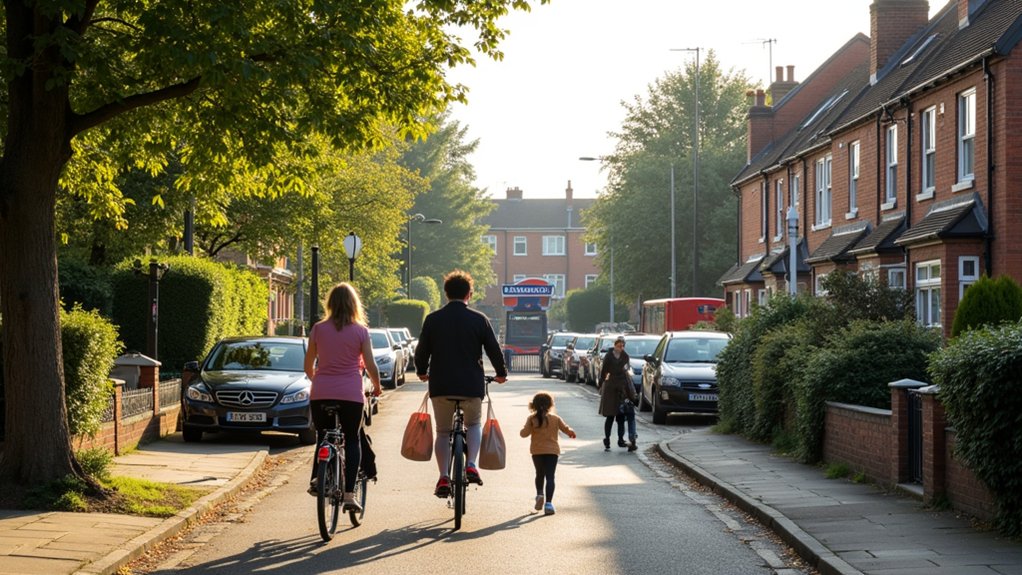
Value in Barnet depends on more than the asking price. You’ll want to compare commute convenience, council tax, running costs and the condition of each property.
A dated house may look expensive initially, yet offer scope to add value through a loft conversion, rear extension, insulation or a smarter layout. Conversely, a fully renovated home can command a premium that leaves little room for future growth.
Barnet’s varied housing stock gives you choices, from flats and terraces to larger family homes. That range supports housing affordability, particularly when you consider less central pockets and properties needing improvement.
Strong schools, green spaces, reliable transport and established neighbourhood networks can underpin property appreciation over time.
Before you commit, commission a survey, research local sales and price renovation work realistically. If the numbers still work after upgrades and contingencies, Barnet can offer compelling value.
Where Can You Eat, Shop and Go Out?
Barnet gives you plenty of choice for eating, shopping and evenings out, from independent cafés and restaurants around High Barnet and Whetstone to everyday retailers, local markets and larger shopping centres nearby.
You can explore local cuisine, compare cafés before meeting friends, or choose practical takeaways for busy renovation days.
The area’s shopping districts combine high-street essentials with specialist stores, so you’ll find fixtures, furnishings and services without always travelling into central London.
Brent Cross offers a broader retail and leisure mix, while neighbourhood businesses help keep spending within the community.
As new cafés, bars and restaurants appear, they can strengthen local demand and support property appeal.
You’ll also find pubs and casual venues suited to relaxed evenings, giving you plenty of options close to home.
Which Green Spaces Can You Enjoy?
After eating, shopping or meeting friends, you can enjoy Barnet’s generous choice of green spaces. From leafy walks at Monken Hadley Common to the broad paths of Oak Hill Park, you’ll find room to exercise, unwind and meet neighbours. Wildflower meadows and mature trees add seasonal colour, while playgrounds, sports areas and cafés make outings practical.
Urban parks also strengthen everyday appeal for homeowners and buyers. A nearby park can support resale value, especially when you’re renovating a garden or updating a period property for modern life. Check local plans, maintenance standards and community events before committing, as well-managed spaces tend to benefit surrounding streets.
You can join litter picks, gardening groups or weekend activities, helping protect the character that makes Barnet feel established yet welcoming. Short walks, greener views and active community life can make your renovation investment feel even more rewarding.
Are Barnet’s Schools Family-Friendly?

How well do local schools support family life? In Barnet, you’ll find a broad mix of primary and secondary schools, from established state options to independent settings. Check recent inspection reports, admissions criteria and catchment boundaries before you commit to a purchase, as school demand can influence resale appeal and renovation potential.
Visit during the day to assess school facilities, classroom condition, outdoor space and accessibility. Ask how each school supports working parents through breakfast clubs, wraparound care and clear communication.
You’ll also want to explore extracurricular activities, including sport, music, drama and community projects, which can help children build friendships locally. Speak with parents at community events for practical insight beyond league tables.
A well-matched school can strengthen your daily routine while supporting long-term confidence in Barnet’s property market.
Is Barnet the Right Place for You?
Is Barnet the right place for you? If you want London connectivity without central-London pricing, it could be a smart fit. You’ll find leafy streets, varied housing stock and resale appeal, but value depends heavily on the neighbourhood, transport links and a property’s renovation potential.
For buyers, period terraces and tired semis can offer scope to add insulation, reconfigure layouts or extend, provided you budget for planning constraints and rising build costs.
Renting first can help you compare areas such as High Barnet, Whetstone and East Barnet before committing.
Community life adds genuine appeal. Local festivals, independent businesses and parks create regular opportunities to meet neighbours, while Cultural diversity shapes the area’s food, faith and social scene.
If you value practical amenities and community spirit, Barnet deserves serious consideration.
Frequently Asked Questions
What Healthcare Facilities and GP Services Are Available in Barnet?
You’ll find healthcare access through Barnet Hospital, Royal Free services, pharmacies, dentists, and community clinics. GP availability varies by neighbourhood, so register early, compare practice reviews, and check renovation plans near convenient, well-connected surgeries.
How Safe Is Barnet for Residents and Visitors?
You’ll find Barnet generally welcoming, though every neighbourhood has occasional bumps. Prioritise Neighborhood safety: use lit routes, secure entrances, and follow local Crime prevention advice. Choose community-minded areas, then renovate confidently while staying alert and connected.
What Council Tax Bands and Local Charges Apply in Barnet?
You’ll pay Barnet council tax across Bands A–H, based on your home’s 1991 valuation. Check Council tax classifications, including Local charge exemptions, and budget for waste, parking, permits, and renovation-related planning fees.
Are There Community Groups and Activities for New Residents?
You’ll find community groups and activities for new residents; newcomer events test the theory that friendly introductions accelerate neighborhood integration. Join residents’ associations, sports clubs, libraries, or volunteering projects while exploring renovation-minded local initiatives and connections.
How Does Barnet Manage Recycling, Waste Collection and Sustainability?
You’ll find regular household collections, food-waste services, and Recycling initiatives supporting cleaner streets. Waste reduction programs encourage reuse and composting, while residents can visit recycling centres and join community sustainability projects during renovations.
Conclusion
Barnet gives you a practical balance: fast Northern Line and rail connections, family-friendly neighbourhoods, green space, and an active local scene. For perspective, London’s Northern Line serves 52 stations, helping explain Barnet’s enduring commuter appeal. You’ll find the best value where homes need thoughtful updating, provided you budget carefully for works. Explore each pocket, compare transport times, and assess schools, shops, and community life. If you want renovation potential without sacrificing connectivity, Barnet deserves serious consideration.