
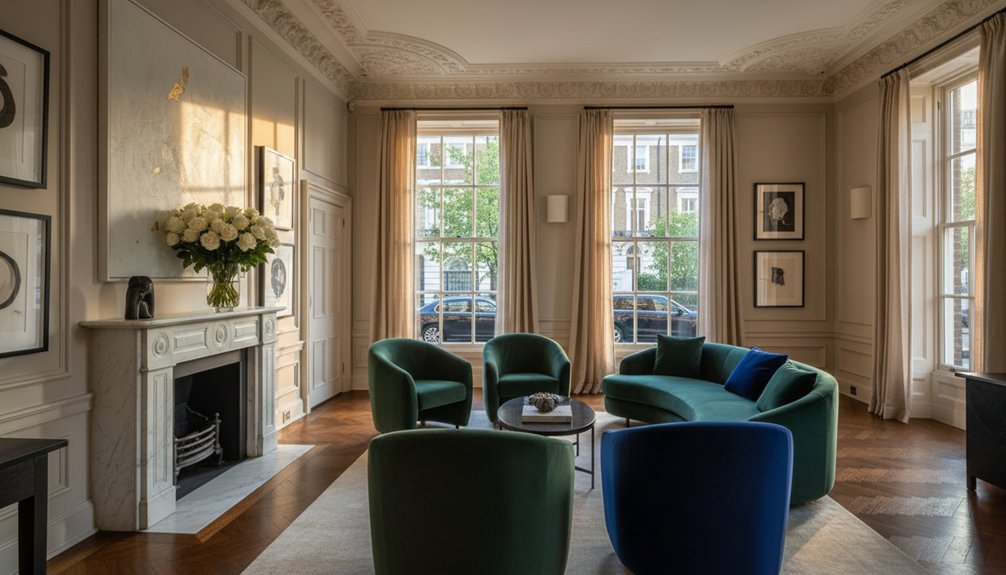
Mayfair’s greatest luxury may be its scarcity: you’re buying into a tightly held address where heritage façades, discreet streets, and five-star amenities support long-term value. Whether you’re considering a turnkey apartment, a period home with renovation potential, or a pied-à-terre near Bond Street, you’ll need to weigh pricing, design quality, rental demand, and future market resilience. The right opportunity often depends on details most listings leave unexplained.
Key Takeaways
- Mayfair offers heritage architecture, luxury retail, galleries, fine dining, private clubs, and cultural institutions within a highly walkable setting.
- Prime locations include Grosvenor Square, Park Lane, Shepherd Market, and Bond Street, each suiting different lifestyles and investment strategies.
- Buyers should assess lease length, service charges, planning restrictions, refurbishment costs, energy performance, and resale potential.
- Demand remains strongest for turnkey apartments, lateral layouts, restored period homes, and residences combining original character with modern amenities.
- Investment generally prioritises capital preservation and dependable tenant demand, with careful renovation planning essential because rental yields are modest.
Why Is Mayfair Such a Desirable Address?

Mayfair remains one of London’s most desirable addresses because it combines heritage architecture, international prestige, and enduring investment appeal. When you buy here, you’re acquiring more than a home: you’re securing a position within a tightly held prime central London market.
Georgian terraces, elegant mansion blocks, and discreet mews properties offer distinctive renovation opportunities, from restoring period details to introducing contemporary kitchens, energy upgrades, and smart-home systems.
Historical significance strengthens long-term desirability, while Cultural influence keeps the neighbourhood commercially relevant through luxury retail, galleries, restaurants, and hotels.
Limited supply supports pricing resilience, particularly for well-presented residences with lift access, outdoor space, parking, or adaptable layouts.
You should assess lease terms, service charges, planning constraints, and refurbishment costs carefully, then target improvements that enhance liveability and protect resale value over time.
Which Mayfair Areas Suit Different Buyers?
Different parts of Mayfair suit different priorities, so you should match location to lifestyle, renovation potential, and investment strategy. Choose Grosvenor Square or Park Lane if you value refined surroundings, proximity to historical landmarks, and strong international appeal. These addresses typically command premiums, making them suitable for capital preservation and prestigious pied-à-terre ownership.
If you want quieter streets and greater scope to reconfigure a period apartment, explore streets around Shepherd Market. You’ll find character, dining, and potential value uplift through careful renovation, subject to listed-building controls.
Buyers seeking culture and rental liquidity should consider the eastern side near Bond Street, where galleries, boutiques, and cultural festivals support year-round demand.
Before committing, compare service charges, lease terms, refurbishment restrictions, and comparable sales. Your best choice balances daily enjoyment with resale depth, tenant appeal, and realistic renovation costs.
What Features Define Mayfair Luxury Homes?
You’ll recognise Mayfair luxury homes through preserved architectural heritage, from period façades to original detailing that supports long-term value.
Bespoke interior design lets you renovate for distinctive appeal, while exclusive modern amenities strengthen both daily comfort and resale prospects.
Together, these features create a premium property proposition for discerning buyers and investors.
Architectural Heritage
Behind Mayfair’s luxury homes lies a distinctive architectural heritage: Georgian proportions, stucco façades, tall sash windows, ornate cornices, and carefully preserved period detailing.
When you assess a property, look beyond kerb appeal: original layouts, listed features, and authentic materials can support stronger resale value and rental demand.
Historic preservation isn’t merely regulatory; it protects scarcity, which underpins Mayfair’s premium pricing.
You’ll need specialist advice before altering façades, windows, rooflines, or internal structures, particularly within conservation areas.
Understanding architectural styles helps you distinguish genuine Georgian character from later reproductions and price renovation risk accurately.
A carefully planned upgrade should respect the building’s proportions, improve performance discreetly, and satisfy planning requirements.
Bespoke Interior Design
How do Mayfair’s finest homes turn luxury into lasting value? Bespoke interior design gives you a powerful advantage. Start with the property’s proportions, period detailing, and natural light, then commission a scheme that feels individual rather than overly styled.
Skilled designers can restore cornices, panelling, fireplaces, and parquetry while introducing refined finishes that respect the building’s heritage. Choose custom furnishings to fit unusual rooms precisely, improve circulation, and strengthen the home’s visual identity.
Curate art collections with equal care, creating focal points that reflect your taste and enhance perceived quality. Materials such as marble, silk, timber, and hand-finished metal add depth without sacrificing durability.
A coherent, documented renovation can support valuation, attract discerning buyers, and protect resale appeal. You’ll create a residence that feels personal, enduring, and commercially compelling.
Exclusive Modern Amenities
Mayfair’s finest homes pair period character with discreet technology and resort-level comfort, turning modern amenities into tangible value. When you assess a property, look for Smart home technology that controls lighting, climate, security, and shading from one intuitive system. Integrated solutions protect architectural detailing while improving efficiency and everyday convenience.
Your kitchen should match buyers’ expectations, with Gourmet kitchen appliances, concealed extraction, wine storage, and durable stone surfaces that support entertaining without compromising design. Wellness features also matter: specify a private gym, spa-style bathroom, sauna, or plunge pool where space allows.
Underfloor heating, acoustic insulation, lift access, and secure parking strengthen long-term appeal.
During renovation, prioritise reliable infrastructure and professional installation over novelty. These upgrades command a premium, broaden resale demand, and help you justify Mayfair’s exceptional pricing while keeping the home comfortable, efficient, and future-ready.
How Much Does Mayfair Property Cost?
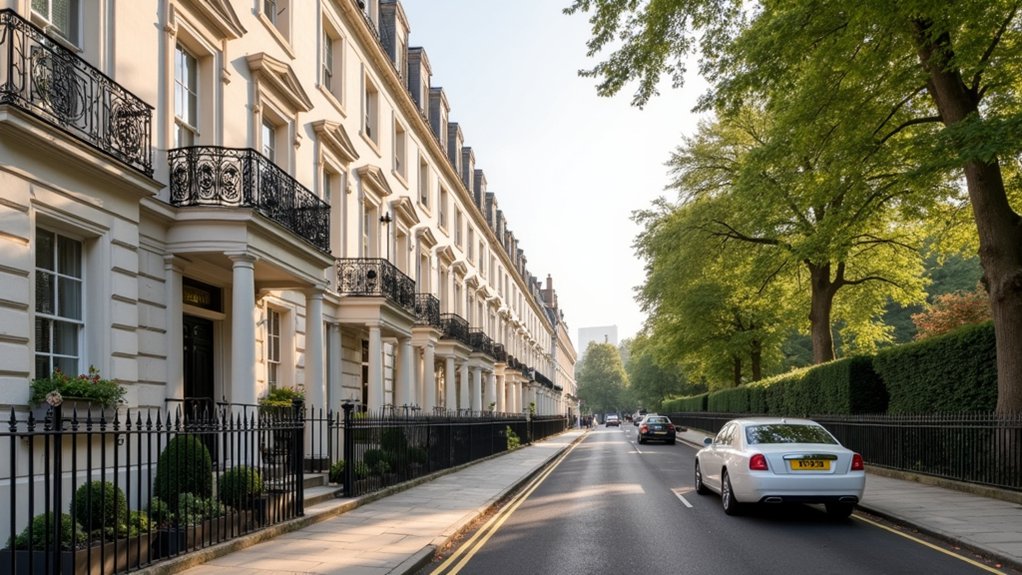
If you’re evaluating the Mayfair property market, expect a significant premium: prime apartments, period townhouses, and turnkey residences often command several million pounds, while fully renovated homes with exceptional addresses can rise far higher.
You’ll typically pay more for generous floorplans, private entrances, terraces, concierge services, and proximity to Green spaces.
Historical architecture can add prestige and value, although listed façades may increase renovation costs, restrict alterations, and extend project timelines.
Before you commit, compare price per square foot, service charges, lease length, and the budget for mechanical, electrical, and interior upgrades.
A well-designed refurbishment can protect resale appeal and rental performance, but overcapitalising remains a risk.
Work with a specialist surveyor and negotiate against realistic comparable sales, not aspirational asking prices, to secure stronger long-term investment potential.
What Is Happening in the Mayfair Property Market?
You’ll find Mayfair’s market shaped by steady luxury demand, selective pricing, and buyers prioritising turnkey homes.
Renovation-ready properties can offer value, especially when you improve layouts, finishes, and energy performance with resale in mind.
As conditions shift, you’ll need to assess rental yields, capital growth prospects, and opportunities to secure a well-located investment.
Current Market Trends
What’s happening in the Mayfair property market? You’re seeing selective pricing rather than a broad boom, with market fluctuations shaped by interest rates, tax policy, and limited prime stock.
Well-presented apartments can still command strong prices, while dated homes increasingly trade on their renovation potential. If you’re buying, assess the building’s condition, service charges, lease terms, and realistic refurbishment costs before negotiating.
A smart redesign—improved layouts, discreet technology, and energy-efficient systems—can protect value and strengthen resale appeal.
Rental yields remain comparatively modest, so you’ll need to prioritise long-term capital preservation, dependable tenant demand, and disciplined financing over headline returns.
Monitor completed transactions, not optimistic asking prices, and compare each opportunity with nearby streets. This approach helps you identify mispricing and invest confidently through changing conditions.
Luxury Property Demand
Why is luxury demand holding firm in Mayfair? Buyers continue to value its discreet streets, landmark architecture, private members’ clubs, and walkable access to Hyde Park and Bond Street.
You’ll find luxury property demand strongest for turnkey apartments, lateral layouts, and carefully restored period homes that combine character with modern services. Limited supply supports pricing resilience, although discerning purchasers now scrutinise service charges, energy performance, lease terms, and renovation potential more closely.
Market growth thus appears selective rather than speculative: exceptional homes attract attention, while dated properties need realistic pricing and a clear refurbishment strategy. If you’re evaluating a Mayfair address, compare recent, like-for-like transactions and model upgrade costs before committing.
Quality, scarcity, and execution increasingly determine how confidently a property performs in this competitive segment. Local expertise helps you interpret shifting buyer expectations.
Investment Opportunities
Mayfair presents a selective investment opportunity, with the strongest prospects often found in well-located properties that need thoughtful renovation rather than turnkey homes priced at a premium. You’ll need to assess lease length, service charges, planning constraints, and resale appeal before committing capital.
Historical estates can offer exceptional character and scarcity, but listed-building rules may increase costs and extend programmes. Focus on layouts, natural light, energy performance, and discreet modernisation that protects original detailing while improving livability.
Green spaces, including Berkeley Square and Hyde Park, continue to support rental demand and long-term desirability. You’ll strengthen returns by negotiating intelligently, budgeting contingencies, and targeting buildings with credible management.
Although prime prices can fluctuate, limited supply and global demand may cushion well-executed investments through changing market conditions and financing costs.
How Does Mayfair Lifestyle Shape Property Appeal?
When your property sits within Mayfair’s polished lifestyle ecosystem, its appeal extends beyond square footage to include walkable fine dining, culture, luxury retail, and discreet five-star services. You’re buying into convenience and status, while the Mayfair social scene creates daily opportunities for dining, networking, and entertainment.
Cultural influences, from galleries and auction houses to historic architecture, give each address a distinctive identity that supports enduring demand.
To strengthen that appeal, you can prioritise renovations that reflect how residents live: refined kitchens, adaptable reception rooms, acoustic insulation, smart-home systems, and hotel-style bathrooms. Period details should remain visible, but modern services must feel seamless.
These upgrades can protect your home’s competitive position, improve its rental or resale presentation, and help justify a premium without compromising Mayfair’s character or sense of discretion.
How Should Buyers and Investors Approach Mayfair Property?
Once you’ve understood how Mayfair’s lifestyle supports property appeal, you should approach a purchase with equal attention to location, condition, and long-term performance. Assess each street’s neighborhood safety, transport links, local dining, and proximity to offices, galleries, and parks.
Then inspect the building carefully: listed status, service charges, lease length, structural work, and renovation restrictions can materially affect your budget and returns. Model acquisition costs, financing, refurbishment, and potential rental income before you make an offer.
Prioritise layouts that suit today’s luxury tenants, including efficient kitchens, discreet storage, natural light, and adaptable bedrooms. If you’re renovating, protect original details while upgrading services and energy performance.
Compare recent, genuinely comparable sales rather than relying on asking prices. Finally, use specialist legal, surveying, and property advice to negotiate confidently and manage risk.
Frequently Asked Questions
What Transport Links Serve Mayfair and Connect It to the Rest of London?
You’ll access Mayfair via Bond Street’s Central, Jubilee, and Elizabeth lines, Green Park’s Victoria, Jubilee, and Piccadilly services, nearby Paddington connections, buses, taxis, and walking routes—delivering luxury transport, historic connectivity, and investment appeal.
Which Schools and Educational Institutions Are Located Near Mayfair?
You’ll find prestigious educational institutions near Mayfair, including Westminster School, Eaton Square School, and Queen’s College. Luxury school facilities support strong buyer demand, enhancing renovated properties’ rental appeal and long-term investment prospects.
What Planning Restrictions Apply to Renovating Historic Mayfair Properties?
You’ll face Historic preservation controls and Renovation regulations, especially for listed façades, interiors, windows, and rooflines. Secure listed-building consent, planning approval, and conservation-area permissions before investing; unauthorized alterations can trigger enforcement, costly reversals, and resale discounts.
How Safe Is Mayfair for Residents, Families, and Visitors?
You’ll find Mayfair generally safe for residents, families, and visitors, with strong Neighborhood safety and visible Crime prevention. Assess each street, improve lighting and access controls, and factor security into renovation budgets and investment decisions.
Where Can Residents Find Healthcare, Supermarkets, and Essential Local Services?
You’ll find local healthcare options, premium supermarkets, pharmacies, banks, salons, and essential service providers within easy reach. Like a well-planned renovation, this convenience strengthens Mayfair’s investment appeal, supporting smoother living and resilient property demand.
Conclusion
Mayfair remains London’s gilt-edged address, where heritage façades frame a fast-moving luxury market. If you’re buying, focus on scarce locations, sound architecture, and renovation potential: the right refurbishment can turn quiet rooms into enduring value. Let lifestyle guide your search, but let fundamentals lead your decision. With thoughtful design, disciplined due diligence, and a long-term view, you’ll secure more than a beautiful home—you’ll hold a resilient asset at the heart of the capital’s most polished stage.