
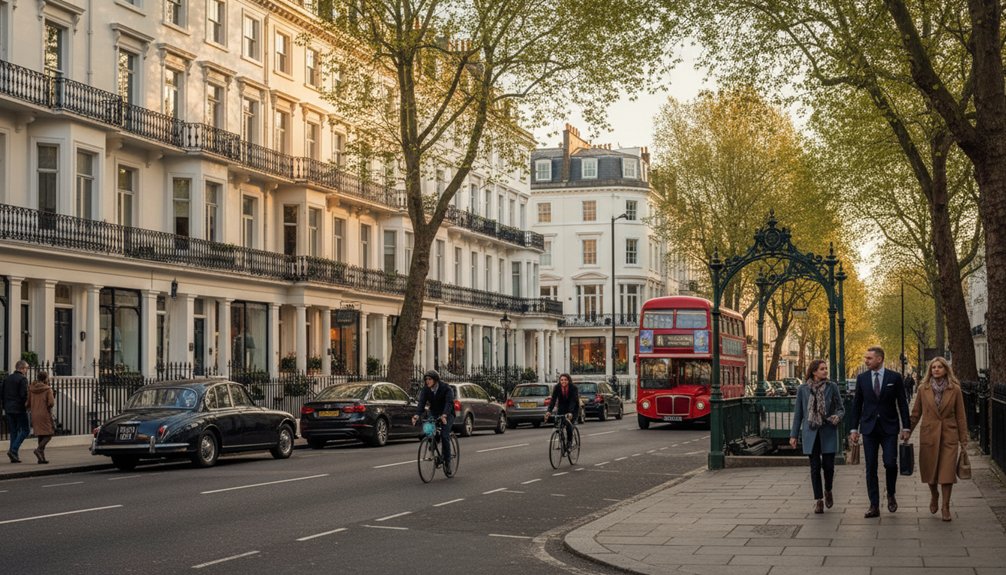
Living in Kensington gives you historic character, reliable transport, cultural attractions and a strong choice of homes, but it also demands careful decisions about cost, location and daily convenience. You can walk or cycle to many amenities, enjoy generous green spaces and reduce your environmental impact, while quieter streets offer welcome privacy. From property types and schools to dining and Underground connections, the details will shape whether Kensington truly suits your lifestyle.
Key Takeaways
- Kensington offers central convenience, historic architecture, green spaces, cultural attractions, excellent schools, and a strong community atmosphere.
- Property ranges from period terraces and mansion flats to modern apartments, with conservation restrictions affecting renovations and maintenance.
- Living costs are premium; budget for rent or mortgages, council tax, utilities, insurance, transport, and potentially higher heating expenses.
- Residents enjoy museums, parks, independent shops, diverse restaurants, nightlife, and family-friendly activities throughout Kensington’s distinct neighborhoods.
- District, Circle, and Piccadilly lines, buses, walking, and cycling provide convenient transport, while parking remains limited and carefully controlled.
What Makes Living in Kensington So Appealing?
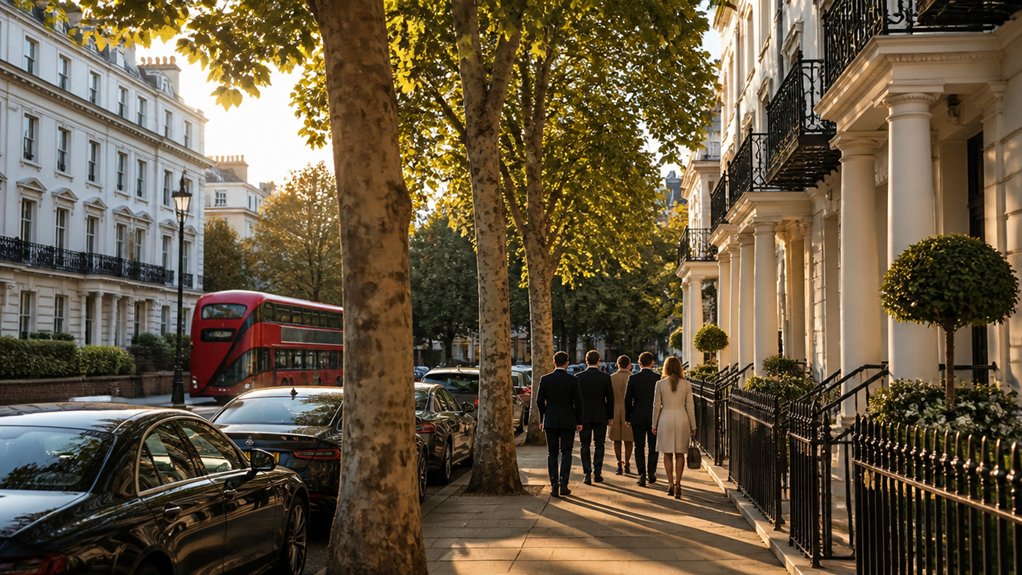
Kensington appeals to people who want central-city convenience without giving up character, green space, or a strong sense of community. You can enjoy walkable streets, respected cultural institutions, and excellent access to shops, cafés, schools, and public transport while remaining close to some of London’s finest parks.
The area’s appeal also comes from its architectural variety. Carefully protected terraces, garden squares, and civic buildings give Kensington a distinctive identity, while thoughtfully designed luxury apartments can provide modern comfort without overwhelming the townscape.
Conservation controls help preserve important views, mature trees, and historic architecture, protecting the qualities that make the neighbourhood desirable. You’ll also find a practical balance between lively amenities and quieter residential surroundings, making daily life convenient, attractive, and connected without sacrificing long-term environmental or architectural value.
Which Kensington Areas Suit Your Lifestyle?
Choosing the right part of Kensington depends on how you balance tranquillity, culture, convenience, and space. South Kensington suits you if museums, cafés, and excellent Underground connections shape your routine.
Choose Kensington Church Street and Kensington Square for a quieter, village-like atmosphere, independent shops, and leafy walks, while respecting the area’s Historic architecture and conservation guidelines.
If you value green space and a slower pace, look towards Kensington Gardens and Holland Park. You’ll find peaceful paths, mature trees, and quick access to cultural attractions, though visitor activity can increase near major landmarks.
Around High Street Kensington, you’ll benefit from shopping, dining, and transport links, making it practical for busy professionals. Luxury apartments often appeal to residents seeking modern security and services, but compare noise, traffic, and long-term neighbourhood plans before committing.
What Types of Kensington Property Can You Buy or Rent?
You’ll find Kensington property ranging from characterful period homes to well-appointed flats, each offering different space, maintenance and conservation considerations.
If you’re buying, assess original features, alteration restrictions and long-term upkeep before committing.
If you’re renting, compare lease terms, repair responsibilities and the property’s energy efficiency.
Period Homes and Flats
From stucco-fronted terraces and garden squares to converted mansion blocks and characterful period flats, Kensington offers historic homes across a broad range of layouts and budgets. You’ll find listed Georgian and Victorian houses, compact studio conversions, and elegant flats within former schools, villas, and estates.
Historic architecture often brings high ceilings, sash windows, cornices, fireplaces, and generous proportions, but you should check which features have protected status before planning changes. Conservation-area controls may restrict replacement windows, external alterations, roof works, and extensions.
Modern renovations can improve insulation, wiring, plumbing, kitchens, and bathrooms, although poor alterations may compromise original character.
When comparing properties, inspect damp, roof condition, communal maintenance, service charges, and lease terms. A conservation-minded surveyor can identify defects and help you budget for sensitive restoration or discreet upgrades.
Renting in Kensington
Renting in Kensington gives you access to period terraces, mansion-block flats, purpose-built apartments, and contemporary developments without the commitment of buying.
You can choose a compact studio near transport links, a family-sized mansion flat, or one of the area’s luxury apartments with concierge services and landscaped communal spaces.
Before signing, check the tenancy length, service charges, council tax band, and who handles repairs.
Ask whether a listed building has conservation restrictions affecting alterations, glazing, or external fixtures.
Rental affordability varies sharply by street, condition, furnishing, and proximity to South Kensington or High Street Kensington stations, so compare several properties and calculate total monthly costs.
You’ll also want to inspect insulation, heating controls, ventilation, and window condition; attractive period details shouldn’t conceal inefficient systems or costly energy bills.
A reputable letting agent should explain permissions, deposits, and maintenance responsibilities clearly.
How Much Does Living in Kensington Cost?
How much does living in Kensington cost? You’ll generally pay a premium for its central location, excellent transport, green spaces, and distinctive historic architecture.
Rent varies sharply by property size, condition, and proximity to landmark streets. A studio or one-bedroom flat commands substantially more than a comparable home elsewhere in London, while luxury apartments and carefully restored period residences sit at the top of the market.
Budget beyond rent for council tax, energy, water, broadband, insurance, and transport. Older properties may also require higher heating costs, so check insulation, window quality, and energy ratings before signing.
If you’re buying, factor in service charges, maintenance, and potential conservation-area restrictions affecting alterations. You can control costs by choosing a smaller home, sharing, improving energy efficiency, and comparing long-term running expenses—not just the asking price.
Where Can You Shop, Dine and Socialise?
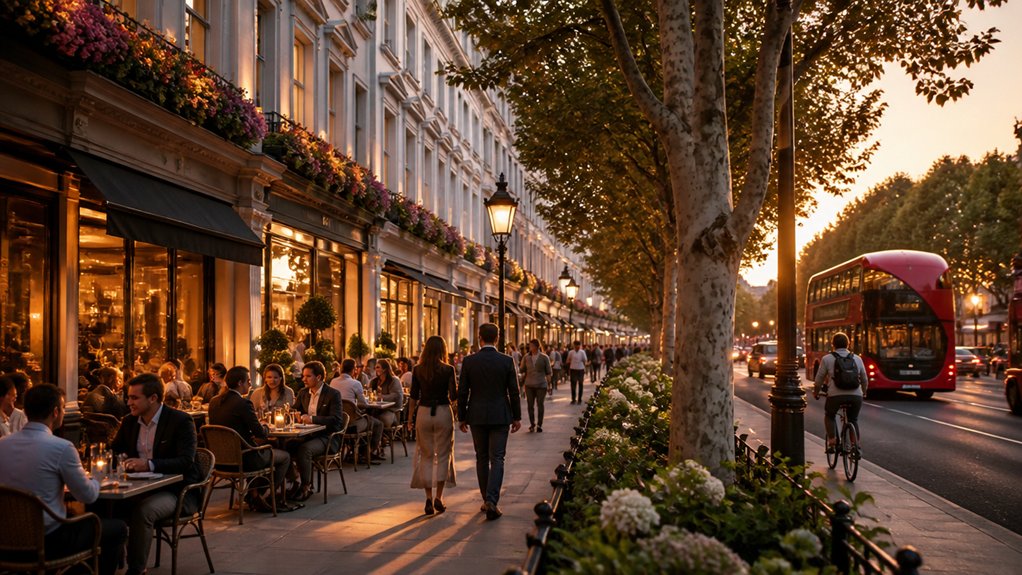
You’ll find high-street shops, independent boutiques and everyday essentials close to Kensington’s residential streets.
Local restaurants, cafés and pubs give you plenty of dining and nightlife options, from quick meals to relaxed evenings out.
Choosing walkable venues and independent businesses can help you enjoy the area while supporting a more sustainable local economy.
Shopping Destinations
Kensington puts some of London’s best shopping, dining and socialising within easy reach, from independent boutiques and cafés around Kensington Church Street to the luxury labels and restaurants of Brompton Road.
For luxury boutiques, head towards Brompton Road and Knightsbridge, where flagship stores showcase fashion, jewellery and beauty brands. You’ll also find designer outlets and carefully curated interiors shops near Kensington High Street, while local galleries and antique dealers add character without encouraging disposable purchases.
Choose independent retailers where possible: you’ll support Kensington’s distinctive high-street economy and discover durable, repairable pieces. Before travelling, check opening hours and accessibility, then walk between nearby streets or use public transport to reduce congestion.
Markets and seasonal pop-ups around the borough can provide locally made gifts, but bring a reusable bag and consider quality over quantity when you shop.
Dining And Nightlife
After shopping, you can find restaurants, cafés and bars across Kensington to suit everything from a quick lunch to an unhurried evening meal. Gourmet restaurants near Kensington High Street and South Kensington offer seasonal menus, while independent cafés provide relaxed breakfast and coffee stops.
You’ll also find global cuisine around Earl’s Court, from casual takeaways to family-friendly dining rooms. For evening entertainment, choose traditional pubs and polished cocktail bars; Trendy nightclubs are more common beyond the neighbourhood, particularly in Chelsea and central London.
Check opening times and book popular tables, especially at weekends. You can reduce your footprint by walking between venues, carrying a reusable bottle, and choosing businesses that limit single-use packaging.
Public transport makes late journeys straightforward, but check the final train before you leave.
Which Parks, Museums and Attractions Stand Out?
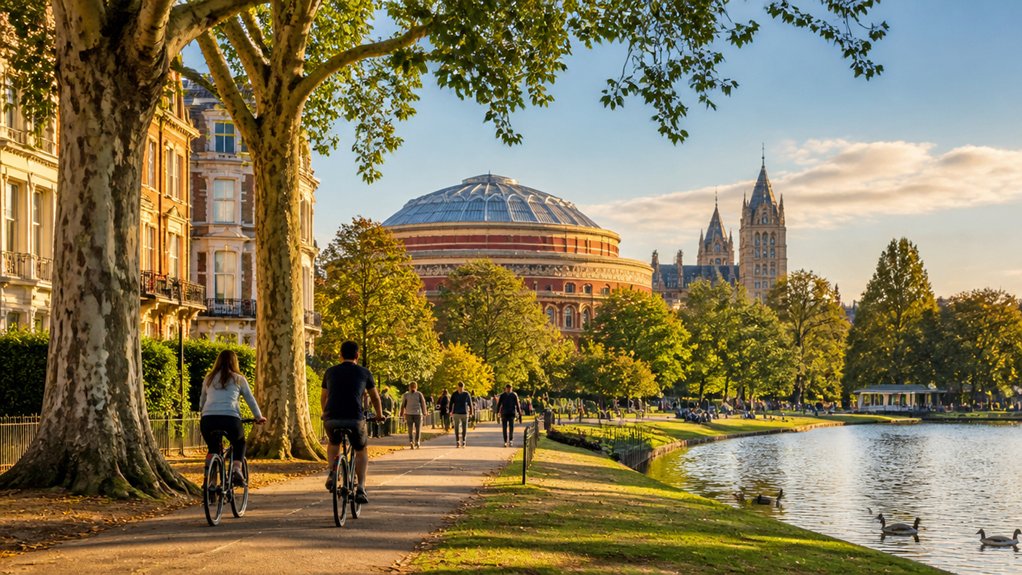
A handful of standout green spaces, museums, and landmarks make Kensington easy to explore on foot while offering strong cultural and conservation value. You can begin at Kensington Gardens, where mature trees, protected landscapes, and the Serpentine create a calm urban retreat. Nearby, Hyde Park adds broad lawns, wildlife habitat, and well-managed walking routes.
For culture, visit the Victoria and Albert Museum, Natural History Museum, and Science Museum along Exhibition Road. Their collections span design, ecology, science, and human history, while free permanent galleries make repeat visits practical.
Kensington Palace and the Royal Albert Hall provide compelling historical landmarks, but check timed-entry requirements before travelling.
You’ll also find seasonal cultural festivals, exhibitions, and performances across the museums and parks. Respect planted areas, follow conservation guidance, and use public transport or walking routes to reduce pressure on this heritage-rich district.
What Are Kensington’s Schools and Family Amenities Like?
Beyond its parks and cultural landmarks, the area offers a strong mix of schools and family amenities. You’ll find respected state primaries, independent nurseries, and renowned private schools, including institutions near Kensington High Street and South Kensington. Admissions can be competitive, so research catchment areas, inspection reports, fees, and waiting lists early.
For everyday family life, you can use well-maintained family parks, playgrounds, libraries, sports facilities, and community centres. Holland Park provides open lawns, woodland habitats, and nature-focused activities, while nearby gardens offer quieter spaces for younger children.
Choose facilities that support outdoor play and biodiversity, and follow local guidance on protecting planted areas and wildlife. Kensington’s museums also run educational workshops, giving children enriching experiences close to home. Check opening times, safeguarding policies, and accessible provision before planning regular activities.
How Easy Is Transport From Kensington?
How easily can you travel from Kensington? You’ll find central London remarkably accessible, especially if you choose Public transport over driving. Kensington High Street and nearby stations connect you with the District, Circle and Piccadilly lines, offering direct journeys towards Westminster, the West End, Heathrow and beyond.
South Kensington, Gloucester Road and High Street Kensington stations cover most residential streets, while frequent buses provide practical alternatives.
You can walk to shops, museums and parks, reducing short car trips and protecting Kensington’s historic streets from congestion and pollution. Cycling infrastructure is improving, with quieter routes and protected lanes linking the borough to neighbouring districts, although you should plan carefully around busy junctions.
If you drive, expect controlled parking zones and limited spaces. For everyday travel, you’ll save time, money and emissions by combining walking, cycling and reliable rail services.
Conclusion
Living in Kensington gives you a rare balance of heritage, convenience, and greener urban habits. You might choose a period townhouse near Holland Park, walk to local shops, cycle to work, and spend weekends exploring museums or community gardens. Before committing, compare conservation rules, service charges, school access, and Underground connections—not just asking prices. With careful planning, you can enjoy Kensington’s architecture and culture while reducing car use and choosing a home that supports a practical, sustainable lifestyle.