You might not know that Clapham’s heritage character can affect what you’re allowed to alter, particularly around conservation areas and listed buildings. As a buyer or renter, you’ll need to balance Victorian details, renovation potential, and modern comfort across Old Town, North, and South Clapham. Transport, amenities, lease terms, and maintenance responsibilities matter too—but the right choice often depends on a property’s hidden constraints.
Key Takeaways
- Compare Clapham Old Town, North, South, and Battersea-border streets for atmosphere, transport, green space, amenities, and renovation constraints.
- Choose between Victorian terraces, converted villas, mansion blocks, and modern flats based on lifestyle, maintenance requirements, and desired character.
- Compare recent sold prices using location, size, condition, tenure, outdoor space, parking, service charges, and lease length.
- Commission thorough surveys checking roofs, damp, movement, wiring, plumbing, timber decay, asbestos, drainage, and unauthorized alterations.
- Renters should test heating, water pressure, appliances, sockets, alarms, locks, ventilation, and photograph existing damage before moving in.
Why Clapham Appeals to Buyers and Renters
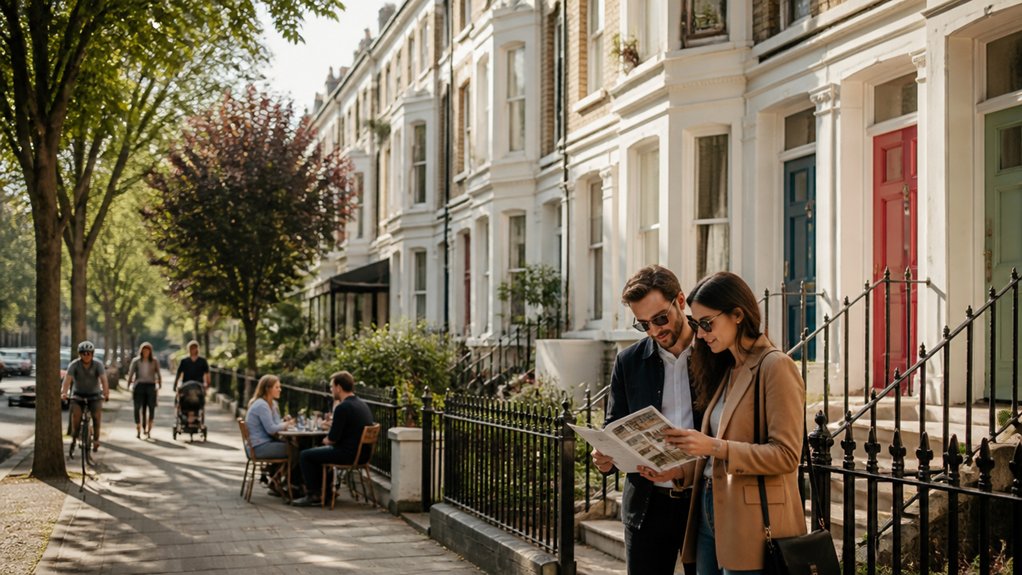
Clapham appeals to buyers and renters because it combines well-preserved Victorian architecture with a lively, well-connected neighbourhood setting. You’ll find terraces, mansion blocks, and converted villas offering period proportions, high ceilings, and original details that reward careful renovation.
Before altering sash windows, cornices, or brick façades, you should check conservation-area guidance and secure the necessary permissions. Thoughtful upgrades, such as discreet insulation, secondary glazing, and efficient heating, can improve comfort without erasing character.
Green spaces add everyday value, giving you room to exercise, socialise, or pause among mature trees. Local cafés, independent shops, schools, and transport links support practical, connected living.
Depending on the property, you may also find luxury amenities, including landscaped courtyards, concierge services, or sensitively designed contemporary kitchens. This balance makes Clapham compelling for both long-term ownership and flexible renting.
Which Clapham Neighbourhood Suits You Best?
Choosing the right part of Clapham depends on how you balance period character, transport, green space, and renovation potential.
Clapham Old Town suits you if you value village atmosphere, conservation areas, and easy access to the Common. Expect tighter planning controls, so check whether your alterations need consent before budgeting.
Around Clapham North, you’ll find lively streets, strong rail and Underground connections, and more scope to modernise, although traffic and nightlife may matter.
Clapham South offers quieter avenues and convenient access to open space, making it attractive if you prioritise calm and commuting.
Battersea-border streets can provide excellent transport and neighbourhood diversity, while nearby Local attractions add everyday appeal.
Walk each area at different times, review conservation guidance, and compare renovation constraints with your lifestyle before choosing.
What Property Types Can You Find in Clapham?
You’ll find elegant Victorian terraced homes, often offering original detailing and thoughtful renovation potential.
Modern apartments and flats provide efficient, contemporary living, from converted period buildings to purpose-built developments.
As you compare them, consider conservation requirements, maintenance needs, and how each property suits your lifestyle.
Victorian Terraced Homes
Victorian terraced homes remain one of Clapham’s defining property types, combining period façades, high ceilings and practical room layouts with strong renovation potential. As a buyer or renter, you’ll often find original cornices, sash windows, fireplaces and timber floors, though condition varies considerably between streets and properties.
Study the survey carefully: damp, outdated wiring, roof repairs and poorly altered rear extensions can affect your budget. Good Victorian architecture rewards sensitive improvements, so check whether your home sits within a conservation area before replacing windows, changing façades or extending.
Historic preservation rules may require planning consent and sympathetic materials, but they can protect the character that makes these terraces desirable. You’ll also need to balance modern insulation, heating and kitchen upgrades with the building’s proportions, details and breathable construction.
Modern Apartments and Flats
Modern apartments and flats in Clapham range from converted period buildings to purpose-built developments, offering lower-maintenance living near the Common, transport links and local amenities. You’ll find sympathetic conversions behind stucco façades, where original cornices, sash windows and generous ceiling heights complement updated kitchens and bathrooms.
In newer schemes, modern design brings efficient layouts, balconies, secure entry systems and, sometimes, luxury amenities such as residents’ lounges, gyms and landscaped courtyards.
Before you buy or rent, check how renovation work respects the building’s history and any conservation-area controls. Listed status may limit replacement windows, external alterations or energy upgrades, while lease terms can affect maintenance costs and permissions for internal changes.
Ask about service charges, cladding, communal repairs and insulation. A well-executed flat can give you heritage character without the upkeep of a complete period house.
How Much Does Property Cost in Clapham?
Property prices in Clapham vary sharply by location, period and condition, from compact flats in converted terraces to substantial Victorian villas near the Common. You’ll generally pay more for preserved Victorian detailing, generous proportions, gardens and views, while lease length, service charges and renovation quality can shift a flat’s value considerably.
Period homes needing structural work may look tempting, but you should budget for rewiring, damp treatment, roof repairs and conservation-sensitive alterations. Listed status or a locally protected streetscape can limit changes and increase professional costs, so obtain specialist advice before offering.
Market trends can differ between Clapham’s pockets and property types; compare recent, like-for-like sales rather than relying on asking prices. For buyers and landlords, Investment opportunities often lie in thoughtfully restored homes, not merely the cheapest projects.
Which Clapham Transport Links Matter Most?
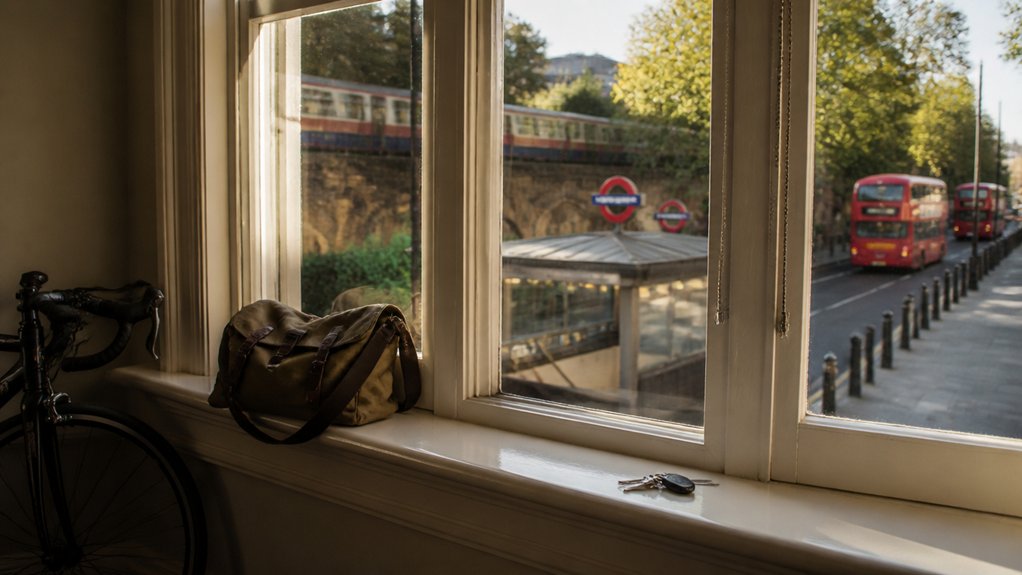
Transport links can materially affect what you’ll pay in Clapham, particularly when comparing homes near the stations with quieter streets farther from the main routes. Start with the Northern line at Clapham North, Clapham Common and Clapham South: you’ll gain swift journeys into central London, but should assess tube noise, footfall and listed-building constraints before renovating.
Clapham Junction offers extensive rail connections, while nearby Overground services broaden your options for work and weekend travel.
Buses remain valuable on routes such as the A2216 and A3, especially if you choose a conservation-area house away from a station. Check night services, step-free access and disruption records rather than relying on journey times alone.
If you drive, investigate resident permits and parking facilities, since period terraces rarely accommodate generous off-street spaces.
What Amenities Are Near Clapham Homes?
Clapham’s amenities are a major part of its appeal, with independent shops, cafés, pubs and restaurants clustered around Clapham High Street, Abbeville Village, Clapham Old Town and the Common.
You’ll find a convenient local grocery for everyday essentials, alongside bakeries, delis, pharmacies and boutiques in thoughtfully preserved Victorian and Georgian streetscapes.
Clapham Common gives you expansive outdoor parks for walking, sport and seasonal events, while smaller green spaces add breathing room between terraces.
Families benefit from nurseries, schools and children’s activities, and you’ll have fitness studios, dentists and practical services close by.
If you’re renting, this variety can simplify daily life; if you’re buying, it reflects the neighbourhood’s enduring character.
Conservation areas protect much of Clapham’s historic fabric, so nearby amenities often complement, rather than overwhelm, its architectural identity.
How Should Buyers Assess Clapham Properties?
When evaluating Clapham properties, you’ll need to distinguish period character from costly defects, including damp, outdated services and insensitive alterations.
Compare asking prices with recent local sales, then weigh each home’s renovation potential against conservation constraints and listed-building requirements.
A careful survey will help you judge whether the heritage features justify the investment.
Evaluate Property Condition
Start by evaluating the property’s structure, fabric and alterations—not just its period charm. Check the roof, chimneys, parapets, gutters and brickwork for movement, damp or failed pointing.
Inside, inspect floors, ceilings, windows and joinery; original features can be valuable, but poor repairs may conceal defects.
Consider property age alongside construction type: Victorian stock may need breathable materials, upgraded services and careful insulation, while later homes can present different maintenance issues.
Ask for records of extensions, conversions, rewiring and plumbing, then verify approvals and conservation-area constraints before planning changes.
Look for subsidence indicators, timber decay, mould and asbestos, using an independent surveyor where concerns arise.
Test heating, electrics, water pressure and drainage.
For houses, assess boundary walls, outbuildings, planting and garden security, especially where access is shared.
Compare Prices And Potential
How do you compare Clapham properties fairly? Start with like-for-like evidence: street, tenure, floor area, condition, outdoor space, parking, and period features.
Check recent sold prices, not optimistic asking prices, then study Market trends across Clapham’s neighbourhoods. A carefully restored Victorian terrace may command more than a tired equivalent, yet don’t pay a premium for cosmetic work that hides damp, outdated wiring, or roof repairs.
Assess renovation costs with specialist quotes, especially where conservation-area controls or listed-building consent could limit alterations.
Compare service charges, lease length, ground rent, and energy performance for flats.
Consider how transport links, schools, green spaces, and local heritage influence demand, but test every assumption against rental yields and realistic resale values.
Your Investment potential depends on purchase discipline, authentic character, and improvements that respect the building’s history rather than erase it. Keep a contingency for surprises.
What Should Renters Check Before Moving In?
Before you move into a Clapham property, inspect its condition carefully, particularly in period homes where heritage features can conceal renovation issues. Check sash windows, fireplaces, cornices, floors, and exposed brick for damp, draughts, movement, or inappropriate repairs.
Test taps, heating, sockets, appliances, alarms, locks, and ventilation, and photograph every existing mark before unpacking. Ask who’ll maintain original features and whether listed-building or conservation-area restrictions limit painting, replacements, or future improvements.
Read the lease agreement closely, confirming rent, deposit protection, break clauses, repair responsibilities, and notice periods. Clarify pet policies, permitted alterations, bin arrangements, bike storage, and communal-area rules in writing.
Finally, request energy, gas, and electrical certificates, check meter readings, and report defects promptly, so you’re not blamed for pre-existing problems when you leave.
Conclusion
Whether you’re buying a Victorian terrace in Clapham Old Town or renting a modern flat near the Common, choose with both heart and practical judgment. Inspect period details, renovation potential, conservation restrictions, transport, and everyday amenities before committing. Check leases, services, and responsibilities carefully, too. Remember, “measure twice, cut once”: thoughtful preparation protects your investment and your enjoyment. With the right research, you’ll find a home that honours Clapham’s heritage while fitting your modern life.