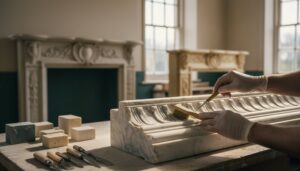

Victorian & Edwardian homes are among London’s most distinctive residential properties. From decorative brickwork and bay windows to high ceilings, original fireplaces, generous proportions, and traditional layouts, these period homes offer a character that modern properties often struggle to replicate.
However, buying or renovating a Victorian or Edwardian property requires more than an appreciation for its appearance. Behind the attractive façade can be structural, planning, legal, and financial considerations that need careful attention.
At London Property Advice, we help homeowners, buyers, and investors look beyond the surface to understand both the opportunities and considerations associated with London’s period properties.
Understanding the Character of Period Homes
Victorian homes were generally built between 1837 and 1901, while Edwardian properties primarily date from the early twentieth century. Both periods produced a wide variety of architectural styles, meaning no two properties are necessarily identical.
Common features include large sash windows, fireplaces, decorative cornices, timber floors, high ceilings, bay windows, pitched roofs, and brick façades.
These features can contribute significantly to a property’s appeal and marketability. However, preserving them while introducing modern conveniences requires careful planning.
The challenge is often finding the right balance between maintaining character and creating a home that works for contemporary living.
Look Beyond the Cosmetic Appeal
A beautifully restored period property can be impressive, but buyers should look beyond paintwork, flooring, and decorative features.
Older properties can require attention to roofing, brickwork, damp, timber, plumbing, electrical systems, insulation, windows, and structural elements.
A professional survey can help identify potential issues before you commit to a purchase. Understanding the condition of the building can also help you establish a realistic renovation budget.
This is particularly important when a property is being purchased specifically because it appears to offer significant renovation potential.

Unlocking Additional Space
One of the major attractions of Victorian and Edwardian properties is the possibility of adapting existing space.
Depending on the property, homeowners may consider loft conversions, rear extensions, side returns, internal reconfigurations, or other improvements.
However, the fact that a neighbouring property has completed a particular project does not automatically mean the same work will be approved for your home.
Planning policies, conservation-area restrictions, property design, neighbouring buildings, structural considerations, and permitted development rights can all affect what is achievable.
Understanding these factors before designing your dream renovation can prevent unrealistic expectations and unnecessary expenditure.
Respecting Original Features
Period properties often derive much of their value and character from their original details.
Replacing every traditional feature with contemporary alternatives can sometimes reduce the architectural appeal of a home. Instead, thoughtful renovation can combine modern functionality with carefully preserved character.
Original fireplaces, sash windows, timber flooring, doors, cornices, and other details may be worth retaining or restoring where practical.
The objective should not necessarily be to make a Victorian or Edwardian property look new. It should be to make it work better while respecting what makes it distinctive.
Planning and Conservation Considerations
Some Victorian and Edwardian properties are located within conservation areas or may have specific restrictions affecting alterations.
This can make renovation more complex.
Before proceeding with significant external changes, homeowners should understand whether planning permission, listed-building consent, or other approvals may be required.
Architectural and planning advice at an early stage can help identify potential constraints and establish a more realistic project strategy.
At London Property Advice, our combined expertise across architecture, planning, renovation, property law, and property investment allows clients to assess potential projects from several important perspectives.
Consider the Financial Picture
Renovating a period property can involve more than the cost of the planned extension or refurbishment.
Older buildings can reveal unexpected issues once work begins. Structural repairs, specialist materials, heritage considerations, and compliance requirements can all influence the final budget.
Before purchasing a property with renovation intentions, it is sensible to consider the complete financial picture.
For investors, this should also include the property’s potential rental performance, renovation costs, financing, projected value, and potential return on investment.
A property may have significant potential, but that potential only becomes valuable when the numbers make sense.
Legal Due Diligence Matters
Property improvements can also involve legal considerations.
Buyers should understand the title, lease terms, restrictions, rights of way, obligations, and other matters that could affect how a property can be used or altered.
Leasehold properties may require additional attention, particularly where proposed works could involve structural changes or alterations affecting communal areas.
Proper legal due diligence before purchase can help identify restrictions that might otherwise become problematic later.
Modern Living Without Losing Character
The best Victorian and Edwardian renovations are often those that respect the property’s original identity while making it suitable for modern life.
An intelligently designed kitchen can sit comfortably within a period layout. A carefully planned extension can create additional living space without overwhelming the original architecture. Energy-efficiency improvements can enhance comfort while retaining important traditional features.
Achieving this balance requires thoughtful design rather than simply adding modern elements wherever possible.
Unlock the Right Potential With Expert Advice
Victorian and Edwardian homes can offer remarkable opportunities for homeowners and investors, but their potential should be assessed carefully.
At London Property Advice, our multidisciplinary approach combines expertise in estate agency, architecture, planning, property law, renovation, and finance. This enables clients to understand the property from more than one perspective and make decisions based on the complete picture.
Whether you are considering buying a period home, renovating your existing property, or evaluating a Victorian or Edwardian investment opportunity, professional advice can help you understand what is possible, what may require further investigation, and where potential risks lie.
Behind every beautiful period façade is a property with its own story, structure, restrictions, and possibilities. The key is knowing how to unlock its potential without losing what makes it special.