
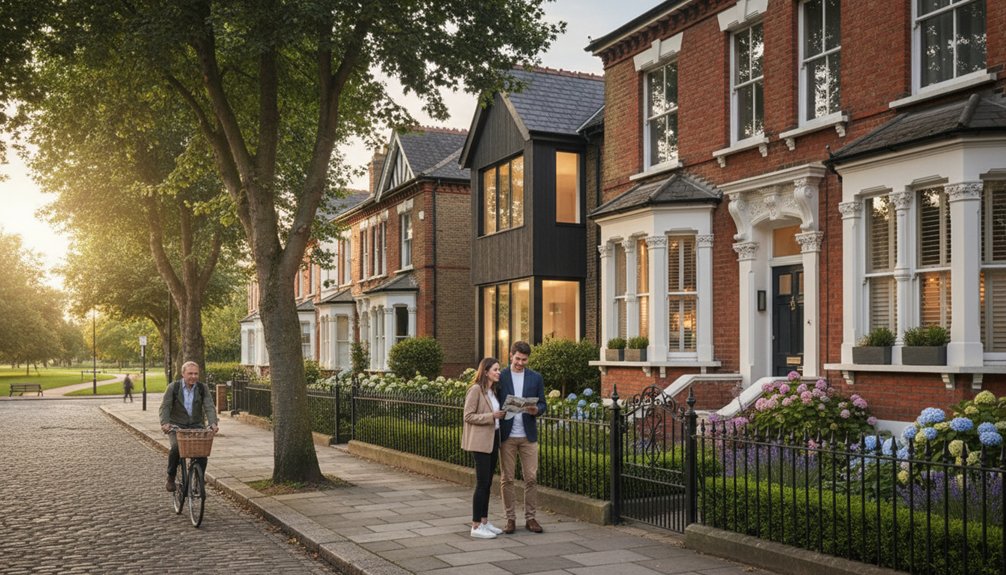
A modest two-bedroom flat in Plumstead can act like a foothold in London’s property market: you get more space for your budget while staying within reach of central employment hubs. As a buyer, you’ll find varied housing stock, improving infrastructure, and potential for long-term capital growth; as a renter, you benefit from competitive rents, reliable transport, and sustained local demand. The key question is how these factors compare across your priorities.
Key Takeaways
- Affordable property prices provide buyers with greater purchasing power and access to varied homes, from flats to period terraces.
- Strong rail, bus, and Elizabeth line connections support commuting to central London, Canary Wharf, Woolwich, and surrounding employment hubs.
- Green spaces, shops, schools, healthcare, and community facilities create a convenient and attractive everyday lifestyle.
- Competitive rents, larger living spaces, and reliable transport sustain strong tenant demand and long-term rental occupancy.
- Regeneration, transport improvements, and ongoing demand offer potential long-term value growth for both homeowners and investors.
Is Plumstead a Good Place to Buy or Rent?
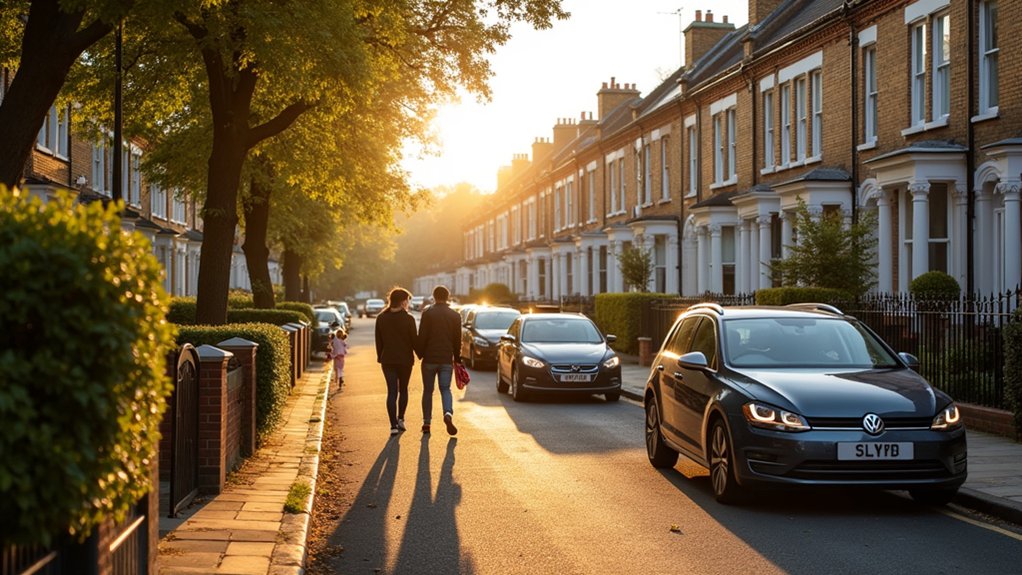
Plumstead is a strong option for buyers and renters seeking comparatively accessible prices, reliable transport links, and steady housing demand in southeast London. You’ll benefit from Elizabeth line access at nearby Woolwich, frequent buses, and straightforward connections towards central London, strengthening the area’s appeal to commuters.
For renters, diverse housing stock, from period terraces to modern apartments, supports choice across budgets and life stages.
Buyers can also assess long-term potential through transport investment, regeneration, and continuing demand from households priced out of better-known neighbouring districts.
Community spirit remains a practical advantage: schools, independent businesses, parks, and local events help sustain tenant retention and buyer interest.
Local history adds character, while Plumstead Common and proximity to the Thames broaden lifestyle appeal.
You should still scrutinise street-level condition, lease terms, and maintenance costs.
How Do Plumstead Property Prices Compare?
Compared with many better-known southeast London markets, Plumstead typically offers a lower entry price, giving you more scope to buy a family-sized house or generate rental yield from a smaller budget. That affordability can improve your leverage, although you should compare asking prices with completed sales rather than relying on optimistic listings.
Flats generally provide the lowest starting point, while terraced and semi-detached homes command premiums linked to size, condition, and plot.
For you as an investor, rental demand can support dependable occupancy, but calculate gross and net yields after mortgage interest, maintenance, service charges, insurance, and void periods.
Property appreciation may be steadier than spectacular, so your return depends on purchase discipline and improvement potential.
What Transport Links Make Plumstead Convenient?
Affordability becomes more compelling when you factor in connectivity: Plumstead station provides regular Southeastern services towards London Bridge, Cannon Street, and other central London destinations, while nearby Woolwich offers Elizabeth line access for faster journeys across the capital.
For you, that means shorter commutes, broader employment access, and stronger tenant appeal. Frequent bus routes connect Plumstead with Woolwich, Abbey Wood, Bexleyheath, and surrounding districts, giving residents practical alternatives when rail services face disruption.
This transport mix can support resilient rental demand and improve your property’s resale prospects as infrastructure investment continues across southeast London. You’ll also find it easier to reach local dining and community events beyond the immediate area without relying on a car.
When you compare opportunities, assess walking times, peak-frequency schedules, and likely future transport improvements.
Which Parks, Shops and Amenities Does Plumstead Offer?
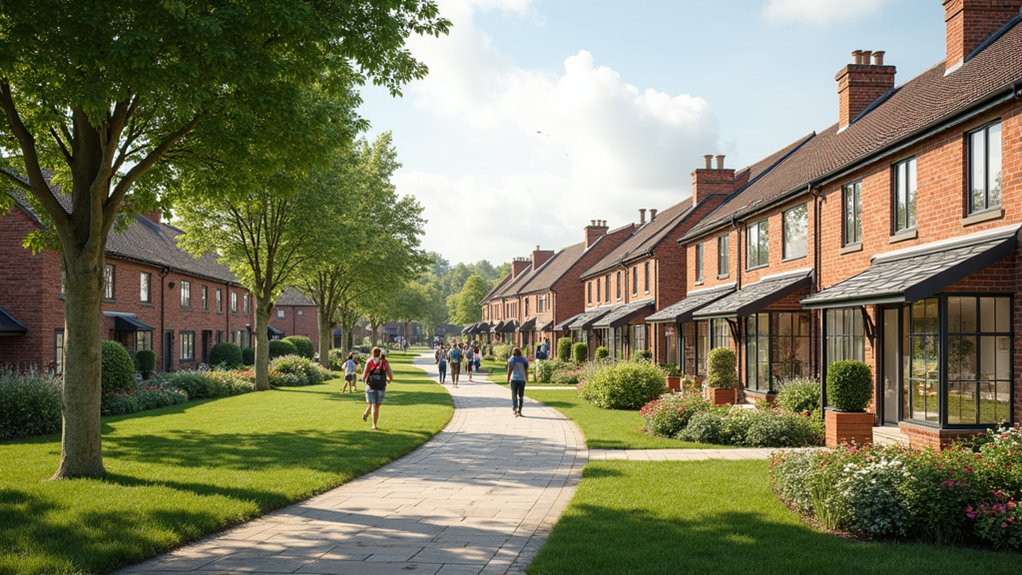
What can you expect beyond convenient transport? Plumstead gives you practical amenities that support daily life and protect property appeal.
Plumstead Common provides open space for walking, informal sport and seasonal recreation, while Winn Common adds another valued green asset nearby.
High Street shops, independent traders and essential services keep routine spending local, reducing reliance on larger centres. You’ll also find cafés, takeaways and restaurants showcasing local cuisine, creating social activity that can strengthen commercial demand.
Libraries, schools, healthcare facilities and community venues add functional depth, helping neighbourhoods sustain occupancy and resale interest.
Community events, from markets to festivals, build connections and increase visibility for local businesses.
For investors, this mix of green space, convenience and spending infrastructure signals a well-rounded area with amenities that can support enduring buyer confidence.
Why Is Plumstead a Good Choice for Renters?
As a renter, you’ll find Plumstead offers affordable options that can help you control monthly costs while accessing a competitive local market.
Convenient transport links can shorten commutes to central London and strengthen the area’s rental appeal.
Together, these advantages support practical living and resilient tenant demand.
Affordable Rental Options
With competitive rents and a broad mix of flats, terraced homes, and family properties, Plumstead gives renters more choice without sacrificing access to southeast London. You can often secure more space here than in pricier neighbouring districts, improving your household budget and quality of life.
That value supports steady demand across the Rental market, particularly for well-presented homes near shops, schools, and green spaces. For you, comparing rent per square metre, council tax, and typical utility costs reveals the true monthly cost rather than relying on headline listings.
Plumstead’s range also lets you match housing to your income, whether you’re starting out, sharing, or raising a family. As demand remains resilient, landlords benefit from dependable occupancy, while you gain access to genuinely Affordable housing with practical long-term potential.
Convenient Transport Links
Plumstead gives you practical access to southeast London, with National Rail services from Plumstead station reaching London Bridge and Cannon Street in roughly 30–40 minutes.
Nearby bus routes connect Woolwich, Greenwich, and surrounding employment hubs. This public transport network helps you control commuting costs while widening your tenant pool beyond local workers.
You can reach Elizabeth line services at Woolwich, improving access to Canary Wharf, the City, and Heathrow, while road links support journeys towards the A2 and South Circular.
For renters, that connectivity translates into commuting convenience and more predictable travel times. For investors, it strengthens occupancy prospects, particularly among professionals seeking value without sacrificing central-London access.
As transport infrastructure continues to shape rental demand, Plumstead’s links provide a practical advantage that can support resilient rents and long-term investment appeal.
Why Do Buyers Choose Plumstead?
When you buy in Plumstead, you’ll find comparatively affordable properties with potential for long-term value growth.
Strong transport connections can widen your tenant pool and support resale demand.
Together, these fundamentals make Plumstead a compelling market for value-focused buyers.
Affordable Property Options
Why do buyers choose Plumstead? You’ll find a lower entry point than in many neighbouring southeast London markets, giving your budget greater purchasing power. That affordability lets you target larger houses, garden properties, or homes needing manageable refurbishment, depending on your strategy.
Local price diversity also supports different buyer profiles, from first-time purchasers seeking attainable ownership to investors building rental portfolios. You can compare Victorian terraces, compact flats, and newer apartments while evaluating rental demand, maintenance costs, and achievable yields.
Luxury developments may command premiums, yet Historic landmarks and established streets add character that can strengthen resale appeal. By negotiating carefully and modelling mortgage, service-charge, and renovation costs, you’ll identify genuine value rather than simply the cheapest listing.
Plumstead’s varied stock helps you balance affordability, income potential, and long-term capital growth.
Strong Transport Connections
With Elizabeth line access at nearby Abbey Wood and regular rail services from Plumstead, buyers can reach central London and Canary Wharf more efficiently while benefiting from comparatively accessible prices.
You’ll also find direct rail links towards London Bridge, making commuting practical and supporting consistent tenant demand. For investors, shorter journey times can strengthen rental appeal, reduce void risk, and improve resale prospects as connectivity remains a key pricing driver.
Plumstead’s historical significance, from its Arsenal heritage to long-established residential streets, adds character beyond transport convenience. Its cultural diversity supports a broad tenant base, including professionals, families, and international households.
You’ll benefit from access to major employment centres without paying inner-London premiums, while local bus routes and nearby Woolwich amenities reinforce everyday convenience. That combination supports both capital growth and dependable rental income.
Should You Buy or Rent in Plumstead?
Whether you’re buying for long-term growth or renting for flexibility, Plumstead offers a compelling case on both sides. As a buyer, you’ll gain exposure to a comparatively accessible South East London market, with potential upside from regeneration, transport links, and sustained tenant demand. Mortgage costs, deposit size, and projected rental yields should guide your affordability model—not enthusiasm alone.
Renting lets you test neighbourhoods, preserve capital, and respond quickly if your career or finances change. Compare monthly rent with the full ownership cost, including interest, maintenance, insurance, stamp duty, and service charges.
Plumstead’s varied stock, from luxury apartments to historic cottages, creates different entry points and risk profiles. If you’ll stay five years or longer and can absorb rate changes, buying may build equity. Otherwise, renting can offer superior flexibility while you track market conditions.
Frequently Asked Questions
What Types of Properties Are Available in Plumstead?
You’ll find diverse options in Plumstead, from affordable flats and modern maisonettes to family terraces, Victorian cottages, and Luxury apartments. Compare yields, prices, transport links, and rental demand to identify your strongest investment opportunity.
How Safe Is Plumstead for Residents?
You’ll find Plumstead relatively safe, with crime rates generally below London averages. Strong community engagement, active neighbourhood groups, and improving amenities support resident confidence, while investors should still compare street-level data before purchasing or letting properties.
Are There Good Schools Near Plumstead?
Yes, you’ll find reputable primary and secondary schools near Plumstead, supporting family demand. Compare Ofsted ratings, admissions data, and school options, while evaluating extracurricular activities—factors that can strengthen rental appeal, occupancy, and long-term property investment returns.
What Is Plumstead’s Community Atmosphere Like?
Plumstead’s community atmosphere feels welcoming and connected—verily, you’ll notice strong community engagement through local events, clubs, and markets. That social cohesion can support tenant retention, demand stability, and resilient property investment returns.
How Does Plumstead Compare With Neighbouring Areas?
Compared with neighbouring areas, you’ll find Plumstead offers stronger value, Historical charm, and Cultural diversity. Its accessible prices, transport links, and improving amenities can support rental demand and long-term capital growth, strengthening its investment case.
Conclusion
Whether you’re renting or buying, Plumstead offers an unusually compelling balance of affordability, connectivity and lifestyle value. You’ll benefit from strong rail and bus links, green space, diverse housing and dependable local demand. Buyers can target long-term capital growth as regeneration progresses, while renters gain flexibility without sacrificing convenience. With competition likely to intensify, acting early could give you an advantage. In southeast London’s value market, Plumstead may be the smartest opportunity on the map.