

Picture morning trains pulling away from Lewisham as new developments reshape streets, public spaces, and investment prospects. When you live here, you’ll find fast links to central London, varied housing, and regeneration that could support long-term demand, though prices, construction disruption, and local differences still matter. From family-friendly neighbourhoods to rental-focused apartments, your best option depends on priorities, budget, and timing—and the most significant changes may not be where you first expect them.
Key Takeaways
- Lewisham offers strong rail, DLR, and bus connections to London Bridge, Canary Wharf, Bank, Greenwich, and Stratford.
- Regeneration is improving public spaces, employment prospects, transport interchanges, amenities, and potentially long-term property values.
- Property choices include Victorian terraces, period conversions, purpose-built flats, modern apartments, and more affordable homes in Catford.
- Blackheath, Hither Green, and Sydenham attract families and lifestyle renters, while Lewisham town centre suits commuters seeking rental liquidity.
- Buyers should compare recent sold prices, achievable rents, service charges, maintenance costs, and regeneration-related construction risks.
What Are the Pros and Cons of Living in Lewisham?

Living in Lewisham offers a strong balance of connectivity, amenities, and relative value, especially for buyers priced out of inner London. You’ll typically access faster transport links and broader housing choice than in many central boroughs, supporting rental demand and long-term liquidity.
Ongoing regeneration can improve public environment, employment, and values, although you should assess construction disruption and whether price growth is already reflected in asking prices.
Local amenities are another advantage: shops, schools, healthcare, parks, and leisure facilities support everyday convenience and tenant appeal.
However, affordability remains relative, with period homes, leasehold charges, and mortgage costs stretching budgets.
Community safety varies by street and can influence insurance, resale, and achievable rents, so review current crime data and visit at different times.
You should also model service charges, maintenance, and vacancy risk before investing.
Which Areas Are Best for Living in Lewisham?
Once you’ve weighed Lewisham’s affordability, connectivity, and street-by-street variation, the best area depends on your budget, tenant profile, and investment horizon.
For commuters, Lewisham town centre offers fast rail and DLR access, varied flats, and strong rental liquidity.
Blackheath suits you if you prioritise period homes, village character, green space, and affluent professional demand, though entry prices are higher.
Hither Green provides a practical middle ground: attractive terraces, station access, and family-oriented streets.
Catford generally offers lower purchase prices and larger homes, improving affordability for first-time buyers and yield-focused landlords.
Sydenham appeals to lifestyle renters seeking independent shops, local cuisine, and cultural venues.
Compare sold prices, asking rents, council-tax bands, schools, transport walks, and void risk.
Visit during weekdays and weekends, and assess community events before choosing.
Which Lewisham Areas Are Changing Fastest?
If you’re tracking Lewisham’s fastest-changing markets, start with Lewisham Town Centre and New Cross Gate.
You’ll see regeneration, improved transport links, and rising commercial activity shaping demand and development potential.
Compare price growth, rental yields, planning applications, and new-build supply before investing.
Lewisham Town Centre
Lewisham Town Centre is changing rapidly as the £24 million redevelopment of Lewisham Shopping Centre, improved transport links and new residential schemes reshape the local market. For you, that combination could support stronger tenant demand, although purchase prices and service charges require careful comparison.
The centre’s retail, leisure and workspace offer creates a practical rental proposition, particularly for professionals prioritising convenience over larger floorplans. Community events and local cuisine add activity beyond commuting hours, helping sustain footfall and neighbourhood appeal.
Track planning approvals, delivery dates and completed sales rather than relying on headline promises. Flats near stations may offer liquidity, while new-build premiums can limit immediate yields.
You’ll also need to assess noise, management quality and projected service costs before committing. Regeneration can reward early buyers, but disciplined due diligence remains essential.
New Cross Gate
New Cross Gate is changing quickly as transport investment, student demand and residential redevelopment reshape the area around the station. For you, the key advantage is connectivity: Overground services link Canada Water, Shoreditch and Highbury, while nearby rail routes reach London Bridge and the City.
That accessibility supports tenant demand, particularly from students, commuters and young professionals. You’ll find Victorian terraces, converted flats and newer developments, creating varied entry points for investors, although pricing and rental yields differ sharply by street and specification.
Monitor planning applications, service-charge levels and lease terms before committing. Cultural attractions, including art spaces and live-music venues, strengthen the area’s appeal.
Local cuisine ranges from independent cafés to international restaurants, reinforcing its lifestyle offer. Regeneration may deliver capital growth, but construction disruption and competition remain important risks.
What Are Lewisham’s Transport Links Like?
When you assess Lewisham’s investment potential, you’ll find strong rail and DLR connections supporting commuter demand.
Extensive bus routes broaden access across the borough, while frequent services link you to Central London.
These transport advantages can strengthen rental appeal, tenant liquidity, and long-term property value.
Rail and DLR Connections
How well can you reach the rest of London from Lewisham? Rail connectivity gives you a strong advantage, with Southeastern services linking Lewisham to London Bridge in roughly 10 minutes, Cannon Street in about 15, and destinations across southeast London and Kent. You’ll also benefit from frequent trains, although peak-time crowding and occasional engineering works can affect reliability.
DLR accessibility strengthens the investment case. From Lewisham station, you can reach Canary Wharf in around 20 minutes, supporting commutes to the capital’s major financial and business districts.
Direct DLR services also connect you with Greenwich, Woolwich and Stratford, expanding employment and leisure access without relying on central London interchange points.
For buyers, these journey times can support tenant demand, rental resilience and long-term resale appeal, particularly near the station and regeneration zones.
Bus Routes Across Lewisham
Beyond rail and DLR services, Lewisham’s extensive bus network provides practical coverage across the borough and neighbouring areas. You’ll find frequent bus routes linking town centres, residential streets, hospitals, schools and interchange points, helping you reach daily destinations without relying on a car.
TfL’s live updates and journey tools support efficient route planning, while night services can add flexibility for renters, professionals and visitors.
For property buyers, proximity to reliable stops can strengthen a home’s practical appeal, particularly where rail access is less immediate. However, you should compare frequencies, journey times and service changes rather than judging connectivity by distance alone.
Regeneration around Lewisham, Catford and New Cross may further reshape local movement patterns. Check current timetables, planned roadworks and accessibility before evaluating rental demand or long-term investment potential.
Access to Central London
For access to Central London, Lewisham benefits from direct rail services to London Bridge, with typical journey times of around 10–15 minutes. The DLR provides links towards Canary Wharf and Bank via Greenwich and the Isle of Dogs.
You can also use frequent Southeastern trains to Cannon Street and Charing Cross, depending on your station and destination. This connectivity supports commuting, tenant demand, and resale prospects, particularly around Lewisham town centre and transport-led regeneration sites.
Check peak-time reliability, fares, and walking distances before you invest, as these factors influence achievable rents and buyer appeal.
Beyond work, you’ll reach theatres, galleries, local cuisine, and cultural festivals across central neighbourhoods quickly. Improved interchanges and ongoing infrastructure investment could strengthen accessibility, helping well-connected homes maintain a measurable location premium.
How Much Is Property in Lewisham?
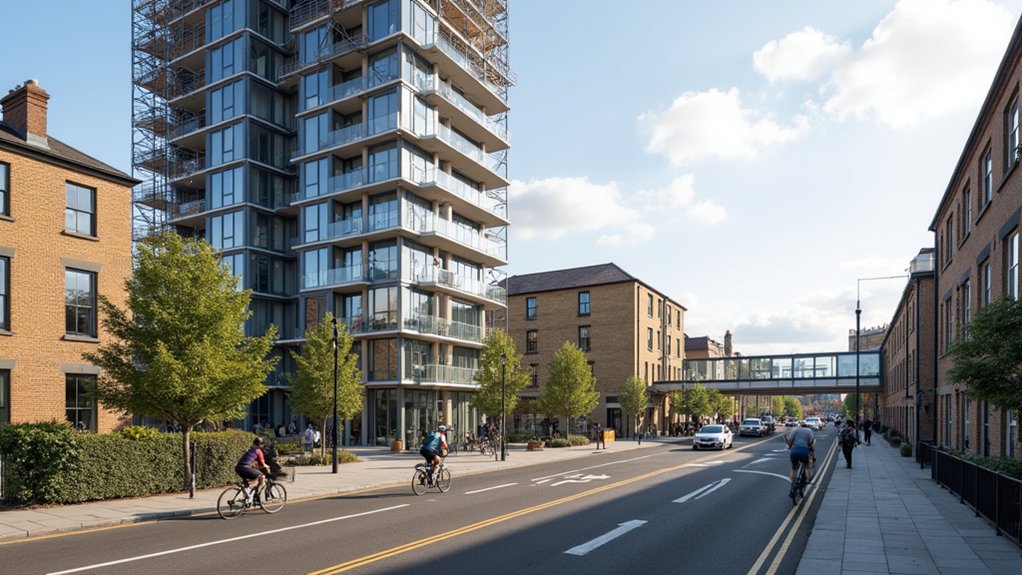
Lewisham property prices vary sharply by neighbourhood, property type and proximity to transport, so buyers should compare recent sold prices rather than rely on headline averages. You’ll generally pay more near fast rail links, regeneration zones and sought-after high streets, while less central pockets may offer better entry values.
Track Land Registry sales, current listings and price-per-square-metre figures before making an offer. Your budget should also allow for stamp duty, mortgage costs, service charges and likely refurbishment.
Affordable housing initiatives may improve access for eligible buyers, but availability and criteria vary. For investors, rental demand, achievable yields and tenant affordability matter more than projected capital growth alone.
Luxury apartments can command premiums, yet high service charges may reduce net returns. A survey and comparable-sales analysis will help you negotiate confidently.
What Types of Homes Are Available?
Whether you’re buying to live in or invest, Lewisham offers a broad mix of Victorian and Edwardian terraces, purpose-built flats, modern apartments and converted period homes. Terraces often provide larger floorplans, gardens and scope for home renovation, although you’ll need to budget for leasehold restrictions, structural work and energy upgrades.
Purpose-built flats can offer lower entry prices and more predictable maintenance, while newer apartments may attract renters seeking efficient layouts, balconies and on-site amenities.
Converted homes create character-led options, but check sound insulation, service charges and whether alterations received approval. Your choice should reflect rental demand, resale liquidity and projected running costs, not just asking price.
If you’re investing remotely, professional property management can protect occupancy, maintenance standards and net returns across changing market conditions. Always compare tenure, lease length and recent achieved prices.
Are Lewisham’s Schools and Parks Family-Friendly?
When choosing a family home or investment, you’ll find that Lewisham combines well-regarded schools with extensive green space, although quality and proximity vary by neighbourhood. Check Ofsted outcomes, admissions distances, and recent performance before committing, because catchment demand can differ sharply between streets.
Primary options are widely distributed, while secondary provision and travel times require closer scrutiny. Inspect School facilities, including sports areas, libraries, breakfast clubs, and special educational needs support, rather than relying on league tables alone.
For outdoor time, you’ll find parks such as Mountsfield Park, Manor House Gardens, and Ladywell Fields offer play areas, sports pitches, and walking routes. Compare park amenities, maintenance, lighting, and safeguarding features at different times.
These practical factors can influence rental appeal and help you judge whether a particular neighbourhood suits your household.
Is Lewisham a Good Property Investment?

For investors, Lewisham can offer a compelling balance of rental demand, regeneration potential, and comparatively accessible prices. However, returns vary markedly by neighbourhood and property type. You’ll find demand supported by strong transport links, a growing population, and proximity to central London employment hubs.
Regeneration around Lewisham town centre and adjacent districts may improve values over time, although construction phases can create disruption and pricing risk. Compare gross yields with mortgage costs, service charges, maintenance, void periods, and tax before committing.
Affordable housing initiatives can influence supply, rents, and resale prospects, so you should track local policy and development pipelines. Local amenities, including shops, healthcare, leisure, and green space, strengthen tenant appeal.
Prioritise evidence from recent transactions and achievable rents, rather than relying solely on optimistic forecasts or headline growth figures.
How Do You Choose a Lewisham Home?
How do you choose a Lewisham home that fits both your lifestyle and financial goals? Start by defining your budget, deposit, borrowing capacity, and acceptable monthly costs.
Compare property affordability across areas such as Catford, Hither Green, and Forest Hill, while checking recent sold prices rather than relying on asking prices.
Transport links can support resale demand: assess journey times, planned improvements, and access to central London.
Evaluate neighborhood amenities, including schools, parks, healthcare, shops, and restaurants, because these features influence tenant appeal and long-term value.
Decide whether you need a period house, modern flat, or refurbishment opportunity, then price renovation risks carefully.
Check service charges, lease length, council tax, and flood or planning constraints.
Finally, compare rental yields, local supply, and projected regeneration before making an offer.
Frequently Asked Questions
What Is Council Tax Like in Lewisham?
You’ll pay council tax based on your property’s valuation band, with Lewisham rates typically reflecting London averages. Budget alongside Property affordability and Housing development costs, and check the council’s current charges before investing.
How Safe Is Lewisham for Residents?
You’ll find Lewisham’s safety varies by neighbourhood, with busy streets feeling different after dark. Check Met Police data, local alerts, and transport routes; support community safety and crime prevention when evaluating homes, rents, and investment risk.
What Healthcare Facilities Are Available Locally?
You’ll find strong healthcare access locally, including Lewisham Hospital, GP practices, pharmacies, dental surgeries, and medical clinics. This convenience supports resident wellbeing, rental appeal, and long-term property demand across the borough’s neighbourhoods.
How Diverse Is Lewisham’s Community?
You’ll find Lewisham highly diverse, with residents representing many ethnicities, languages, and faiths. Cultural festivals and Community initiatives strengthen cohesion, attract businesses, and support resilient rental demand, making neighbourhood-level demographic insight valuable for investment decisions.
What Is Lewisham’s Local Job Market Like?
You’ll find diverse local employment opportunities across healthcare, education, retail, hospitality, and professional services. Job market trends show growing demand near transport hubs, supporting rental resilience, workforce expansion, and long-term property investment potential.
Conclusion
Living in Lewisham gives you connectivity, choice and long-term potential. You’ll find period homes, modern apartments and regeneration-led opportunities, alongside fast links into central London. Weigh transport, schools, green space and local development against pricing, competition and changing demand. Whether you’re buying to live or invest, compare neighbourhoods, assess yields and monitor infrastructure plans before committing. Choose carefully, plan realistically and Lewisham could offer both everyday convenience and meaningful future growth.