You might assume Walthamstow’s regeneration has erased its heritage, but the area still balances Victorian streets, Georgian details and carefully adapted older buildings with modern development. As you explore its neighbourhoods, you’ll find improving public spaces, varied property values and practical transport links, including the Victoria line and Overground. Local markets, creative venues and Walthamstow Wetlands add further character—but which parts best match your priorities, budget and preferred pace of life?
Key Takeaways
- Walthamstow combines Victorian terraces, workers’ cottages, Georgian buildings, creative spaces, and strong community-led heritage preservation.
- Regeneration is revitalising shopfronts, public spaces, housing, and industrial buildings while balancing modernization with conservation of historic character.
- Property values vary significantly by location, period features, condition, and proximity to sought-after areas such as Walthamstow Village and Lloyd Park.
- Walthamstow Central provides Victoria line and Overground services, while Wood Street, Queen’s Road, buses, and the A406 improve wider connectivity.
- Walthamstow Wetlands, Epping Forest, Lloyd Park, markets, galleries, and the William Morris Gallery support a lively cultural and outdoor lifestyle.
What Makes Walthamstow a Popular Place to Live?
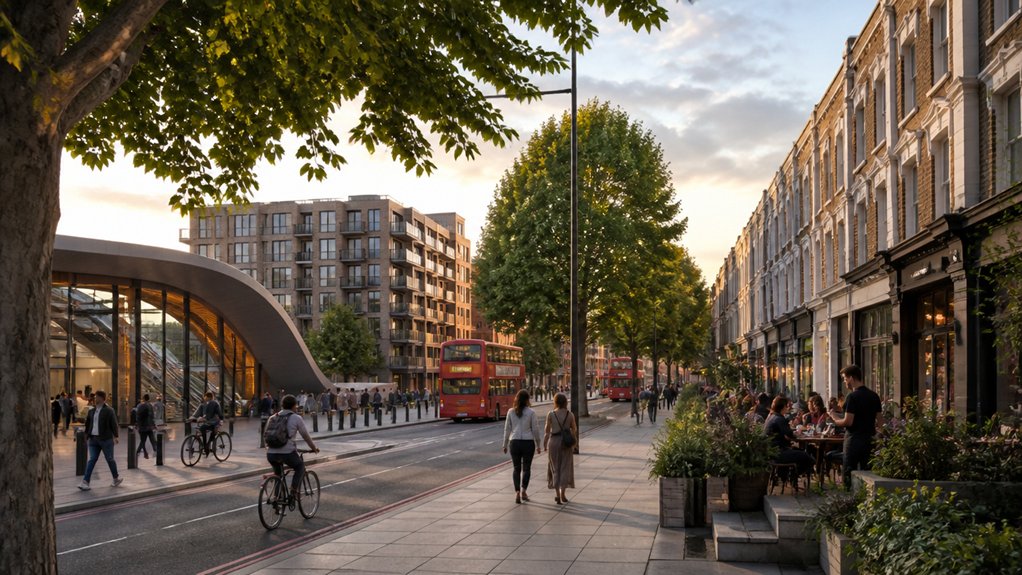
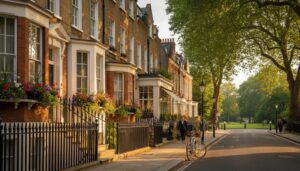
Walthamstow is popular because it combines Victorian character with a lively, well-connected neighbourhood feel. You’ll find Historic architecture throughout the area, from ornate terraces and converted villas to practical workers’ cottages with generous proportions. These homes reward careful renovation: preserve original fireplaces, cornices, timber floors, and front doors, then update kitchens, insulation, and services discreetly.
You can also enjoy an unusually varied daily rhythm. Walthamstow Market brings colour and convenience, while independent cafés, restaurants, studios, and local shops give the high street personality.
Families and outdoor enthusiasts benefit from green spaces, including Lloyd Park, Walthamstow Marshes, and Epping Forest nearby. Transport connections make commuting straightforward, yet quieter residential streets still offer a strong community atmosphere.
If you value character, amenities, and scope to improve a period property, Walthamstow deserves serious consideration.
How Is Walthamstow Regeneration Changing the Area?
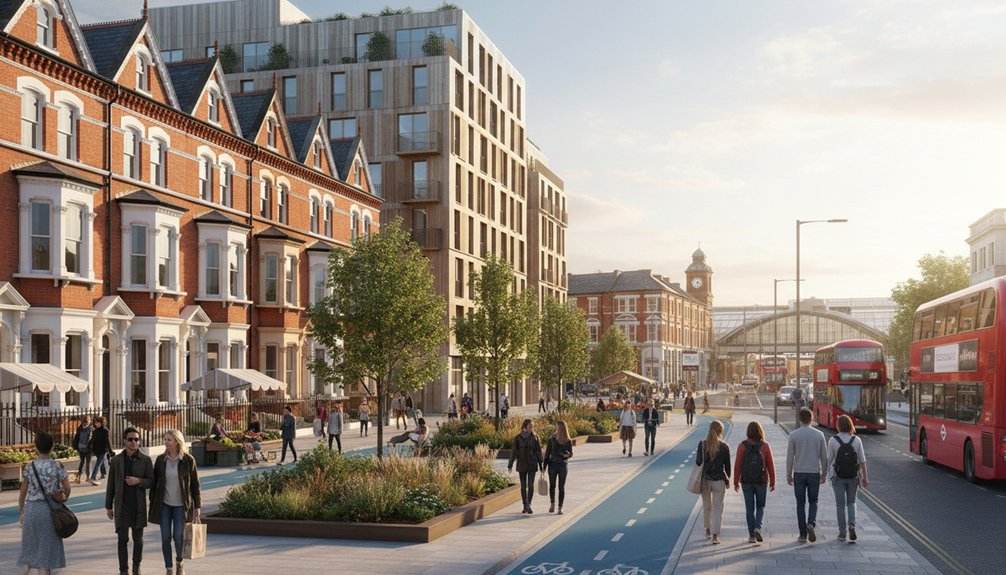
As investment arrives, regeneration is reshaping Walthamstow without erasing its local identity. You’ll see urban renewal in restored shopfronts, upgraded public spaces and carefully planned housing, while heritage buildings retain the details that give the area its character.
Improvements around transport corridors can make journeys smoother and support independent businesses, but effective regeneration goes beyond new construction. Through community development, local groups, schools and residents help influence facilities, cultural programmes and public-realm projects.
You’ll also find former industrial spaces adapted for creative work, bringing useful new life to the town’s architectural fabric. The best schemes balance energy efficiency with conservation, improving older homes without stripping away original features.
As the area evolves, you can expect stronger amenities, greener streets and a more resilient local economy.
Which Walthamstow Neighbourhoods Suit You Best?
Your ideal Walthamstow neighbourhood depends on whether you prioritise family space, a quick commute, or lively local character.
Choose restored Victorian streets and quieter corners for family-friendly living, or look near transport links if you’re commuting.
For cafés, markets, and a stronger buzz, consider areas where heritage homes meet vibrant community life.
Family-Friendly Areas
Which Walthamstow neighbourhood suits your family best depends on how you balance period character, outdoor space and everyday convenience. For Victorian terraces, browse the streets around Lloyd Park and Upper Walthamstow, where generous rooms, gardens and original fireplaces reward thoughtful renovation.
You’ll find Community parks close by, giving children space to play and you room for weekend walks, while independent cafés add a neighbourly rhythm.
If schools shape your decision, research School districts carefully and check catchment boundaries before viewing. South Walthamstow offers practical family houses and a lively local feel; Highams Park brings a quieter, greener setting with larger gardens and easy access to the forest.
Walthamstow Village suits you if you value character, boutiques and restored period homes, though compact plots and higher prices may influence your plans.
Look beyond polished interiors: inspect roofs, extensions, insulation and lease details before committing.
Best for Commuters
For commuters, Walthamstow’s best fit depends on how quickly you need to reach central London and how much period character you’re prepared to maintain.
Choose Walthamstow Central if commuter convenience tops your list: Victoria line trains provide a direct route, while Overground services extend your options. Homes around Hoe Street and the station often offer Victorian proportions, though you’ll need to budget carefully for roof repairs, rewiring and sash-window upgrades.
Walthamstow Queens Road suits you if you value Overground access and quieter residential streets, with terraces that can reward thoughtful modernisation.
Blackhorse Road works well for fast Victoria line journeys and attracts buyers seeking renovated industrial-era homes.
If you prefer maximum choice between transit hubs, consider the Central–Wood Street corridor, balancing reliable connections with period architecture and practical walking distances.
Vibrant Local Living
If lively days and sociable evenings matter most, Walthamstow Central and Hoe Street put cafés, independent shops, pubs and the market within easy reach. You’ll find Victorian terraces, converted workshops and characterful flats, with renovation potential behind period façades.
Explore local cuisine along Hoe Street, from family-run eateries to modern food halls, then browse antiques, records and handmade goods at nearby stalls.
For a calmer creative scene, Wood Street offers studios, bakeries and community events, while Lloyd Park and the William Morris Gallery add green space and heritage appeal.
If you prefer village-like charm, Upper Walthamstow brings leafy streets and independent businesses near Wood Street station.
Choose carefully: busy roads suit social butterflies, whereas side streets offer quieter evenings without losing convenient access to Walthamstow’s lively cultural heart.
What Does Property Cost in Walthamstow?
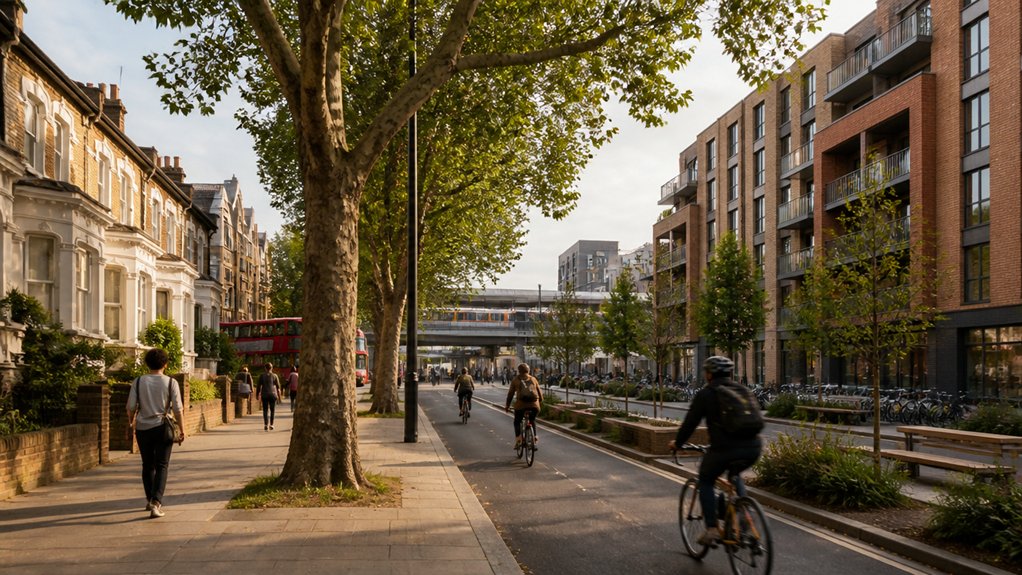
What does property cost in Walthamstow? You’ll find a broad range, shaped by street, property type, condition and period detail. Victorian terraces and converted flats often offer a more accessible entry point, while restored homes near sought-after village streets command stronger prices.
Recent Property trends suggest continued interest in character housing, especially where buyers can blend original fireplaces, cornicing and timber floors with modern kitchens and efficient heating.
Market affordability remains relative: Walthamstow can cost less than several neighbouring east London districts, yet renovation-ready homes require careful budgeting. You should allow for surveys, rewiring, insulation, roof repairs and planning considerations before making an offer.
A well-presented two-bedroom flat may suit first-time buyers, whereas larger period houses attract families seeking space, gardens and long-term value.
How Well Connected Is Walthamstow?
How well connected is Walthamstow? You’ll find practical public transport links that make commuting from this historic northeast London district straightforward. Walthamstow Central provides Victoria line services, reaching Oxford Circus and Victoria quickly, while Overground trains connect you towards Gospel Oak, Stratford and Barking.
Nearby stations, including Walthamstow Queen’s Road and Wood Street, add useful alternatives for daily journeys.
You’ll also benefit from frequent local buses, serving Leyton, Tottenham, Chingford and surrounding neighbourhoods. Road access via the North Circular and A406 helps if you’re carrying renovation materials or travelling beyond London, although traffic can be heavy.
These connectivity options let you balance characterful period homes with modern convenience. Before buying, check your intended property’s walking distance to stations, service patterns and noise levels, particularly around busier routes and rail corridors.
What Can You Do in Walthamstow?
You can explore Walthamstow Wetlands, where restored Victorian reservoirs meet open skies and wildlife.
Browse local markets for vintage finds, fresh produce, and practical pieces for a period-home renovation.
You’ll also find arts and culture in independent venues, galleries, and heritage spaces across the area.
Explore Walthamstow Wetlands
At Walthamstow Wetlands, you’ll find a rare blend of Victorian engineering, open water and urban wildlife across a 211-acre nature reserve. Walk the reservoirs’ paths and you’ll see how carefully restored infrastructure now supports both recreation and habitat.
Historic buildings, including the Grade II-listed Marine Engine House, add character while explaining the site’s original role in London’s water supply. Bring binoculars for excellent Birdwatching opportunities: herons, kingfishers, cormorants and seasonal migrants appear around the water’s edges.
You’ll also see Wildlife conservation in action, from managed reedbeds to nesting islands and protected banks. Climb the viewing platform for broad views towards the Walthamstow skyline, or follow quieter trails for photography and fresh air.
The wetlands offer a distinctive, low-cost escape, with heritage and renewal working together across the landscape.
Visit Local Markets
Where can you experience Walthamstow’s character in its most lively form? Head to Walthamstow Market, stretching along the High Street and offering a direct connection to the area’s local market history.
As you browse its long rows of stalls, you’ll find fresh produce, fabrics, household essentials, clothing, and global ingredients at approachable prices. Chat with market vendors, who often bring family knowledge and neighbourhood insight to their pitches.
Arrive early for the best choice, then explore the surrounding shops and cafés, many occupying Victorian and early twentieth-century buildings. You’ll notice how careful renovation is renewing tired frontages while preserving the market’s practical, community-led identity.
For a broader weekend browse, visit the farmers’ and makers’ stalls at nearby Lloyd Park, where seasonal goods complement your High Street shopping.
Enjoy Arts And Culture
Walthamstow’s arts scene brings local history into lively focus, from the William Morris Gallery’s beautifully restored Georgian setting and world-class designs to independent exhibitions, studios, and performances across the neighbourhood. You can explore Morris’s influence before wandering through Lloyd Park, where careful landscaping complements the gallery’s historic architecture.
Along Hoe Street and Wood Street, Street murals add colour to Victorian terraces, while independent galleries showcase emerging artists, photography, and design in adaptable shopfronts and renovated industrial spaces. Check local listings for open studios, theatre productions, live music, and creative workshops; many venues reveal how regeneration can preserve character while supporting new talent.
You’ll also find the E17 Art Trail connecting artists, makers, and community spaces, making an afternoon’s cultural itinerary easy to shape around cafés, markets, and heritage walks.
Is Walthamstow Right for Your Lifestyle?
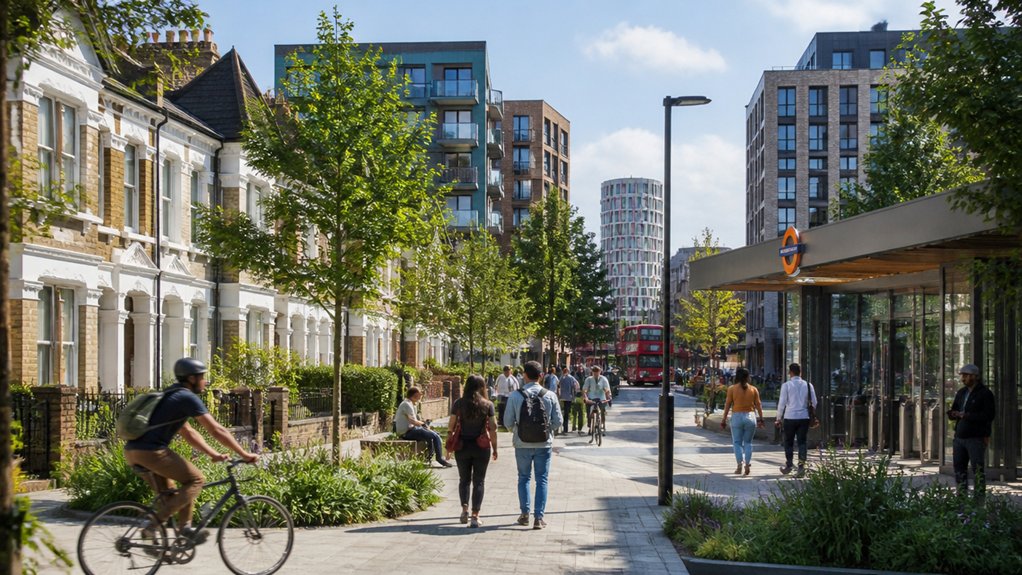
If you value character, community and practical transport, Walthamstow could suit your lifestyle remarkably well. You’ll find Victorian terraces, Edwardian details and compact cottages offering renovation potential, though older homes may need careful surveys, insulation upgrades and sympathetic restoration.
Community diversity shapes everyday life, from long-established residents to young professionals and families drawn by value and excellent connections. You can reach central London quickly via the Victoria line, Overground and reliable bus routes.
While enjoying the convenience of transport links, you can also take advantage of green spaces such as Lloyd Park and Walthamstow Wetlands, which provide room to breathe.
Local dining ranges from independent cafés and bakeries to global flavours along Hoe Street and Wood Street. If you prefer polished, uniform neighbourhoods, look elsewhere; Walthamstow rewards curiosity, tolerance and a willingness to embrace ongoing change without losing its heritage.
Conclusion
Walthamstow offers a compelling balance of heritage and renewal. You can admire Victorian streets, explore lively markets, and reach central London quickly via the Victoria line, while regeneration continues to improve homes and public spaces. Whether you’re seeking value, green space, culture, or connectivity, the area rewards close attention. Even a medieval guildsman would recognise its community spirit—though today’s residents benefit from faster trains and smarter renovations. If character matters, Walthamstow deserves your consideration.