
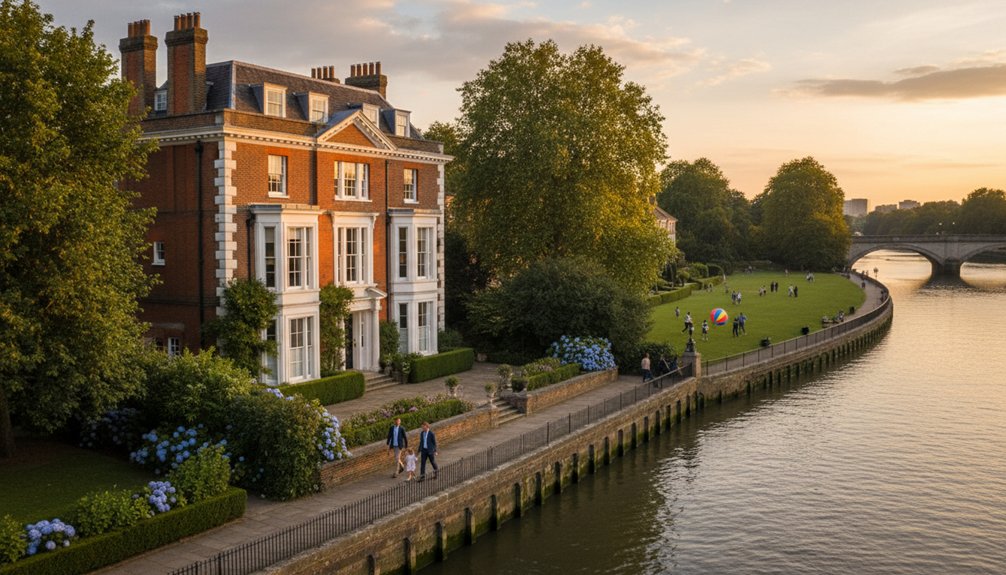
Many buyers don’t realise Richmond Upon Thames spans several distinct property markets, from riverside apartments to spacious homes beside Richmond Park. You’ll find excellent schools, strong transport links, and green space, but prices can change sharply between neighbouring roads. Your priorities—family space, school access, rental demand, or river views—will shape the best search strategy. The following guide explains where to look, what your budget can secure, and which details deserve closer attention.
Key Takeaways
- Richmond upon Thames offers varied homes, from period cottages and Victorian terraces to modern apartments and spacious family houses.
- Kew, Barnes, Richmond, and nearby areas each provide distinct lifestyles, amenities, transport links, and community atmospheres.
- School catchments significantly influence property choice and resale value, so review admissions criteria, Ofsted reports, boundaries, and application data.
- Riverside properties command premiums for views and location, but buyers must assess flood risk, insurance, maintenance, and potential view obstructions.
- Budget for stamp duty, surveys, legal fees, service charges, ground rent, council tax, insurance, and any necessary refurbishment or specialist works.
Why Buy in Richmond Upon Thames?

Richmond upon Thames offers a rare combination of riverside living, exceptional green space and strong transport links into central London, making it a compelling place to buy a home. You’ll benefit from a prestigious setting without sacrificing everyday convenience, with shops, restaurants, schools and services close at hand.
Property ranges from polished Luxury apartments to characterful historic cottages, giving you genuine choice across budgets, lifestyles and long-term plans.
Richmond’s parks, river walks and attractive streets also support enduring buyer demand, which can help protect resale value when market conditions change.
You should assess lease length, service charges, flood-risk information and transport noise before committing.
Strong rental appeal may suit investors, while owner-occupiers can prioritise space, light and access to green areas.
Always compare completed sales, not just asking prices.
Which Richmond Borough Areas Suit You?
Your choice depends on whether you want Richmond Town’s lively convenience, Kew’s village charm, or Barnes’ riverside appeal.
Richmond Town suits buyers prioritising transport, shops and amenities, while Kew offers a quieter feel with enduring family demand.
Choose Barnes for space, community character and attractive riverside living, but compare local prices and resale prospects carefully.
Richmond Town Living
Choosing where to live in Richmond upon Thames depends on the lifestyle, budget and long-term value you’re seeking. Richmond town suits you if you want cafés, independent shops, restaurants and fast rail connections within easy reach.
You’ll find period terraces, mansion flats and modern apartments, though riverside proximity and larger gardens command a premium. Local parks, including Richmond Green and Terrace Gardens, give you space to exercise, relax and meet neighbours, while Community events create a lively calendar throughout the year.
For investment, properties near the station and high street typically attract strong tenant demand, but check traffic, parking and conservation restrictions before committing. Compare service charges carefully on flats, and walk each street at different times.
You’ll gain convenience without sacrificing green space or long-term appeal.
Kew’s Village Charm
If Richmond town feels a little busy, Kew offers a quieter village atmosphere with cafés, independent shops and leafy streets close to Kew Gardens and the Thames.
You’ll find period cottages, Victorian villas and Historic architecture around Kew Green, creating strong visual appeal and varied housing choices.
Families often value the village’s calm streets, access to Kew Gardens and well-regarded schools, while commuters benefit from Kew Gardens and Kew Bridge stations.
Property here commands a premium, so compare floor area, garden quality and renovation costs before making an offer.
Local market trends typically show resilient demand, particularly for well-presented homes near the Green.
You’ll enjoy walkable amenities, but limited stock means you should register with several agents and move quickly when suitable properties appear.
Barnes Riverside Appeal
Barnes suits buyers seeking a village feel, riverside walks and a strong community atmosphere without leaving Richmond borough. You’ll find independent shops, cafés and restaurants around Barnes High Street, while the Thames Path and Barnes Pond provide everyday breathing space.
Watch River wildlife along the towpath, or explore local boating amenities, including rowing and sailing opportunities nearby. Families value the village’s primary schools and access to respected secondary options, although you should check catchment boundaries before making an offer.
Housing ranges from Victorian cottages to larger riverside homes, with period character often commanding a premium. If you’re investing, Barnes benefits from enduring owner-occupier demand and limited supply.
However, inspect flood-risk information and insurance costs carefully, particularly for properties closest to the river and low-lying streets.
What Can You Buy in Richmond?
Richmond offers a broad mix of homes, from period cottages and Victorian terraces to modern apartments, family houses and larger properties near Richmond Park. You’ll also find converted flats in character buildings, riverside developments and discreet new-build schemes.
Luxury apartments appeal if you value concierge services, secure parking and walkable access to the station, shops and river.
At the other end of the market, countryside cottages provide charm, gardens and a quieter feel around Ham and Petersham, though commuting and maintenance deserve careful consideration.
Families often prioritise larger terraces or semi-detached houses, while buyers seeking rental income should compare layouts, service charges and tenant demand.
Before viewing, define your budget, preferred tenure and renovation tolerance. Local streets vary considerably, so inspect each property and its immediate surroundings closely.
Which Richmond Schools Should You Compare?

School catchments can materially affect both your choice of home and its resale appeal, so compare them alongside price, space and transport links. Start with Ofsted reports and published School performance, but don’t treat a rating as the whole picture. Review admissions criteria, distance policies and previous allocation data, because boundaries can shift and popular schools may receive more applications than places.
In Richmond, compare primary options near Richmond Hill, North Sheen, Kew and East Sheen, then examine secondary choices across the borough and neighbouring Kingston or Hounslow where relevant. Visit schools, speak with current parents and assess travel times from each property.
Look beyond exam results: extracurricular activities, pastoral support, special educational needs provision and sixth-form pathways can shape daily life and long-term demand. Check catchment maps directly with each council before you offer.
What Do Riverside Homes Really Cost?
You’ll usually pay a premium for riverside positioning, but the uplift varies by view, access and flood risk.
Compare flats, period houses and modern developments by total purchase and running costs, not headline price alone.
Factor in service charges, insurance, maintenance and flood-related expenses before judging the investment.
Riverside Price Premiums
What does living beside the Thames really add to a Richmond upon Thames house price? The answer depends on outlook, access and flood exposure, not simply a river postcode.
A direct, uninterrupted view can command a substantial premium, particularly around Petersham, St Margarets and central Richmond, where buyers compete for scarce settings. You’re paying for daily scenery, quieter walks and enduring desirability: a genuine luxury waterfront address can attract stronger demand when you resell.
However, don’t assume every riverside road delivers the same uplift. Check flood-risk mapping, insurance terms, maintenance obligations and whether neighbouring buildings obstruct the view.
Compare recent sales of genuinely comparable homes, rather than relying on asking prices. A premium location should support long-term value, but you’ll protect your investment by pricing the lifestyle benefit realistically.
Property Types and Costs
Riverside premiums vary sharply by property type, so your budget needs to account for more than the postcode. Luxury apartments near Richmond Bridge, Petersham Meadows, or the riverfront typically command the highest prices, especially where you get direct views, concierge services, parking, or a private terrace.
You’ll often find better value slightly inland, where newer flats trade some outlook for larger layouts and easier transport access.
Victorian terraces remain popular with families seeking character, generous rooms, and outdoor space. Properties close to the river, Richmond Green, and sought-after schools attract strong competition, while homes needing modernisation can offer an entry point if you budget realistically for improvement works.
Semi-detached houses and substantial period homes sit at the upper end, particularly in Petersham and St Margarets. Compare price per square metre, room proportions, condition, and resale appeal—not just headline asking prices.
Hidden Ownership Expenses
Beyond the purchase price, riverside ownership can bring service charges, leasehold ground rent, flood and buildings insurance, maintenance, and higher repair costs.
In Richmond upon Thames, you should scrutinise every estimate, especially for flats near the Thames. Ask the managing agent for sinking-fund details, planned works, and the last three years of accounts.
Older riverside buildings may need roof repairs, façade maintenance, damp treatment, or flood-resilience improvements, creating substantial maintenance costs.
Freehold houses avoid some leasehold charges, but you’ll carry the full cost of gutters, drainage, landscaping, and insurance yourself.
Check whether your policy covers flood damage and alternative accommodation, rather than assuming standard buildings insurance does.
Budget for council tax, utility standing charges, and occasional specialist surveys too.
These hidden fees affect rental yields and resale appeal, so model them before you offer.
How Do You Buy a Home in Richmond?
Start by setting your budget, securing a mortgage agreement in principle, and choosing a Richmond estate agent who understands local streets, schools, transport links, and buyer demand.
Your Home loan should cover not only the deposit, but also stamp duty, surveys, legal fees, and potential refurbishment.
Register for alerts, view homes promptly, and compare each property’s price with recent sales nearby.
In Richmond, riverside outlooks, conservation areas, and excellent schools can command premiums, while flood risk, lease terms, and transport noise may affect future value.
When you find the right home, submit a researched offer, subject to survey and contract.
Your solicitor will handle searches and conveyancing before exchange makes the purchase binding.
A property auction follows different deadlines, so arrange finance and legal checks before bidding.
Frequently Asked Questions
What Are Richmond Upon Thames’ Council Tax Bands and Typical Annual Charges?
You’ll find Richmond upon Thames council tax in Bands A–H; your property valuation determines tax assessment. Typical 2024/25 annual charges range from about £1,460 in Band A to £4,380 in Band H, excluding local precepts.
How Accessible Is Richmond Upon Thames for Commuting by Car, Train, or River?
You’ll find Richmond highly accessible: trains reach central London quickly, while major roads support car commuting. Public transportation includes buses and river services; Scenic routes appeal on weekends, though traffic and parking demand careful planning.
What Are the Parking Rules and Permit Options for Richmond Residents?
You’ll find marked bays and controlled hours shaping daily parking. Apply for Parking permits through the council, checking eligibility, emissions bands, and visitor allowances. Resident parking varies by zone, so verify restrictions before buying.
Which Local Parks, Markets, and Community Facilities Are Available Beyond the Riverside?
You’ll find Local playgrounds, Richmond Green, Terrace Gardens, farmers’ markets, community centers, libraries, sports clubs, and leisure facilities beyond the river. Check council listings and transport links; these amenities strengthen everyday convenience and long-term property appeal.
What Should Buyers Know About Flood Risk, Conservation Areas, and Planning Restrictions?
Check Flood zones first: you’ll want insurance, surveys, and drainage evidence before committing. Conservation regulations may restrict extensions, windows, trees, and alterations, while planning conditions affect value—verify policies, permissions, and history with the council before exchanging contracts.
Conclusion
In Richmond upon Thames, you’re not just buying a home—you’re auditioning for membership of an unusually scenic, well-schooled club. You’ll pay handsomely for riverside views, leafy streets and a postcode that makes London commuting sound almost reasonable. Still, compare schools, inspect flood risk, test transport links and study service charges before falling for polished marketing. Whether you choose a cottage, apartment or family house, buy with your heart—but let local evidence hold the cheque.