
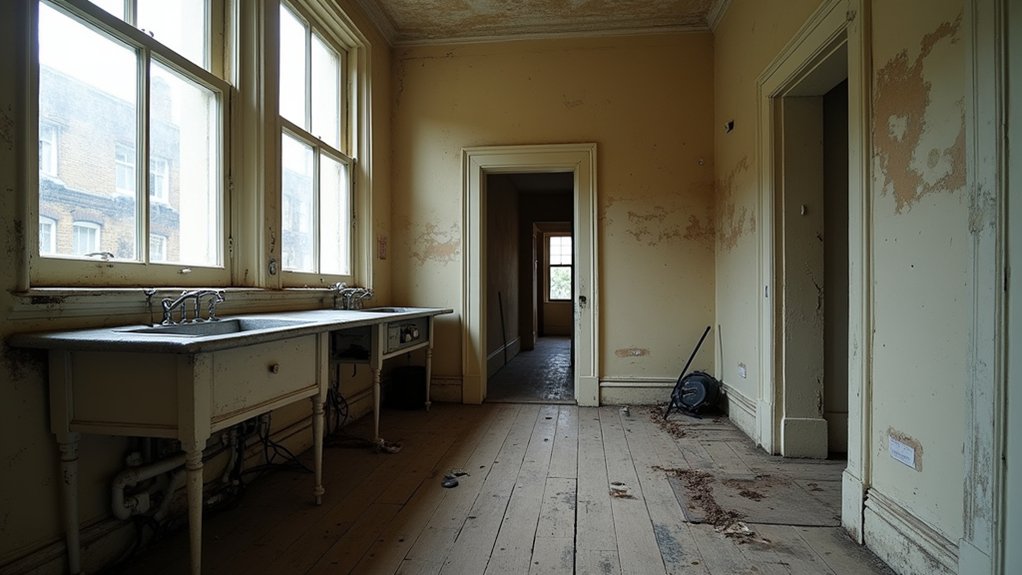
Before you choose paint colours or restore period details, survey the property and identify risks that could worsen or endanger occupants. Check the roof, damp, foundations, electrics, plumbing, heating, windows, doors, and access points, then confirm permissions, budget, and project phasing. Fix water ingress and structural faults first, followed by essential services and security. Only then should you renovate each room, because the correct order can prevent costly rework and protect the building’s character.
Key Takeaways
- Begin with a whole-property survey, permissions, budget, and safety assessment before planning room-by-room renovations.
- Repair roof leaks, damp, subsidence, structural cracks, unsafe masonry, and deteriorated timber before improving interiors.
- Upgrade electrical, gas, plumbing, heating, drainage, and fire-safety systems before installing new kitchens, bathrooms, or flooring.
- Renovate kitchens and bathrooms after testing services, waterproofing, ventilation, waste connections, and access to future maintenance.
- Improve bedrooms and living areas last, prioritising insulation, draught-proofing, storage, lighting, and preservation of original features.
Survey the Older London Property First

Before planning any renovation work, commission a full condition survey from a qualified professional familiar with older London properties. You’ll need an evidence-based assessment of foundations, walls, roof coverings, chimneys, floors, drainage, services, and signs of movement or damp.
Ask the surveyor to distinguish structural defects from moisture, ventilation, and maintenance problems, then record photographs, measurements, and urgent safety risks. Check timber for decay, masonry for displaced joints, and electrical or gas installations for unsafe alterations.
Don’t conceal defects with finishes until you understand their causes. The report should also identify original fabric, significant features, and materials requiring specialist treatment, supporting Historic preservation.
Note potential neighborhood impact from unstable structures, dust, noise, or scaffolding, so you can sequence technical investigations responsibly before selecting renovation priorities.
Check Permissions, Budget and Phasing
Before work begins, check whether you need planning permission, listed-building consent, or building-regulations approval.
Set a realistic budget that includes surveys, professional fees, contingency, and safety upgrades.
Then phase the renovation logically, prioritising structural and compliance work before finishes.
Understand Planning Permissions
Planning permission should be your first checkpoint for structural alterations, extensions, changes to a building’s use, or work affecting a listed property or conservation area. Confirm your council’s requirements before instructing contractors.
Check whether you need full planning consent, a lawful development certificate, listed-building consent, or conservation-area approval. Don’t assume permitted development rights apply; London boroughs may restrict them through Article 4 directions.
Separately, building regulations control structural stability, fire safety, insulation, ventilation, drainage, and accessibility, so approval may still be necessary when planning permissions aren’t. Ask your building control body to confirm the correct application route.
For listed buildings, consult a conservation officer before removing fabric or altering features. Keep written decisions, drawings, surveys, and conditions, then sequence work only after approvals are secured.
Set a Realistic Budget
Once permissions and building-control requirements are clear, set a budget that reflects the property’s age, condition, and regulatory constraints.
Obtain detailed quotations from qualified contractors, allowing a 15–20% contingency for concealed defects, asbestos, damp, outdated wiring, and structural movement.
Include professional fees, surveys, application charges, temporary protection, waste removal, and VAT.
If your home has historical significance, conservation requirements may restrict materials, windows, finishes, or repair methods, increasing costs.
Assess insurance implications and confirm that contractors hold appropriate qualifications and liability cover.
Price essential safety work—fire separation, electrical upgrades, gas checks, and structural repairs—before cosmetic improvements.
Research local labour rates, access limitations, parking, and neighborhood amenities, which can affect deliveries and contractor time.
Check each quotation’s scope, exclusions, payment schedule, and warranty terms before committing.
Don’t rely on optimistic allowances.
Plan Renovation Phases
Sequence the work around permissions, budget control, and safety-critical tasks, rather than tackling rooms in isolation. First, confirm whether your property is listed or lies within a conservation area. Contact your council’s planning and building-control teams before altering walls, windows, roofs, drainage, or services. Obtain specialist advice where Historical preservation requirements restrict materials or methods.
Next, commission surveys for structure, damp, asbestos, electrics, gas, and plumbing. Resolve urgent hazards and water ingress before decorative work. Price each phase, add a 15–20% contingency, and reserve funds for compliance upgrades. Schedule disruptive works together, then complete kitchens, bathrooms, and finishes after dusty construction ends.
Coordinate trades through a written programme, protect occupied areas, and inspect completed stages. Treat interior design trends as flexible; prioritise durable, repairable finishes that suit the building’s character and future maintenance needs. Keep approvals, certificates, invoices, and warranties in one project file.
Fix Roof, Damp and Structural Problems
Before upgrading kitchens, bathrooms, or finishes, have a qualified professional inspect and address roof leaks, penetrating or rising damp, subsidence, defective masonry, and other structural faults.
Arrange urgent Roof repairs where coverings, flashings, gutters, or chimney details allow water entry.
Don’t simply paint over staining: trace the source, measure moisture, and specify appropriate damp treatment for the building’s construction.
In older London homes, avoid impermeable coatings that can trap moisture in solid walls.
Have a structural engineer assess cracking, movement, bowing walls, damaged lintels, or failed foundations, and obtain necessary approvals before work begins.
Support unstable areas only through competent contractors and keep occupants away from hazardous zones.
Resolve drainage defects and improve external ground levels where they drive damp.
Document findings, repairs, warranties, and monitoring results.
Upgrade Electrics, Plumbing and Heating
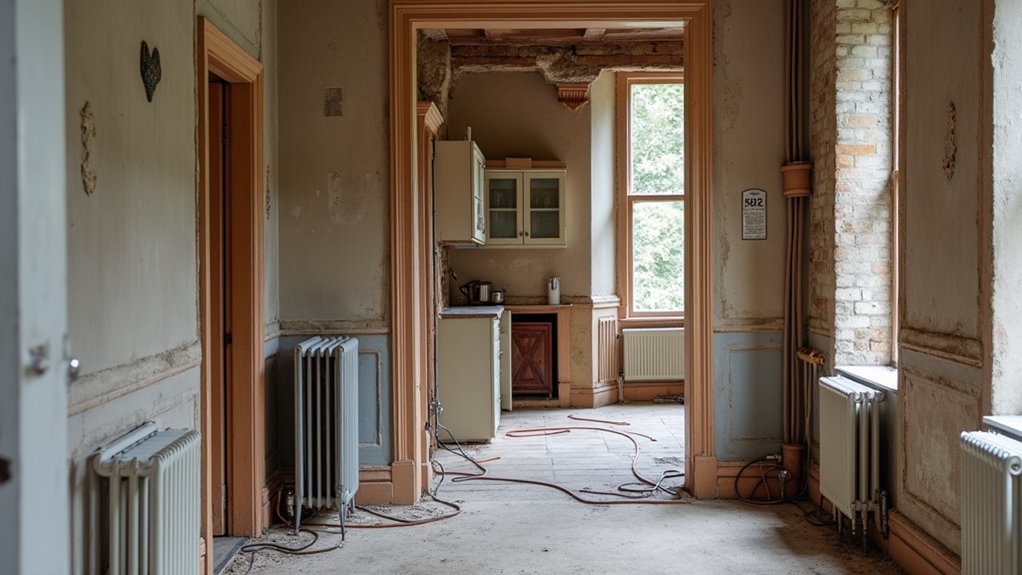
Upgrade electrics, plumbing, and heating only after defects affecting the building’s safety and fabric have been identified. Ask a qualified electrician to inspect the consumer unit, earthing, bonding, cable condition, and circuit capacity. Replace obsolete wiring and add RCD protection where required, then obtain appropriate certification.
Have a registered plumber check supply pipes, stopcocks, waste runs, leaks, and water pressure. Replace lead pipework and failing joints, while protecting vulnerable routes from freezing.
A heating engineer should service the boiler, test flues and controls, and assess radiators, valves, and insulation before recommending replacement.
Install Smart thermostats only after balancing and commissioning the system. Choose Energy efficient lighting, but verify fittings, loading, and bathroom zones.
Keep services accessible, label circuits and isolation valves, and coordinate all work with building regulations and ventilation requirements. Don’t conceal defects beneath new finishes.
Secure Doors, Windows and Access Points
Secure doors, windows, and access points after repairing structural defects, damp, and unsafe openings. Begin with a survey of frames, locks, hinges, glazing, and external doors. Replace deteriorated timber, loose hardware, and single-point latches that fail to resist forced entry.
Fit British Standard BS 3621 mortice locks to solid entrance doors, and use laminated or toughened safety glass where replacement is necessary. Confirm window locks meet current security standards without compromising emergency escape from bedrooms.
Install door viewers, security chains, and external lighting, while keeping sightlines clear around entrances. Consider security upgrades such as burglar alarms, cameras, and connected doorbells, but protect devices and passwords from unauthorised access.
Use controlled keys or electronic access control for shared entrances, and notify your insurer before completing major changes to locks or doors.
Make the Kitchen Safe and Functional
Make your kitchen safe by having electrical circuits, sockets, and appliances inspected for faults, overloading, and inadequate earthing.
Fix leaking pipes, poor drainage, and damaged seals promptly to prevent water damage and mould.
Improve the storage layout so you can access essentials safely while keeping work surfaces, walkways, and heat sources clear.
Check Electrical Safety
Before renovating an older London kitchen, have a qualified electrician inspect the wiring, consumer unit, sockets, and fixed appliances for faults, overloading, inadequate earthing, and signs of heat damage.
Electrical safety inspections should include testing protective devices, checking circuit continuity, and confirming that residual current devices (RCDs) provide effective shock protection.
Ask your electrician to identify outdated fuse boards, cracked accessories, loose connections, and cables hidden behind units.
Plan wiring upgrades before installing new ovens, hobs, dishwashers, or refrigeration, because added loads may exceed existing circuit capacity.
You’ll need dedicated circuits, correctly rated cables, suitable isolation switches, and proper bonding where required.
Don’t conceal defects behind cabinetry or rely on adapters for permanent appliances.
Keep certification and test results, and use a competent electrician familiar with current UK wiring regulations.
Fix Plumbing Issues
Address plumbing faults before fitting new units, appliances, or flooring, because leaks, poor drainage, and inadequate water pressure can damage the kitchen and create hygiene risks. Inspect supply pipes, isolation valves, traps, and waste connections for corrosion, movement, and persistent damp. Test every joint under pressure, and replace defective washers, flexible hoses, or galvanised sections rather than concealing them.
Check that waste pipes have adequate falls and that appliances discharge through correctly sized, accessible connections. If you find lead supply pipes, damaged drains, or recurring blockages, use a qualified plumber and arrange appropriate testing.
Protect historical features, such as original taps, only when they’re sound and hygienic; otherwise, restore or replace them safely.
Basic DIY tips include shutting off the mains, labelling valves, and drying spills immediately. Don’t disturb suspected asbestos-containing lagging.
Improve Storage Layout
Once the plumbing is sound, reorganise storage so the kitchen remains safe, accessible, and efficient. Remove unstable shelves, overloaded cupboards, and units that obstruct circulation. Keep heavy pans in lower drawers, store knives in secure inserts, and place frequently used items between waist and shoulder height.
Check that wall cabinets are securely fixed to suitable masonry or studs, particularly in older London properties. Fit soft-close hinges and full-extension runners to reduce trapped fingers and improve access.
Don’t block boiler controls, stopcocks, sockets, ventilation grilles, or appliance clearances. Measure before replacing units, allowing safe door swings and a clear working route.
You can retain Vintage fixtures and decorative moldings, but protect them from heat, moisture, and impact. Label awkward cupboards, improve lighting, and choose moisture-resistant finishes for durable, hygienic storage.
Renovate the Bathroom for Efficiency
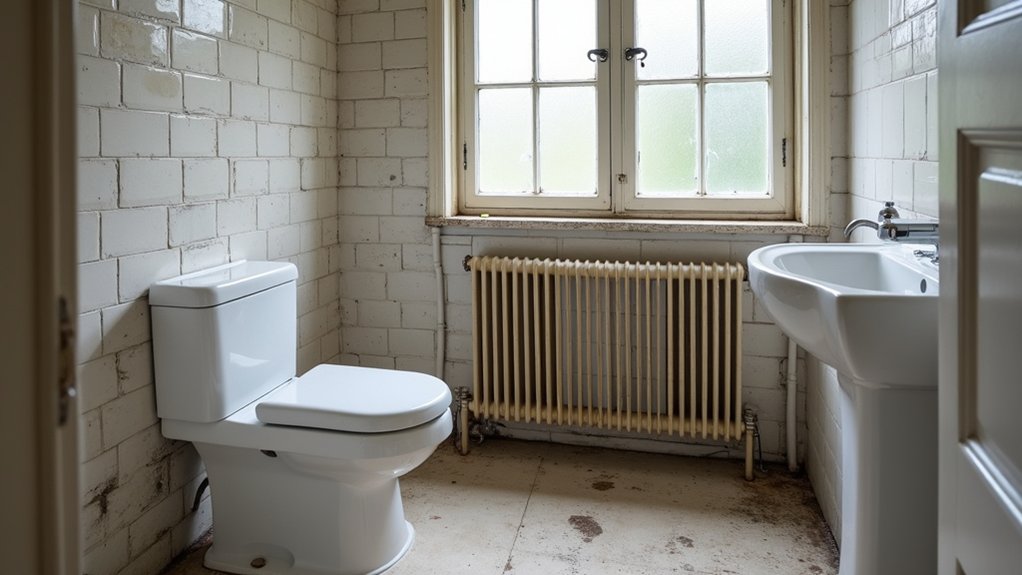
Renovating an older bathroom can improve water efficiency, safety, and daily usability, but you should first inspect the plumbing, electrical systems, ventilation, and waterproofing for defects. Hire qualified professionals to test earthing, bonding, circuit protection, pipe condition, leaks, and concealed moisture before opening walls or floors.
Upgrade inefficient bathroom fixtures with low-flow taps, dual-flush toilets, thermostatic shower controls, and accessible isolation valves. Choose products with compatible connections and check water pressure before installation. Repair leaks promptly, replace deteriorated seals, and use corrosion-resistant fittings.
Effective Bathroom ventilation limits condensation, mould, and structural damage. Clean existing extract fans, verify airflow, and install humidity-controlled extraction where necessary.
Protect wet areas with suitable tanking, sealed joints, and slip-resistant flooring. Plan access for future maintenance, and confirm every alteration meets current building regulations and electrical safety requirements.
Seal Draughts and Restore Windows
Sealing draughts and restoring older windows can reduce heat loss, condensation, and noise, but inspect frames, glazing, lintels, and surrounding masonry first for rot, cracking, damp, or movement.
Arrange a qualified survey if you find structural defects, lead paint, or signs of asbestos-containing sealants.
For timber sashes, prioritise window restoration: repair rotten sections, ease sticking sashes, replace failed putty, and repaint exposed wood with suitable exterior coatings.
Don’t remove original glass unnecessarily; secondary glazing may improve performance while preserving character.
Apply discreet draught proofing to meeting rails, staff beads, and casements, ensuring you don’t obstruct ventilation or emergency egress.
Check locks, catches, restrictors, and safety glass, particularly above ground level.
Seal perimeter gaps with compatible, vapour-aware materials, then monitor condensation after completion.
Protect listed features by obtaining consent before alterations.
Warm Up Bedrooms and Add Storage
You’ll improve bedroom insulation by upgrading loft or roof insulation and checking wall junctions for cold bridging, while maintaining required ventilation.
Maximise built-in storage with secure, load-rated units that suit the room’s structure and don’t obstruct escape routes, windows, radiators, or electrical access.
Use fire-safe materials and have electrical or structural alterations assessed by a qualified professional.
Improve Bedroom Insulation
Because older London bedrooms often lose heat through poorly insulated walls, roofs, windows, and suspended floors, start with a room-by-room heat-loss assessment before choosing upgrades.
Check for damp, mould, defective pointing, and roof leaks first; insulation mustn’t conceal moisture or obstruct ventilation.
Upgrade loft insulation to current standards, using fire-safe, compatible materials and maintaining eaves airflow.
For solid walls, obtain specialist advice before applying internal insulation, because it can create condensation and reduce room area.
Seal draughts around windows and doors, but don’t block designed airbricks or vents.
Consider secondary glazing or carefully specified replacement units where appropriate.
Keep bedroom ventilation effective, particularly after improving airtightness, and use a carbon-monoxide alarm near fuel-burning appliances.
Coordinate lighting enhancements with insulation work, protecting cables from overheating and ensuring electricians certify alterations.
Check fire doors, escape windows, and radiators remain accessible.
Maximise Built-In Storage
Maximise built-in storage by fitting wardrobes, cupboards, or window-seat drawers against the room’s coldest suitable walls, while keeping radiators, airbricks, vents, electrical outlets, and escape windows unobstructed.
Built-in cabinets can reduce heat loss at external walls, but don’t seal damp masonry behind them. Leave a ventilated void, use moisture-resistant boards where necessary, and inspect for staining, mould, or penetrating damp before installation.
Choose storage solutions with adjustable shelves so you can store clothes without blocking airflow around heaters.
Secure tall units to wall studs or suitable masonry, especially in children’s rooms, and avoid overloading fixings.
Maintain required escape routes and opening sizes at windows; don’t fit deep furniture beneath emergency exits.
Coordinate joinery with insulation work, skirting, and sockets, then seal service penetrations carefully without trapping moisture.
Guarantee doors open freely and alarms remain visible.
Refresh Living Rooms Without Losing Character
Start by evaluating the room’s original features—cornices, ceiling roses, fireplaces, timber floors and joinery—before planning upgrades, so you can improve comfort without removing its character. Repair cracks, test suspect plaster, and have a qualified professional inspect fireplaces, chimneys, wiring and gas appliances before use.
Improve insulation carefully: use breathable materials around solid walls and avoid sealing damp masonry, which can trap moisture.
Upgrade lighting with dimmable, energy-efficient fittings, while retaining period switches only if an electrician confirms they’re safe.
Plan your furniture arrangement to preserve circulation, protect radiators, and keep exits unobstructed.
Choose reversible finishes, such as limewash or low-VOC paint, and protect original floors during work.
Add decorative accents through rugs, curtains and artwork rather than permanent alterations.
Record defects and obtain listed-building advice before changing significant features.
Frequently Asked Questions
How Can I Preserve Original Victorian or Edwardian Features During Renovation?
You can preserve Victorian or Edwardian details through historical accuracy and careful feature preservation: document existing elements, repair rather than replace, match materials, consult conservation specialists, and verify electrical, structural, and fire-safety upgrades discreetly.
What Insurance Should I Arrange Before Starting Work on an Older London Property?
Arrange specialist renovation insurance covering buildings, public liability, contractor risks, and unoccupied periods. Tell insurers about Historical significance, listed status, and Preservation techniques; verify contractors’ cover, exclusions, excesses, and accidental-damage protection before work begins.
How Do I Choose Reliable, Experienced Tradespeople for a Period-Property Renovation?
Compare portfolios, verify references, check insurance, and confirm heritage experience. Require Historical accuracy, Material sourcing expertise, written scopes, staged payments, and method statements. Interview specialists, inspect previous work, and never skip safety documentation.
What Should I Do if Renovation Work Uncovers Asbestos or Lead Paint?
Stop work immediately, isolate the area, and don’t disturb suspect materials. Arrange professional asbestos removal and lead paint testing, notify your contractor, keep occupants away, and follow UK regulations for disposal, clearance, and reoccupation.
How Can I Minimise Disruption to Neighbours During Building Work?
Treat disruption like a controlled ripple: prioritise neighbour communication, share schedules, and provide contact details. Use noise management, restrict hours, suppress dust, protect shared areas, secure waste, and resolve complaints promptly throughout construction.
Conclusion
Renovating an older London property isn’t about choosing the prettiest room first; it’s about making sure the building won’t undermine your plans. Survey it, secure permissions, and phase the work realistically. Repair the roof, damp, structure, services, and access points before refining each room. Then improve bathrooms, windows, bedrooms, storage, and living spaces while protecting character. It may feel less glamorous, but your most beautiful finish is one that doesn’t conceal a dangerous fault.