

Living in Camden puts you close to London’s culture, strong transport links, and varied property opportunities. You can choose between lively streets, quieter residential pockets, and homes with renovation potential, from Victorian terraces to modern flats. Costs remain competitive for such a connected area, but location and condition can considerably affect value. If you’re weighing lifestyle against long-term returns, the right Camden neighbourhood could make all the difference.
Key Takeaways
- Camden combines period architecture, modern developments, lively markets, independent shops, diverse dining, music venues, and vibrant nightlife.
- Residents enjoy Regent’s Park, Primrose Hill, cycling routes, walkable streets, and quieter green-space neighbourhoods.
- Camden Town, Chalk Farm, Mornington Crescent, Camden Road, buses, and nearby King’s Cross provide excellent London-wide connectivity.
- Property ranges from Victorian terraces to flats, with renovation potential but careful checks needed for leases, service charges, and conservation restrictions.
- Camden commands premium prices and rents, so buyers and investors should assess sold prices, yields, council tax, maintenance, licensing, and refurbishment costs.
What Is Living in Camden Really Like?
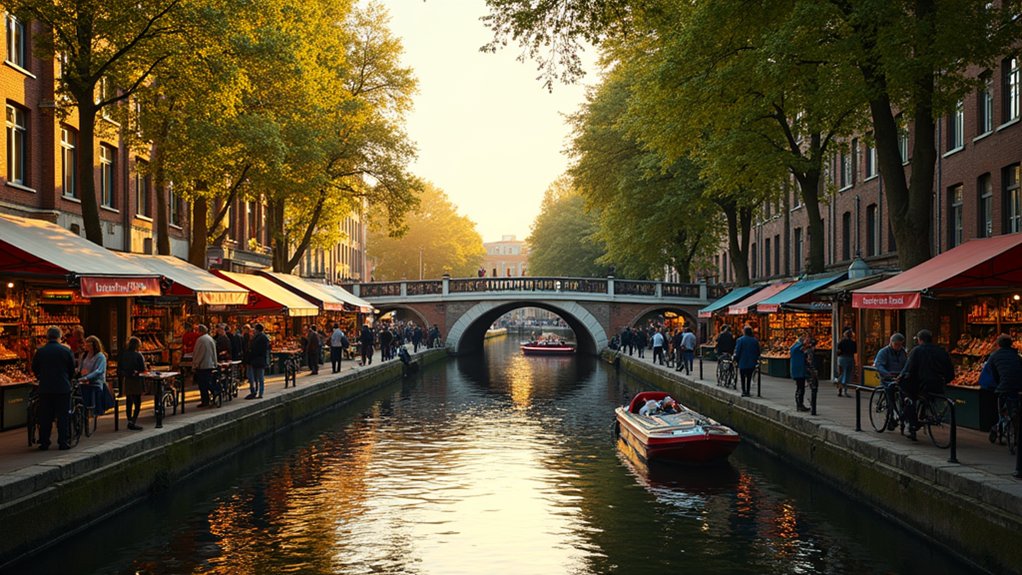
Living in Camden means balancing period charm with a fast-changing property market, where Victorian terraces, converted flats, and modern developments appeal to buyers seeking character and investment potential.
You’ll find an energetic lifestyle shaped by independent traders, local nightlife, cultural festivals, and reliable connections across London.
That appeal supports strong rental demand, but you’ll need to assess noise, service charges, lease length, and renovation restrictions before committing.
Period homes can reward thoughtful upgrades: restore original features, improve insulation, modernise kitchens, and create flexible workspaces without erasing character.
Flats may offer lower entry costs, though building maintenance and communal costs require careful scrutiny.
If you’re buying, compare completed sales rather than optimistic asking prices, calculate refurbishment budgets accurately, and prioritise adaptable layouts that should remain attractive to future residents and investors.
Which Camden Neighbourhood Suits You?
Your ideal Camden base depends on whether you prioritise Camden Town energy, Primrose Hill charm, or Kentish Town community.
Consider how each area’s buyer demand, rental appeal, and renovation potential align with your goals.
You’ll find the strongest fit by matching lifestyle preferences with long-term investment value.
Camden Town Energy
Camden isn’t one-size-fits-all: choose lively Camden Town for strong rental demand and renovation potential, polished Primrose Hill for long-term capital growth, or quieter Kentish Town for more space and value.
In Camden Town, you’ll buy into constant movement: street art, independent shops, food stalls and music venues keep footfall high, supporting resilient tenant demand.
Period conversions and compact terraces can offer attractive upside if you modernise kitchens, improve insulation and reconfigure awkward layouts without erasing character. You’ll need to price works carefully, as competition and refurbishment costs can compress returns.
Prioritise properties near the market, Underground and major bus routes, then assess licensing, service charges and lease length before offering.
This neighbourhood suits you if you’re comfortable managing noise, turnover and hands-on projects for potentially stronger rental performance.
Primrose Hill Charm
If Camden Town’s buzz feels too intense, Primrose Hill offers a calmer investment profile built around village-like streets, period architecture and enduring lifestyle appeal.
You’ll find elegant Victorian terraces, mansion flats and converted mews homes, with renovation potential ranging from cosmetic upgrades to carefully managed period restorations. Protect original fireplaces, cornicing and sash windows, then modernise kitchens, insulation and bathrooms to strengthen resale appeal without erasing character.
Historic landmarks, independent cafés and scenic parks create a premium lifestyle proposition, while Primrose Hill’s skyline views support sustained rental demand.
You’ll pay more for location and limited supply, so scrutinise lease terms, service charges and consent requirements before bidding.
For long-term value, prioritise light, outdoor space and flexible layouts—features that help your property outperform less distinctive Camden stock.
Kentish Town Community
For buyers who value community as much as connectivity, Kentish Town offers a compelling balance of Victorian character, independent businesses and practical transport links.
You’ll find a sociable neighbourhood where cafés, pubs and specialist shops create steady footfall, supporting resilient rental demand.
Local festivals, residents’ groups and community gardens give the area an approachable, village-like rhythm, while Northern line and Thameslink services strengthen its appeal to commuters.
For property investors, period terraces and conversions can offer renovation upside, particularly where you improve layouts, insulation and outdoor space without erasing original details.
Check conservation constraints, lease terms and refurbishment costs before bidding.
You’ll also benefit from proximity to Hampstead Heath and Gospel Oak, lifestyle assets that can protect resale appeal.
If you want community energy with measurable growth potential, Kentish Town deserves serious consideration.
How Easy Is It to Travel From Camden?
You’ll find strong Camden transport links, with Underground, Overground, bus, and rail connections making daily travel straightforward.
That accessibility can strengthen rental demand and support returns when you’re renovating or evaluating a property investment.
You’ll also reach key London districts quickly, helping your home appeal to professionals and future buyers.
Camden Transport Links
Getting around from Camden is straightforward, with fast Tube, Overground, bus and rail connections linking you to central London, major employment hubs and beyond. You’ll find Northern line stations at Camden Town, Chalk Farm and Mornington Crescent, while Camden Road Overground adds useful east–west access.
Frequent buses support local journeys, and nearby King’s Cross expands your rail options without requiring a long commute. Public transit makes Camden particularly attractive to professionals, renters and buyers seeking dependable connectivity.
You’ll also benefit from improving Cycling infrastructure, with quieter routes and secure cycle parking supporting greener travel. For investors, transport access can strengthen rental demand and resale appeal.
If you’re renovating, a dedicated bike store, practical hallway storage and improved soundproofing can help your property compete in this transport-led market.
Getting Around London
How easily can you reach London’s key destinations from Camden? Very easily. With Northern, Jubilee, Metropolitan and Overground services nearby, you can reach the West End, City, King’s Cross and Canary Wharf with minimal changes.
Reliable buses add flexibility, while walking connects you to offices, markets and cultural venues within minutes.
Bicycle commuting suits Camden’s compact streets and growing cycle network, helping you cut costs and travel predictably.
Check secure storage when comparing flats, as it can strengthen rental appeal after renovation.
Parking availability remains limited and often expensive, so a property with an allocated space commands a premium—but don’t overpay if you’ll mainly use public transport.
For investors, Camden’s connectivity supports strong tenant demand, quicker letting and resilient resale prospects.
Upgrading insulation, storage and transport-friendly features can further differentiate your home in this competitive market.
How Much Does It Cost to Live in Camden?
Living in Camden can command a premium, but smart budgeting and renovation choices can make the area a compelling long-term investment. Expect higher purchase prices and rents than many outer London districts, particularly near the Northern line, Regent’s Canal, and sought-after conservation streets.
For a realistic cost comparison, review sold prices, service charges, council tax bands, and mortgage rates—not just listing figures.
You’ll typically pay more for period terraces, yet well-planned upgrades, such as improved insulation, reconfigured kitchens, or loft conversions, can strengthen resale value and rental demand.
Rental affordability depends on your household income, property size, and proximity to transport.
If you’re buying to let, calculate void periods, licensing costs, maintenance, and agent fees before committing.
A survey can uncover defects that materially affect your renovation budget and returns.
Where Do Camden Locals Eat, Shop and Go Out?
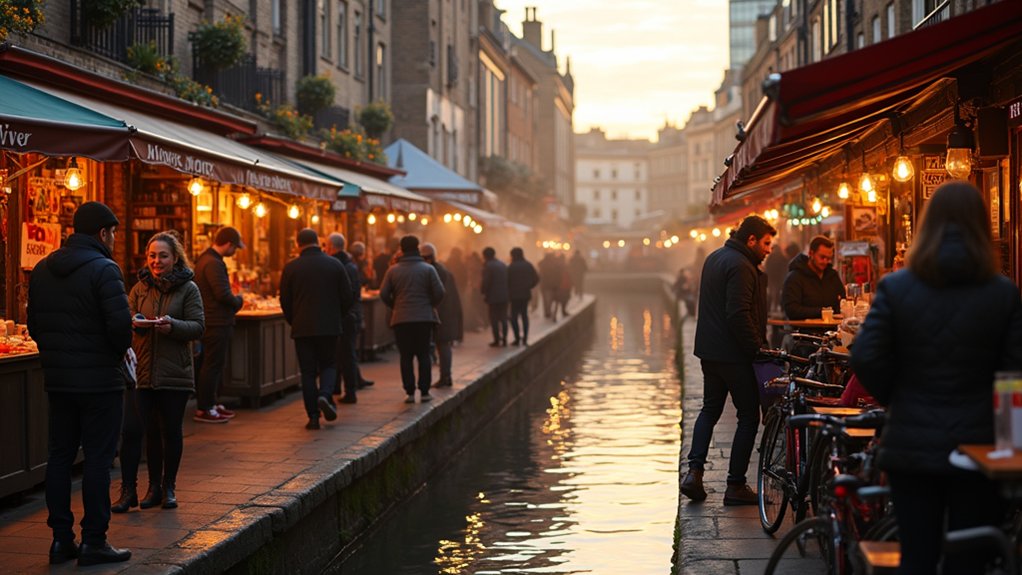
Camden’s best local spots combine everyday convenience with the character that supports strong property demand: you can eat well around Camden Market and Kentish Town, shop independent boutiques and food stalls along Chalk Farm Road, and find live music, pubs, and late-night venues near the High Street.
Local food hotspots range from global street-food traders to established gastropubs, giving you variety without relying on chain restaurants.
Explore Unique shopping districts around Camden Passage, Inverness Street, and Primrose Hill for vintage pieces, design-led gifts, and specialist groceries.
These amenities strengthen rental appeal, particularly for renovated flats with practical kitchens and flexible living areas.
If you’re evaluating an investment, map walking distances to busy venues, then consider noise, insulation, and glazing before committing.
Strong presentation can convert location into dependable demand.
Is Camden a Good Place to Live?
Is Camden a good place to live? If you value culture, connectivity and renovation potential, it can be an excellent choice. You’ll find lively markets, independent venues and fast links across London.
While period terraces and converted flats offer opportunities to add value through thoughtful upgrades, your budget will determine the experience. Prime streets command premium prices, but less polished homes may reward buyers who can modernise kitchens, improve layouts or enhance energy efficiency.
Research lease terms, service charges and conservation restrictions before committing.
Local schools vary, so check Ofsted reports and catchment boundaries if you’re planning for a family.
You’ll also benefit from green spaces, including Regent’s Park and Primrose Hill, although quieter streets can carry a premium.
Strong rental demand supports investment, but assess yields carefully against purchase costs and refurbishment risk.
Frequently Asked Questions
What Healthcare Facilities and GP Services Are Available to Camden Residents?
You’ll find strong Healthcare access through Camden GP clinics, NHS hospitals, pharmacies, dentists, and urgent-care centres. Check registration areas, appointment capacity, and nearby facilities when comparing properties, protecting convenience, rental appeal, and long-term investment value.
Which Schools and Nurseries Serve Families Living in Camden?
You’ll find Camden primary and secondary schools, including highly regarded options reflected in School rankings, plus varied Nursery options. Compare Ofsted results, catchments, fees, and renovation potential nearby to protect resale value and investment returns.
How Safe Is Camden, and What Are the Local Crime Statistics?
Camden’s safety varies by neighbourhood; check current Met Police data for precise crime statistics before buying. Strengthen Neighborhood safety through lighting, locks, and cameras. Prioritise Crime prevention, then factor security upgrades into renovation budgets and investment returns.
What Council Services and Rubbish Collection Arrangements Apply in Camden?
You’ll arrange rubbish and Waste recycling through Camden Council’s collection services; check your schedule and report missed pickups online. You’ll pay Council tax rates funding local services. Measure twice, cut once: verify charges before renovating or investing.
Are There Community Groups and Activities for Newcomers in Camden?
Yes, you’ll find community groups, newcomer meetups, workshops, and local events across Camden. Join community engagement initiatives to build networks, discover neighbourhood opportunities, and strengthen your property investment through informed, connected ownership.
Conclusion
Living in Camden puts you at the centre of London’s energy, where market stalls, music venues and leafy Regent’s Park shape your daily rhythm. You can choose Victorian terraces for renovation potential, modern flats for convenience, or character homes near Primrose Hill for long-term appeal. With superb transport and enduring rental demand, Camden supports both lifestyle and investment goals. If you’re ready to balance bold design with calculated returns, this neighbourhood gives you plenty of room to create value.