

Imagine buying a Georgian terrace near Hampstead Heath, only to discover that its period façade, conservation status and school catchment shape every renovation decision. When you live in Hampstead, you’ll weigh character homes, modern flats and premium prices against excellent schools, reliable transport and rare access to woodland, ponds and open lawns. Your budget may stretch further in nearby pockets, but local knowledge matters—especially when the right street, planning rules and green-space access could change the value equation.
Key Takeaways
- Hampstead combines village charm, cultural life, excellent transport links, and easy access to central London.
- Housing ranges from period cottages and Victorian terraces to converted flats, mews houses, and luxury apartments.
- Property prices vary considerably by location, condition, proximity to Hampstead Heath, and available space.
- Families should verify current school catchments, admissions policies, deadlines, commuting needs, and private-school alternatives.
- Hampstead Heath, Primrose Hill, and Golders Hill Park provide extensive opportunities for walking, swimming, recreation, and community activities.
What’s It Like Living in Hampstead?
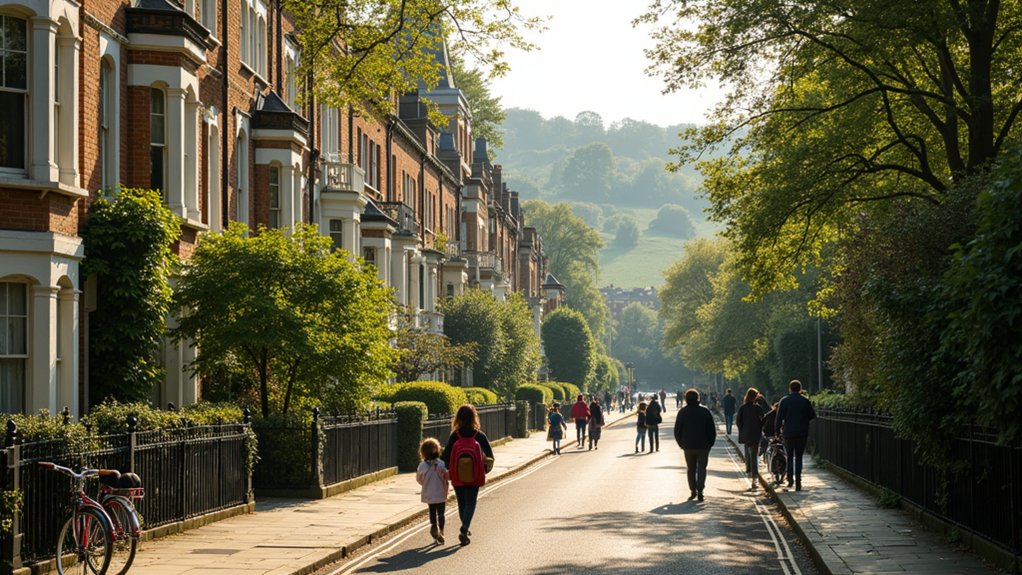
Living in Hampstead means pairing village-style charm with practical London convenience. You’ll find an active local community, independent shops, cafés, and everyday services clustered around Hampstead High Street, Flask Walk, and South End Green.
Cultural events, from gallery exhibitions to performances and seasonal festivals, give the neighbourhood an energetic calendar without sacrificing its residential feel.
You can reach central London quickly by Northern line stations, while multiple bus routes widen your commuting options.
Hampstead Heath provides exceptional access to open space, swimming ponds, viewpoints, and woodland walks, supporting a healthier daily routine.
For homeowners, the area’s strong buyer demand rewards thoughtful upgrades: improve insulation, modernise kitchens, and protect period details rather than over-renovating.
Local agents can help you judge which improvements suit the street, conservation requirements, and likely resale audience.
What Types of Homes Are Available in Hampstead?
Hampstead’s housing stock ranges from handsome Georgian and Victorian terraces to converted flats, purpose-built apartments, mews houses, and substantial detached homes near the Heath.
You’ll also find Historic cottages tucked along lanes around Holly Hill and Flask Walk, often combining period charm with surprisingly compact layouts.
Many terraces retain cornicing, fireplaces, sash windows, and generous ceiling heights, though kitchens, bathrooms, insulation, and wiring may need careful updating.
Converted flats can offer characterful proportions, but you’ll want to examine lease terms, service charges, soundproofing, and restrictions before committing.
Luxury apartments tend to provide lift access, concierge services, underground parking, and contemporary finishes, particularly in sensitively redeveloped buildings.
If you’re considering renovation, check conservation-area controls early: Hampstead’s character rewards thoughtful restoration, while poorly judged alterations can limit your options and weaken a home’s appeal.
What Can Your Budget Buy in Hampstead?
Although prices vary sharply by street, condition, and proximity to Hampstead Heath, your budget will usually determine whether you’re choosing a compact flat, a period conversion, or a larger family home requiring renovation.
Entry-level buyers can target smaller apartments around South End Green or Belsize Park, though service charges and lease terms deserve close scrutiny.
With more capital, you might secure a spacious conversion, but budget carefully for rewiring, damp treatment, insulation, and period-window upgrades.
At the premium end, Luxury apartments offer concierge services, landscaped communal areas, and polished finishes, while Historic cottages trade space for character and coveted village positioning.
If you’re buying a townhouse, allow for stamp duty, survey surprises, and substantial refurbishment.
A realistic works allowance protects your finances and helps you negotiate confidently.
Which Schools and Catchments Serve Hampstead?

You’ll find Hampstead’s school options span state, private, and nearby independent choices, each with distinct admissions criteria.
Catchment boundaries can shift by year and street, so check current council data before you make an offer or plan a renovation.
The right school access can strengthen resale appeal, but don’t let it outweigh the home’s layout, condition, and improvement potential.
Hampstead School Options
Several respected state and independent schools serve Hampstead, but catchment boundaries can shift street by street and often influence property decisions as much as floorplans or renovation potential.
You’ll find established options nearby, including Hampstead schools, primary settings around Belsize Park, and independent choices across north-west London. Compare each school’s curriculum, admissions approach, results, pastoral provision, and journey from the homes you’re viewing.
A larger house may suit family life, but an awkward commute or limited study space could affect your decision more than a newly fitted kitchen. Consider where you’ll accommodate private tuition, homework, and extracurricular activities, particularly if you’re planning a loft conversion or rear extension.
Local agents can flag practical school preferences, while official websites provide the latest prospectuses, inspection reports, and admissions information before you commit to a purchase.
Catchment Areas Explained
Catchment areas in Hampstead can determine which state school your child may attend, and boundaries often change by street, year group, and admissions pressure. Before you buy, check each school’s latest admissions policy, priority rules, distance data, and application deadlines. Don’t rely on estate-agent claims or last year’s successful distance: Camden’s boundaries aren’t fixed catchments, and oversubscription can reshape outcomes annually.
Map prospective homes against schools such as New End Primary, Fitzjohn’s Primary, and Hampstead Parochial, then confirm details directly with Camden Council. A larger home may suit a growing family, but renovation costs, property values, transport, and local amenities also matter.
If schooling drives your move, secure professional advice early, inspect the property’s potential, and treat catchment proximity as one factor—not a guarantee—when comparing Hampstead addresses and long-term value.
How Easy Is It to Commute From Hampstead?
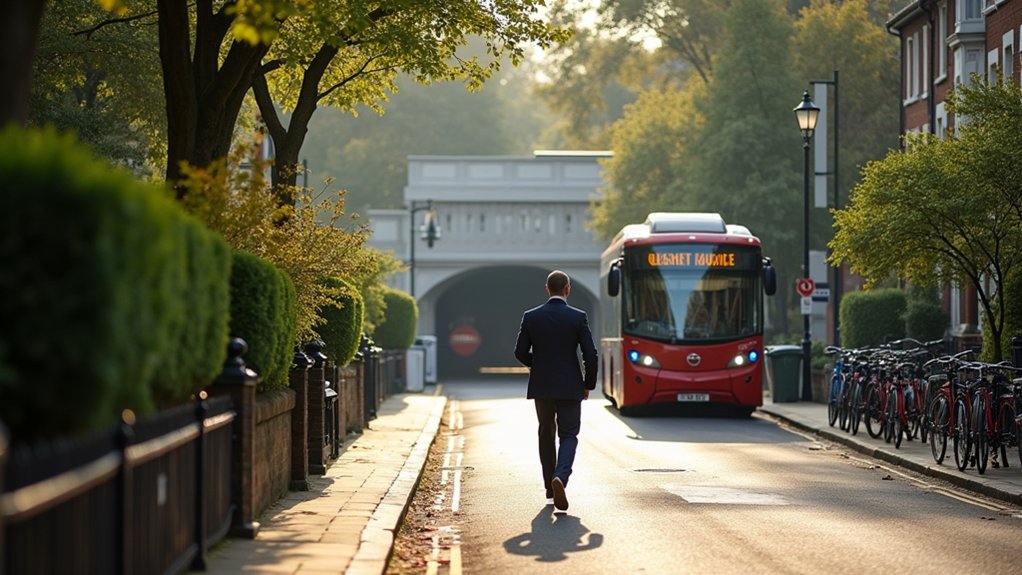
Whether you’re heading into central London or travelling across north London, Hampstead gives you practical transport options without sacrificing its village atmosphere. Public transport makes daily journeys straightforward: Hampstead Underground station sits on the Northern line, reaching Tottenham Court Road and Bank efficiently, while nearby Finchley Road adds Jubilee and Metropolitan line connections.
Buses link you with Archway, Golders Green, Swiss Cottage and West Hampstead, giving you flexible commuting options when the Tube’s busy. If you’re viewing a renovation project, check walking times to stations, bus stops and main roads; excellent connectivity can strengthen resale appeal and rental demand.
Period homes on quieter streets may command a premium, but you should assess traffic, parking restrictions and potential noise before making an offer. With several routes available, you’ll find commuting manageable from most Hampstead addresses.
Where Can You Enjoy Hampstead’s Green Spaces?
Hampstead Heath is the area’s standout green asset, giving you expansive lawns, wooded paths, ponds and panoramic views across London just minutes from many period homes. You can swim at the Parliament Hill Lido, exercise on open ground or explore quieter trails towards Kenwood House.
The Heath’s natural setting adds lasting appeal for buyers, while period properties nearby often reward thoughtful renovation: improve layouts, insulation and glazing without compromising original character.
Primrose Hill and Golders Hill Park offer further green escapes, with the latter’s zoo and landscaped gardens suiting family weekends. You’ll also find Local amenities, including cafés, independent shops and transport links, close by.
Seasonal Community events bring neighbours together, strengthening the area’s social fabric and supporting resilient resale demand. Check conservation constraints before planning exterior alterations or extensions.
Frequently Asked Questions
What Local Healthcare Facilities and GP Surgeries Serve Hampstead Residents?
You’ll find GP surgeries including Haverstock Healthcare and Keats Group Practice, while Royal Free Hospital provides urgent care and Medical specialists. Healthcare accessibility remains strong, with pharmacies, clinics, and private providers nearby for convenient renovation planning.
How Safe Is Hampstead for Families, Professionals and Older Residents?
You’ll find Hampstead generally safe for families, professionals, and older residents, with strong Community safety. Check streets after dark, insurance, and renovation costs; Housing affordability varies sharply between village homes and nearby flats.
What Shops, Markets and Essential Services Are Available in Hampstead?
You’ll find independent grocers, pharmacies, cafés, florists, and practical services around Hampstead High Street. Local artisan markets add character, while boutique shopping suits design-conscious residents. Compare suppliers carefully when renovating, especially for materials and tradespeople.
Are There Council Tax Differences Between Hampstead’s Neighbourhoods?
Yes, you’ll see Council tax variations across Hampstead, based on each property’s band, not street prestige. Review neighborhood taxation policies, banding, and renovation plans carefully, since extensions won’t automatically change your bill but reassessments can.
How Can Newcomers Meet People and Get Involved in Hampstead’s Community?
You’ll find your people by attending Community events, joining local clubs, and volunteering nearby. Ease into Hampstead’s welcoming scene through garden projects, residents’ groups, and improvement initiatives, building connections while helping shape your new surroundings.
Conclusion
Living in Hampstead lets you trade London’s rush for village charm—without actually leaving London. You can choose a period terrace, modern apartment or renovation project, then weigh conservation rules, school catchments and your commute before committing. Your budget may buy less space, but it can buy leafy walks, excellent schools and a stronger sense of place. Ironically, the ultimate urban upgrade might be more greenery, not more square footage—provided you’re ready to improve what you find.