
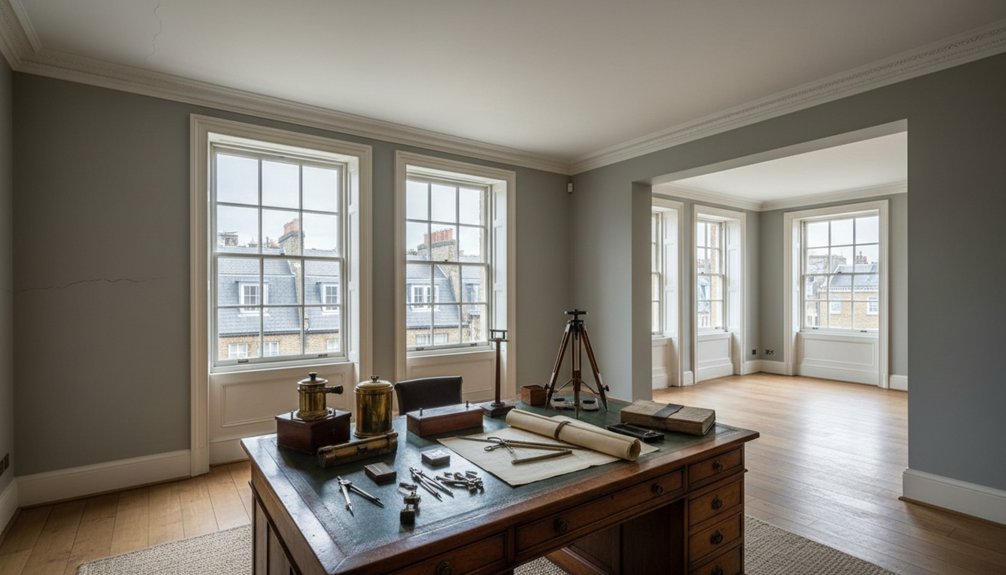
Whether you’re buying a Georgian townhouse in Kensington, selling a Victorian terrace in Islington, or remortgaging a listed home, you’ll need to understand how London property valuations work. A valuer weighs recent comparable sales, condition, location, heritage restrictions, and legal details to estimate market worth. If that figure falls below your agreed price, a down-valuation can affect your mortgage and negotiations. Knowing what happens next could protect your budget and your transaction.
Key Takeaways
- London property valuations provide an impartial, current estimate based on location, condition, features, legal details, and comparable sales.
- Valuers adjust comparable evidence for differences in size, layout, tenure, heritage status, presentation, outlook, and permitted use.
- Mortgage valuations assess lending security, while Level 2 or Level 3 surveys investigate condition, defects, maintenance, and renovation requirements.
- A down-valuation can reduce mortgage availability, increase deposit requirements, raise loan-to-value ratios, and affect interest rates or affordability.
- Buyers can challenge valuations, renegotiate prices, or approach alternative lenders using verified comparables, permissions, consents, and professional evidence.
What Is a London Property Valuation?

A London property valuation is a professional assessment of what a residential or commercial property should achieve on the open market at a specific date. You’ll use it to understand an asset’s realistic worth, support lending, guide sale decisions, or settle estate and legal matters.
A qualified valuer considers the building’s location, condition, age, architectural character, and permitted use, while recognising how London’s historic streets and conservation areas influence demand.
Historical trends can provide useful context, but they don’t replace a current, property-specific opinion.
Different property types, from Georgian terraces and Victorian conversions to modern flats, offices, and listed townhouses, require careful interpretation.
Your valuation report should identify the property clearly, explain its relevant features, state the valuation date, and present an impartial conclusion you can rely on.
How Do London Valuers Calculate Market Value?
Once the valuer has defined the property and valuation date, they estimate market value by comparing it with relevant evidence and adjusting for its individual characteristics. You’ll see this process begin with property comparables: recent, verified sales of similar London homes, ideally nearby and within the same period.
The valuer analyses sale prices, asking-to-sale patterns, and local Market trends, then makes measured adjustments for differences in size, condition, layout, tenure, and setting. They’ll also consider the building’s heritage, particularly where period features, conservation requirements, or architectural significance affect buyer demand and evidence.
Finally, the valuer reconciles the adjusted figures, weighs the reliability of each comparable, and records a reasoned opinion. This isn’t a guess; it’s a documented professional judgement anchored in current market evidence.
Which Factors Affect Your Property’s Valuation?
Your property’s valuation reflects more than its floor area: location, condition, layout, tenure, transport links, planning constraints, and the quality of its period features all influence the valuer’s opinion.
In London, neighborhood trends can shift demand quickly, particularly where new schools, cultural investment, or improved connectivity attract buyers.
Your home’s presentation matters, too. A well-maintained roof, sound windows, original fireplaces, and carefully preserved joinery can support value, while deferred repairs may reduce it.
Legal details also count: lease length, service charges, restrictive covenants, and permitted use can affect marketability.
Comparable sales provide essential context, but your valuer will adjust for distinctive features, extensions, light, outlook, and privacy.
Property taxes and ongoing ownership costs may influence buyers’ budgets, indirectly affecting achievable value and negotiation.
Keep accurate records of improvements and permissions.
How Do Mortgage Valuations Differ From Surveys?

When you apply for a mortgage, the lender’s valuation checks whether the property provides sufficient security for the loan, rather than evaluating every defect or advising you on repairs. It usually confirms market value through a brief inspection or desktop assessment, with limited comment on condition.
A survey serves you, not the lender. A RICS Level 2 survey examines accessible elements, while a Level 3 building survey provides deeper analysis, especially valuable for Victorian terraces, listed homes, and historic conversions.
Understanding these survey differences helps you choose suitable protection before exchange. The valuer’s purpose remains financial, whereas your surveyor can identify defects, alterations, damp, movement, or maintenance concerns.
For greater valuation accuracy, give professionals clear details about extensions, renovations, and heritage restrictions, then use the survey findings to plan informed decisions.
Why Do London Property Down-Valuations Happen?
While a mortgage valuation differs from a buyer’s survey, it can still alter the purchase when the valuer places the property below the agreed price. In London, several factors can cause this outcome.
The valuer may find that recent comparable sales don’t support your offer, particularly where prices have softened or demand varies between neighbourhoods. A property market shift, limited local evidence, or unusual features can create valuation discrepancies.
Period homes may attract further scrutiny if they need roof, damp, electrical, or structural work, even when their heritage character commands a premium. The valuer might also identify lease concerns, inadequate service arrangements, or planning and building-control issues.
You can reduce surprises by researching comparable transactions, checking the title and lease, and commissioning appropriate specialist inspections before you commit.
How Does a Down-Valuation Affect Your Mortgage?
A down-valuation can reduce the mortgage amount your lender is prepared to offer against a London property.
You may consequently need a larger deposit to complete the purchase, particularly where the home’s historic character has influenced its market value.
It can also affect your mortgage options, rates, and borrowing terms.
Loan Amount Reduction
If a London property valuation comes in below the agreed purchase price, your lender will usually base the mortgage on the lower figure, reducing the amount it’s prepared to advance. This down-valuation reflects the surveyor’s view of the property’s open-market worth, not necessarily a criticism of its Victorian detailing, period fabric, or conservation significance.
You’ll consequently need to review your loan application and understand how the revised figure affects affordability and lending criteria. Your lender may reassess the loan-to-value ratio, monthly repayments, and overall risk before confirming its offer.
Ask for the valuation report and check whether factual errors, overlooked improvements, or comparable local sales justify a review. A specialist mortgage adviser can explain your options and liaise with the lender, helping you make a measured decision about a historic London home.
Larger Deposit Needed
When a down-valuation lowers the amount your lender will advance, you’ll need a larger deposit to cover the gap between that loan and the agreed price. For example, if you agreed £500,000 but the valuation supports £475,000, your lender may calculate its loan against £475,000.
You must then fund the shortfall, alongside your original deposit and purchase costs. Review your deposit requirements early, particularly where a period property’s character, conservation status, or repair needs has influenced the valuation.
Check your available savings, family support, or other lawful financing strategies, and keep a reserve for essential works and unexpected costs. Speak promptly with your conveyancer and mortgage adviser. They can confirm the figures, explain the valuation’s practical impact, and help you decide whether renegotiation or withdrawal protects your long-term position.
Mortgage Options Affected
How does a down-valuation affect your mortgage? It reduces the property’s recognised value, so your lender recalculates the loan-to-value (LTV) ratio. If the agreed price now exceeds the valuation, you may need a larger deposit, renegotiate, or withdraw.
Your Mortgage eligibility could also change if the revised LTV moves you beyond the lender’s criteria, particularly where income, credit commitments, or lease terms already stretch affordability.
Interest rate impacts can follow. A higher LTV commonly means fewer products and a costlier rate, while lower-LTV borrowing may unlock more competitive deals.
Don’t assume your mortgage offer remains unchanged: ask your broker or lender for a revised illustration, including fees and early-repayment terms.
For London’s historic homes, check whether unusual construction, listed status, or conservation restrictions influenced the valuation. Resolve those points before exchanging contracts, preserving both your finances and the building’s heritage.
What Can You Do After a Down-Valuation?

After a down-valuation, you can challenge the report if it overlooks the property’s condition, improvements, or heritage features.
You can also renegotiate the purchase price with the seller to reflect the lender’s figure.
If finance remains difficult, explore alternative lenders with valuation criteria suited to London’s distinctive older homes.
Challenge the Valuation
A down-valuation isn’t necessarily final, and you can challenge it if the surveyor has overlooked relevant evidence or misunderstood the property’s condition, alterations, or heritage features.
Ask your lender for the valuation report and check its factual accuracy, including floor area, tenure, lease terms, renovations, and listed-building restrictions.
Gather comparable sales from the same locality and period, then explain why they better reflect the property market.
An independent RICS-registered surveyor can review the report and identify weaknesses in its valuation techniques.
Provide planning permissions, conservation consents, architect’s specifications, and records of specialist repairs where relevant.
Your broker or solicitor can submit a concise, evidence-based appeal to the lender.
Don’t commission alterations or conceal defects; focus on correcting verifiable errors and clarifying the property’s genuine heritage value.
Renegotiate the Price
If the lender won’t increase its offer, use the down-valuation as grounds to renegotiate the purchase price with the seller. Explain that the surveyor’s independent assessment affects your mortgage and the funds available to complete.
Present the valuation, your revised borrowing position, and evidence from comparable London sales.
Keep your price negotiation calm, factual, and respectful; period homes often carry emotional value, but you must protect your finances and account for maintenance, listed-building restrictions, and future works.
Ask the seller for an adjustment that bridges the shortfall, then confirm any agreement in writing through your conveyancer.
You might propose sharing the difference, reducing the price, or agreeing credits for essential repairs.
Set a clear deadline for offer reconsideration.
If the seller won’t compromise, you can withdraw before exchange without losing your deposit.
Explore Alternative Lenders
Where the lender’s valuation leaves a funding gap, you can ask other mortgage providers to assess the property independently, as their surveyors may take a different view of its market value. This approach can prove especially useful with period homes, where craftsmanship, conservation requirements, extensions, or unusual layouts may not fit automated valuation models.
Compare alternative lenders carefully, rather than chasing the highest figure alone. Check their experience with listed buildings, leasehold flats, and London’s older housing stock, as well as interest rates, arrangement fees, loan-to-value limits, and valuation charges.
An independent broker can identify suitable financing options and explain each lender’s criteria. You’ll still need evidence supporting the property’s condition and value, including comparable sales and specialist reports.
Don’t switch lenders until you understand any withdrawn application costs or timing risks.
How Can You Avoid Valuation Problems?
You’ll avoid most valuation problems by preparing a complete, accurate record of the property’s history, condition, improvements, and legal status before the surveyor visits. Gather planning permissions, listed-building consents, building-regulation certificates, guarantees, and invoices for recent works.
For a period London home, explain original features, conservation requirements, and any sympathetic restoration, rather than assuming their value is obvious.
Fix minor defects, clear roof gutters, test services, and provide safe access to lofts, basements, and outbuildings. Tell your lender about extensions, conversions, leases, rights of way, or disputes early.
Don’t overstate comparable sales or rely on an optimistic estate-agent appraisal; independent evidence supports valuation accuracy.
Good preparation protects your property investment, reduces delays, and helps the surveyor understand the building’s genuine condition and heritage. Ask your conveyancer to check documentation before instruction.
Conclusion
Understanding London property valuations and down-valuations helps you make confident decisions in a complex, heritage-rich market. By preparing accurate records, addressing defects, checking legal details, and comparing realistic evidence, you’ll reduce surprises. If a lender values your property below the agreed price, review the report, negotiate carefully, and seek professional advice before changing course. Treat the valuation as a compass, not an obstacle: it can guide you towards a sound purchase, sustainable borrowing, and lasting value.