

Living in Southwark is like buying into London’s next chapter while standing among its historic pages. You’ll find riverside flats, converted warehouses, family-friendly streets and major regeneration schemes reshaping long-term value. Housing costs remain high, but smart buyers can still identify renovation potential, improving amenities and strong transport links. Whether you’re weighing rental demand, resale prospects or everyday convenience, the right neighbourhood could make all the difference—especially where the next phase of investment is already taking shape.
Key Takeaways
- Southwark offers diverse neighbourhoods, from riverside Bermondsey and Canada Water to creative Peckham and leafy Dulwich.
- Regeneration is enhancing transport, public spaces, amenities, and property demand, but may bring construction disruption and changing neighbourhood character.
- Riverside living provides views, walks, cafés, cultural venues, and leisure facilities, while requiring checks on flood risk, service charges, and maintenance.
- Housing costs vary significantly; assess purchase prices, rental rates, lease terms, renovation potential, and proximity to transport before deciding.
- Excellent connections, parks, schools, sports facilities, and community amenities make Southwark attractive to professionals, families, renters, and investors.
What Is Living in Southwark Really Like?

Living in Southwark puts you close to London’s strongest cultural, transport, and regeneration hotspots, making it a compelling choice for both homeowners and property investors. You’ll experience a fast-changing urban environment where historical architecture sits alongside converted warehouses, contemporary apartments, and ambitious mixed-use developments.
Cultural diversity shapes the borough’s restaurants, markets, galleries, and everyday atmosphere, giving streets genuine character and supporting sustained tenant demand.
For homeowners, the appeal lies in combining central access with opportunities to add value. Period properties may reward careful refurbishment, while newer homes often benefit from strong amenities and efficient layouts.
As an investor, you’ll need to assess service charges, lease terms, conservation restrictions, and regeneration timelines before committing. Rental competition remains intense, but well-presented homes with practical improvements can attract reliable occupiers and protect resale appeal as Southwark continues evolving.
Which Southwark Areas Suit Different Lifestyles?
Different parts of Southwark suit different priorities, so your choice should reflect how you’ll use the property and where you see value-add potential.
Choose Bermondsey if you want warehouse conversions, food-led placemaking and strong commuter appeal; period flats can benefit from careful layout upgrades and specification improvements.
Borough suits buyers seeking central connectivity, cultural diversity and access to Historic landmarks, while refurbishment opportunities often centre on tired apartments and heritage-sensitive detailing.
For riverside living, look towards Canada Water or Rotherhithe, where regeneration, green space and transport investment may support long-term demand; assess lease terms and service charges before renovating.
Peckham and Nunhead appeal to creatives and families, offering larger homes, independent businesses and scope for extensions.
Dulwich provides leafy, established appeal, but planning constraints make disciplined due diligence essential.
How Much Does Housing Cost in Southwark?
You’ll find Southwark’s average property prices vary sharply by neighbourhood, condition and proximity to transport.
Rental rates remain competitive, while renovation-ready homes can offer scope to add value through targeted upgrades.
Regeneration schemes may strengthen long-term returns, so compare today’s costs with each area’s investment potential.
Average Property Prices
Property prices in Southwark vary sharply by neighbourhood, property type and condition, but buyers should expect a premium for well-connected homes near the riverside, Borough and London Bridge.
You’ll generally pay more for renovated period conversions, waterside apartments and turnkey homes, while properties needing modernisation can offer stronger value and negotiation scope.
Compare recent sold prices, not optimistic asking prices, and budget carefully for leasehold charges, structural work and compliance upgrades.
Victorian terraces around Peckham and Bermondsey may reward thoughtful refurbishments, whereas new-build schemes often command premiums for facilities and transport access.
Historical landmarks and Cultural festivals can strengthen neighbourhood appeal, supporting long-term demand.
Before you commit, assess regeneration plans, resale liquidity, service charges and potential renovation costs.
A disciplined purchase price matters more than cosmetic presentation.
Rental Market Rates
How much does it cost to rent in Southwark? You’ll typically pay a premium for Zone 1 convenience, riverside addresses and transport links. A room may start around £900 monthly, while a one-bedroom flat commonly ranges from £1,700 to £2,400.
Larger, renovated two-bedroom homes often command £2,500 to £3,500, with luxury developments exceeding that range.
Your rental affordability depends on income, furnishing, utilities and service charges, so compare the complete monthly commitment rather than headline rent. Renovated kitchens, efficient heating and secure bike storage can justify higher asking prices, while dated interiors may offer negotiating leverage if you’re willing to manage improvements with permission.
Check whether rent includes bills, parking or building amenities. Lease durations vary, but longer agreements can provide stability and sometimes strengthen your negotiating position.
Always budget for deposits, referencing fees where applicable, and annual rent reviews.
Regeneration And Value
Regeneration can lift Southwark property values, but prices vary sharply by neighbourhood, tenure, condition and proximity to new transport or public-realm improvements. You’ll typically pay a premium for riverside flats, period conversions and homes near London Bridge, Borough or Canada Water, while less polished pockets may offer stronger renovation upside.
Assess sold prices, service charges, lease length and planned works—not just asking prices. A dated terrace or Victorian flat can reward you after improving layout, insulation, kitchens and bathrooms, but calculate planning constraints and contractor costs first.
Regeneration may increase demand, yet construction disruption and affordability pressures can affect timing. Historical landmarks, galleries and Cultural festivals strengthen rental appeal, particularly for well-presented homes.
For investment, compare net yield, resale liquidity and regeneration risk, then negotiate using survey findings and comparable transactions.
What Is Riverside Living Like in Southwark?
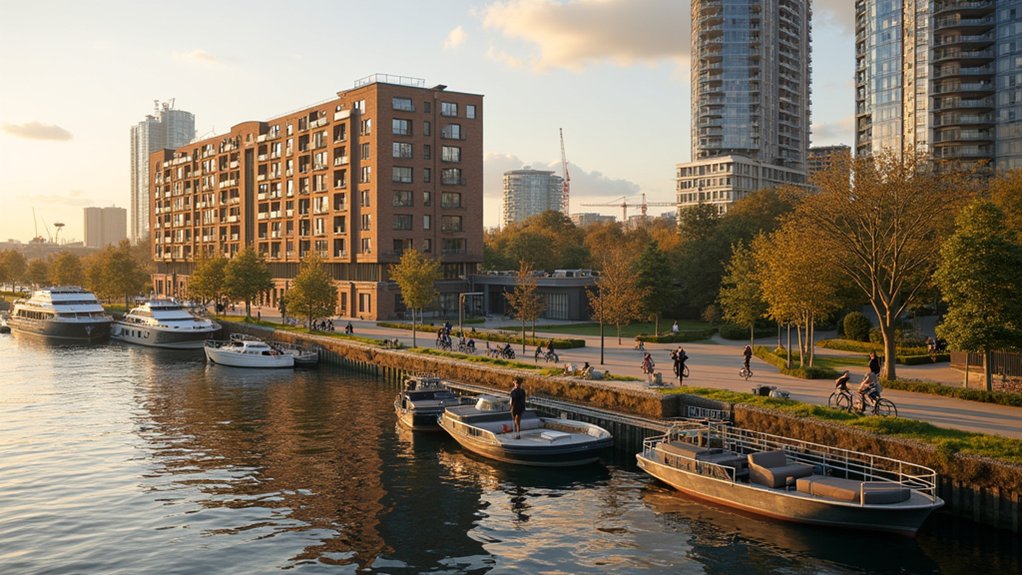
With the Thames on your doorstep, riverside living in Southwark combines strong lifestyle appeal with credible investment potential. You’ll enjoy morning walks along the embankment, skyline views, and easy access to Riverfront cafes for coffee, dining, or informal meetings.
Boating activities, riverside paths, and cultural venues add everyday variety without requiring a lengthy commute.
From an investment perspective, prioritise properties with direct views, balconies, secure parking, or well-managed communal spaces.
Older apartments can offer scope for renovation, particularly through upgraded kitchens, improved lighting, engineered flooring, and better storage.
However, you’ll need to assess service charges, flood-risk documentation, lease terms, and building maintenance before committing.
Riverside demand can support strong rental appeal, but pricing varies sharply by outlook and specification.
Focus on practical improvements that enhance comfort, presentation, and long-term resale rather than overcapitalised finishes.
How Is Regeneration Changing Southwark?
Beyond the riverside, major regeneration is reshaping Southwark’s neighbourhoods, transport links, and investment prospects. Across Bermondsey, Canada Water and the Old Kent Road, you’ll see former industrial sites converted into mixed-use districts with new homes, workspaces, public squares and cultural venues.
These schemes can improve local amenities and support rental demand, while planned development may create opportunities for renovation-led value growth. You’ll also notice Urban art, independent businesses and landscaped streets adding character to emerging quarters.
Significantly, regeneration doesn’t erase Southwark’s identity: Historic landmarks, Victorian terraces and warehouse architecture remain valuable selling points. If you’re buying, assess each project’s delivery timetable, tenure mix, service charges and construction impact.
A carefully chosen property near completed public-realm improvements could offer stronger liquidity than one relying solely on future promises.
How Well Connected Is Southwark?
Southwark’s transport network gives you quick access to central London, Canary Wharf and the wider capital, supporting both resale liquidity and rental demand. Jubilee, Northern and Bakerloo lines, plus London Overground and Thameslink services, connect you efficiently to major employment hubs.
London Bridge, Waterloo East and Blackfriars stations strengthen commuting options, while frequent buses and river services add practical flexibility.
For buyers, reliable Public transportation can widen your tenant pool and protect exit values when upgrading a period flat or converting underused space. Check walking times, peak-hour routes and planned works before committing, as micro-location still drives pricing.
Community engagement also matters: local consultation can influence traffic schemes and station improvements, helping you anticipate infrastructure changes.
Prioritise homes near interchanges, but budget for noise mitigation, service charges and renovation-quality glazing.
Which Parks and Amenities Does Southwark Offer?

You’ll find Southwark’s green spaces and parks add everyday appeal while supporting long-term property value. Riverside leisure areas give you attractive settings for recreation, dining, and thoughtful renovation-led investment.
Local sports facilities and amenities further strengthen the area’s lifestyle offer and buyer demand.
Green Spaces And Parks
With riverside walks, landscaped commons, and well-equipped parks, Southwark gives residents valuable green space without sacrificing central-London convenience.
You’ll find Burgess Park’s open lawns, sports facilities, lake, and community gardens particularly useful for everyday recreation, while Southwark Park offers mature planting, play areas, cafés, and space for seasonal events.
Peckham Rye combines broad meadows with formal gardens, supporting urban flora and giving nearby homes a valuable lifestyle advantage.
These parks can strengthen rental appeal, buyer demand, and long-term resale prospects, especially where regeneration improves access and surrounding housing quality.
You’ll also benefit from active park conservation, which protects biodiversity and maintains attractive public environment.
When evaluating a renovation or investment, check walking times, planned improvements, maintenance standards, and local development proposals; these details can influence both tenant satisfaction and future capital growth considerably.
Riverside Leisure Areas
Where can you combine waterside recreation with strong property appeal? Along Southwark’s Thames frontage, you’ll find walkable promenades, restored wharves, and riverside terraces that make everyday leisure feel distinctive.
Bermondsey’s Butler’s Wharf places you near galleries, restaurants, and Waterfront cafes, while the South Bank offers cultural destinations and broad views across the water.
You can enjoy boating activities through local operators, seasonal services, and nearby piers, without relying on a private garden.
For buyers, this setting can strengthen rental appeal and support long-term resale, particularly where regeneration improves public domain and transport links.
If you’re renovating, prioritise balconies, flexible living spaces, durable finishes, and generous glazing that capture the river atmosphere.
Check flood-risk information, lease terms, service charges, and planned works before pricing your investment.
Local Sports And Amenities
Which parks and amenities support everyday life in Southwark? You’ll find strong options for local sports, fitness and family recreation, from Burgess Park’s pitches, lakes and cycle routes to Southwark Park’s tennis courts, gardens and open lawns.
Peckham Rye adds woodland, playing fields and space for informal exercise, while nearby leisure centres support swimming, gyms and coached activities.
These community amenities strengthen neighbourhood appeal, helping you enjoy a healthier routine without travelling far. For buyers and landlords, access to renovated parks, upgraded leisure facilities and well-connected public spaces can support long-term demand and rental resilience.
Check planned improvements, transport links and maintenance standards before committing to a home. A property near reliable recreation often feels more liveable today and remains better positioned as Southwark’s regeneration continues across established and emerging districts.
Is Southwark Good for Families and Professionals?
Southwark works well for families and professionals who want a central London base with strong transport links, diverse neighbourhoods and long-term property potential. You’ll find practical access to the City, Canary Wharf and major stations, while regeneration continues to upgrade streets, public spaces and riverside developments.
Families can build routines around reputable schools, parks, libraries and Community events, with markets and Local cuisine adding everyday variety.
Professionals benefit from shorter commutes, flexible workspaces and a broad rental audience, supporting resale and letting demand.
When you assess a home, look beyond décor: review lease terms, service charges, energy performance and planned building works.
A tired flat in a well-connected pocket may offer renovation upside, whereas a turnkey unit can command stronger rents immediately.
Your choice should match your lifestyle and investment horizon.
What Are the Pros and Cons of Living in Southwark?
If you value centrality and long-term potential, living in Southwark gives you fast access to the City, Canary Wharf and major rail hubs, plus a deep pool of renters and buyers. Cultural attractions, riverside walks and excellent Local cuisine strengthen tenant demand, while regeneration can lift values and create renovation opportunities.
You’ll also benefit from varied housing, from converted warehouses to new-build apartments, allowing you to target different budgets.
However, central convenience comes at a price. Purchase costs, service charges and competition for well-finished homes can compress yields. Some streets remain noisy, crowded or affected by ongoing construction, and housing quality varies sharply between developments.
You’ll need to assess lease terms, cladding, transport noise and planned infrastructure before committing. For investors, careful due diligence matters: Southwark rewards strategic upgrades, not rushed purchases.
Frequently Asked Questions
What Council Tax Bands and Rates Apply Across Southwark?
Southwark council tax ranges from Band A (£1,401.93) to Band H (£4,205.78) for 2024/25. Check your postcode online; accurate costs strengthen renovation budgets, investment forecasts, Affordable housing comparisons, and Community events planning.
How Do Residents Register With Local GPS and Dentists?
Register with a nearby GP by checking NHS listings, completing registration procedures, and providing proof of address if requested. For dentists, compare NHS availability, join waiting lists, and prioritise healthcare accessibility when evaluating your investment-ready Southwark home.
What Are Southwark’s Bin Collection Rules and Recycling Services?
You’ll follow Southwark’s Waste management schedule for weekly collections, separating rubbish, food waste, and recycling. Check your address online, use Recycling programs and bulky-waste bookings, and protect your renovation investment by avoiding contamination fines.
Which Local Schools Have the Strongest Ofsted Ratings?
You’ll find Southwark’s strongest Ofsted ratings at primary schools including Charles Dickens and Boutcher, while Charter School North Dulwich leads locally. Compare school performance and extracurricular activities before investing; excellent results can boost renovation appeal and resale value.
How Safe Is Southwark, and Where Can Residents Report Crime?
You’ll find Southwark’s safety varies by neighbourhood, so assess streets individually before investing. Follow Crime reporting procedures: call 999 for emergencies, 101 for non-emergencies, or report online. Check Neighborhood safety data before renovating or buying.
Conclusion
Living in Southwark gives you more than a London address—it offers exposure to one of the capital’s most active regeneration markets. With roughly 12,000 new homes planned through major renewal schemes, infrastructure, public environment and amenities are evolving alongside property values. You’ll pay a premium for riverside or transport-led locations, but renovation potential remains compelling. If you buy carefully, assess service charges and planning risk, and choose improving neighbourhoods, Southwark can support both lifestyle gains and long-term investment growth.