
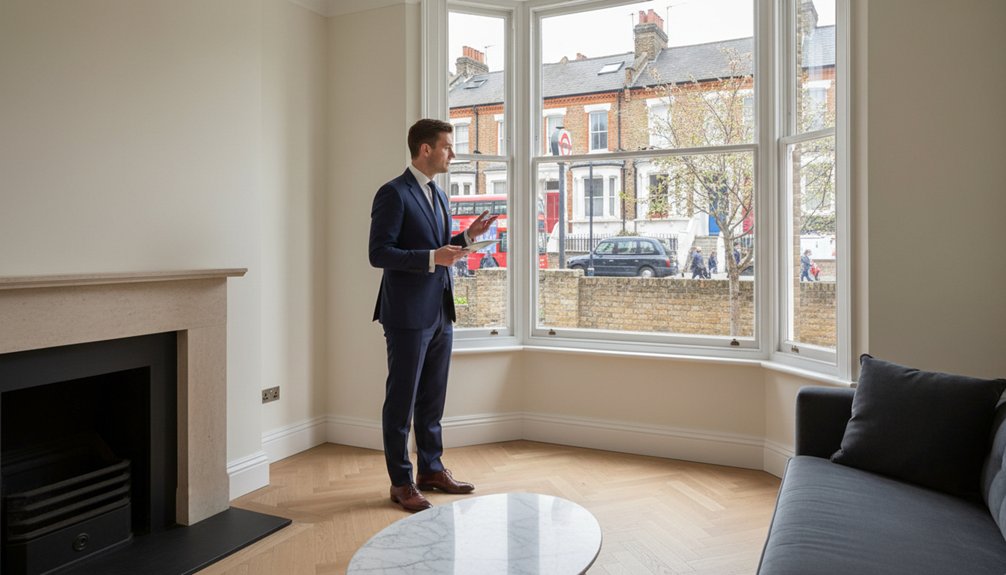
A London estate agent valuation is a compass, but even a trusted needle can shift near old terraces, converted warehouses, and fast-changing suburbs. You’ll find its accuracy depends on condition, heritage details, lease terms, planning permissions, and the agent’s grasp of local demand. Recent comparable sales matter, yet buyer preferences, presentation, and market timing can quietly alter the figure. To judge which valuation deserves your confidence, you’ll need to examine what sits behind the number—starting with how agents reach it.
Key Takeaways
- Property condition, period features, floor area, proportions, natural light, and workmanship significantly influence valuation accuracy.
- Exact location, neighbourhood demand, transport links, schools, parks, and planned developments affect London property values.
- Recent, genuinely comparable completed sales provide more reliable evidence than asking prices or outdated transactions.
- Leases, service charges, planning permissions, damp, subsidence history, and other practical issues can materially alter value.
- Accurate valuations require clear feature comparisons, current market evidence, and agents experienced with similar local properties.
How Estate Agent Valuations Work in London

In London, an estate agent valuation begins with an inspection of your property, followed by a comparison with recent local sales, current competing listings, and the character of the surrounding neighbourhood.
Your agent then studies Market trends across the relevant borough, from shifting demand in Hackney to pricing patterns around Richmond and Kensington. They’ll consider transaction evidence, buyer activity, and the relationship between asking prices and achieved prices.
Experienced agents apply established valuation methodologies, adjusting their judgement for local context rather than relying on a broad London average. They may consult Land Registry records, property databases, and their own knowledge of period terraces, mansion blocks, converted warehouses, or modern developments.
Finally, you receive an evidence-led price range, reflecting present market conditions and realistic buyer expectations today.
Which Property Features Affect Valuation Accuracy?
Property features can sharpen or distort a London valuation, depending on how clearly they’re recorded and compared with local evidence. Start with Property condition: a carefully maintained Victorian terrace, restored cornices, original sash windows, and a sound roof can command more confidence than a superficially similar home needing hidden repairs.
You’ll also need to account for floor area, room proportions, natural light, ceiling height, garden quality, parking, extensions, and energy performance. Period details matter, but so does the quality of any modern conversion; poor workmanship can undermine an otherwise handsome heritage property.
Check leases, service charges, damp, subsidence history, and planning permissions, as these practical features affect buyer appeal and risk. Finally, ask whether your evidence reflects current Market trends, rather than relying on outdated comparables or optimistic improvements.
Why Location and Local Demand Matter
Although a handsome period home may share its features with nearby properties, its valuation ultimately depends on the exact street, neighbourhood, and strength of local demand. You’ll see meaningful differences between a quiet conservation road, a busy thoroughfare, and a modernised terrace near a station.
Local buyers may prize original cornicing, garden privacy, or proximity to excellent schools, while overlooking comparable features elsewhere. Your agent should understand how transport links, planned developments, cafés, parks, and council investment shape demand in that particular pocket.
Neighborhood trends can reveal whether buyers are moving towards emerging districts or competing intensely for established addresses. Market fluctuations also affect confidence, mortgage affordability, and the number of active purchasers.
How Comparable Sales Shape Estate Agent Valuations

Those local conditions are tested against what comparable homes have actually achieved. Your agent studies recently completed sales, not optimistic asking prices, to establish a grounded figure.
In a Victorian terrace near Richmond, details such as a restored cornice, original sash windows, garden depth, and off-street parking can distinguish one property from the next.
A period flat in Islington may command more when its lease, service charges, and refurbishment match nearby examples.
The evidence must also reflect timing: Market trends can shift between agreed sale and completion, particularly when mortgage costs change.
Agents use these comparisons to develop Pricing strategies, adjusting for condition, floor level, plot, and presentation.
You’ll get a more reliable valuation when the selected properties genuinely resemble yours, rather than merely sharing its postcode and broad architectural character.
How to Compare Valuations and Choose an Agent
When comparing London valuations, don’t automatically favour the highest figure; examine the evidence, marketing plan, fee structure, and agent’s knowledge of your particular street.
Ask each agent to explain comparable sales, including dates, condition, tenure, and differences between a Victorian terrace in Islington and a mansion flat near Hampstead Heath.
Reliable Pricing strategies should reflect current buyer demand, conservation restrictions, lease length, and recent results—not wishful thinking.
Compare proposed photography, listing platforms, viewing arrangements, and communication standards, then check whether the agent regularly sells homes like yours.
Discuss fees, contract length, and withdrawal terms before signing.
An experienced local agent should describe realistic negotiation techniques, likely buyer objections, and a defensible asking price.
Finally, request references and test their knowledge by asking how they’d position your home against nearby, recently sold properties.
Conclusion
Ultimately, you’ll get the clearest London valuation when your agent understands more than square footage. They should recognise your home’s architectural character, conservation context, lease terms, and the distinct demand of its neighbourhood, then support their figure with genuinely comparable recent sales. Why settle for a flattering number that won’t withstand scrutiny? Compare evidence, marketing plans, and local experience carefully. With the right advice, you’ll protect your property’s heritage while making a confident, well-informed decision.