
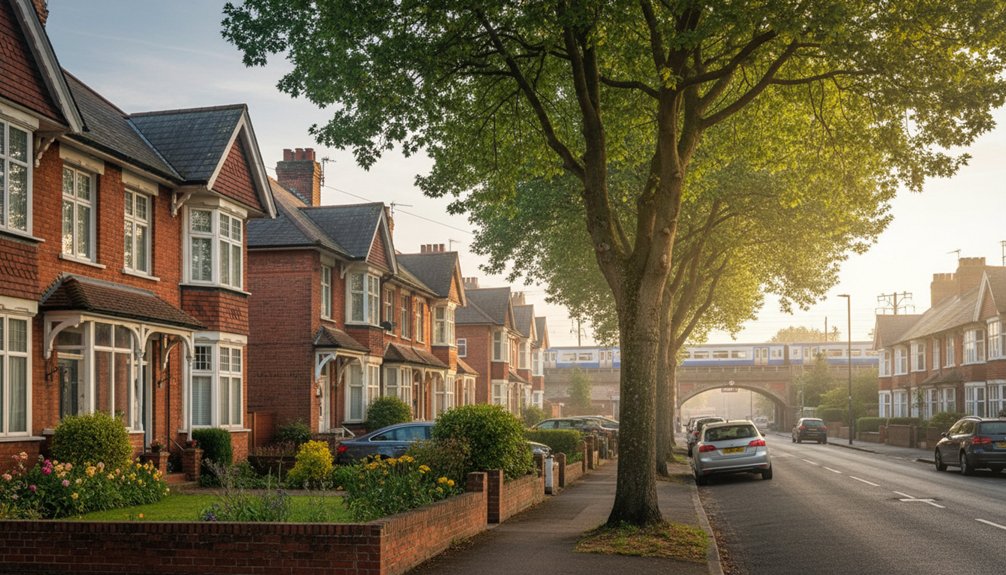
Buying in Parkwood, Kent could give you more space and better value than many London commuter areas, but you shouldn’t assume it offers an easy journey. Your route, station choice and parking arrangements will shape the daily cost and time, while local prices, amenities and future development affect long-term value. With door-to-door travel often exceeding 90 minutes, the key question is whether Parkwood’s affordability outweighs the commute—and which nearby station makes the biggest difference.
Key Takeaways
- Parkwood offers better value and more space than many London commuter areas, appealing to families and first-time buyers.
- Expect a demanding commute: journeys from Maidstone stations to London commonly take 55–90 minutes, plus local travel.
- Compare Maidstone West, East, and Barracks carefully, as routes, destinations, fares, parking, and convenience differ.
- Check each street’s parking, traffic, property condition, broadband, schools, amenities, and potential future development before buying.
- Buy in Parkwood if value and space outweigh commute length; consider Bearsted or central Maidstone for easier access or amenities.
Is Parkwood Good for London Commuters?

Parkwood can work well for London commuters who prioritise lower purchase prices and a quieter setting over the shortest possible journey. You’ll generally find more space and better value than in many inner-London alternatives, although you should compare recent sold prices, service charges, and likely maintenance costs rather than relying on asking prices.
The trade-off is time: your daily journey may feel demanding, especially if you travel five days a week or need reliable early-morning connections. Calculate door-to-door travel time, season-ticket costs, and the value of working remotely before you offer.
Local parks add everyday appeal, while community events can help you settle into the neighbourhood. Check broadband availability, parking pressure, local services, and resale demand.
Parkwood suits buyers seeking affordability and liveability, not commuters chasing the fastest route. Speaking with estate agents in Parkwood, Kent will ensure you get local expertise and advice.
Which Stations Can Parkwood Commuters Use?
From Parkwood, you’ll typically compare nearby stations such as Maidstone West, Maidstone Barracks, and Maidstone East, depending on your route and onward connections.
Your best London option may involve Southeastern services via Maidstone East or a connection through Strood, so check peak journey times and fares before you buy.
These station choices can affect both your daily travel costs and Parkwood’s resale appeal.
Closest Railway Stations
For commuters weighing a Parkwood purchase, Maidstone West is typically the most practical rail option, with Maidstone East and Maidstone Barracks offering alternatives depending on your exact location and destination. Check your door-to-station journey, not just the map distance: Parkwood’s hills, bus links, parking availability, and peak-time traffic can materially change your weekly routine.
Maidstone West generally serves as the key starting point for services towards London, while Maidstone East and Maidstone Barracks may suit you better if your home sits northeast of the town centre.
Compare walking, cycling, bus, and taxi costs before committing, and verify current timetables and season-ticket pricing with Southeastern.
Station proximity can support resale appeal, but don’t overlook surrounding Local dining and community events when evaluating everyday convenience and long-term neighbourhood value.
London Commute Options
Once you’ve compared the stations around Parkwood, the next question is which London route best fits your destination, budget, and working pattern.
From Maidstone West or Maidstone Barracks, you can use Southeastern services towards London St Pancras, typically changing at Strood or another Medway hub.
Maidstone East offers direct Southeastern trains to London Victoria, making it practical for West End, Westminster, and Victoria-based offices.
For City access, compare routes via Strood to London Bridge, Cannon Street, or Charing Cross, subject to timetable and engineering changes.
Check peak fares, season-ticket pricing, and real-time journey durations before you commit; a faster train may cost more, while flexible or hybrid work can reduce annual travel costs.
Parkwood’s Local dining and outdoor activities add lifestyle value, but station access and reliability should drive your affordability calculations.
How Long Is the Commute From Parkwood?
How long will your journey take from Parkwood? Your commute duration depends on your station, destination, and connection.
From nearby Maidstone stations, trains to London Bridge or Charing Cross typically take around 55 to 75 minutes, while services to Victoria can take roughly 70 to 90 minutes.
Add approximately 10 to 20 minutes to reach the station from Parkwood, depending on traffic and whether you drive, cycle, or use a local bus.
For a City or Canary Wharf job, you’ll need to allow extra interchange time after arriving in central London. Door-to-door travel time commonly reaches 90 minutes or more, especially during peak periods.
Check a weekday timetable for your exact start time, then price season tickets and compare driving costs. A small schedule change could materially improve your commute and the area’s affordability.
What Are Homes Like in Parkwood?
When you assess Parkwood homes, you’ll mainly find post-war terraces, semi-detached houses and occasional flats, with layouts and renovation needs varying by street.
Prices typically reflect property size, condition and proximity to Rochester’s transport links, so compare like-for-like listings rather than relying on area averages.
Track recent sold prices, asking-price reductions and time on market to judge whether current housing trends support your budget.
Property Types and Styles
Parkwood is primarily a post-war residential area, with practical two- and three-bedroom terraces, semi-detached houses and a smaller selection of detached properties. You’ll mostly find brick-built homes arranged on established residential roads, often with front gardens, driveways and private rear gardens.
Architectural styles are generally functional rather than ornate: simple elevations, pitched roofs and conventional layouts reflect the estate’s mid-century development. Some properties have since gained extensions, loft conversions, updated kitchens or open-plan living areas, so condition varies street by street.
For property investment, focus on usable floor space, parking, garden quality and the potential to improve energy efficiency. You’ll also encounter occasional bungalows and newer infill homes, but they form a limited share of the local stock.
Always inspect alterations, leases and construction quality before committing.
Prices and Housing Trends
A typical Parkwood buyer will find a broad spread of prices, with two- and three-bedroom terraces and semis forming the most accessible part of the market.
While detached houses, extended homes and properties with generous gardens command premiums. You should compare sold prices, not just asking figures, because listing strategies can exaggerate local averages.
Parkwood generally offers better value than many London commuter locations, but its proximity to Maidstone and practical transport links supports resilient demand.
Track price-per-square-metre differences between streets, as condition, parking and school catchments can shift valuations substantially.
For first-time buyers, smaller homes may provide an entry point, while upsizers should budget for renovation and mortgage-rate sensitivity.
If you’re considering property investment, rental demand can support returns, though affordable neighborhoods require careful tenant, yield and maintenance analysis.
How Much Does Property Cost in Parkwood?
Property in Parkwood remains relatively accessible by Kent standards, with typical prices around £300,000–£350,000 for a two- or three-bedroom home. While larger detached houses can exceed £500,000. You’ll generally pay more for modern finishes, generous gardens, parking and stronger transport links, so compare like-for-like listings rather than relying on headline averages.
For buyers, affordability depends heavily on deposit size, mortgage rates and expected monthly costs. A £325,000 purchase with a 20% deposit requires £65,000 upfront, before stamp duty, legal fees and surveys. Flats may offer a lower entry price, but service charges can affect your true budget and resale appeal.
If you’re considering property investment, assess rental yields against purchase costs, maintenance, insurance and void periods. Local rents can support demand from commuters, but calculate net yields conservatively and stress-test borrowing before you commit. Prices vary by street, condition and tenure, so obtain several valuations.
What Shops and Services Are in Parkwood?
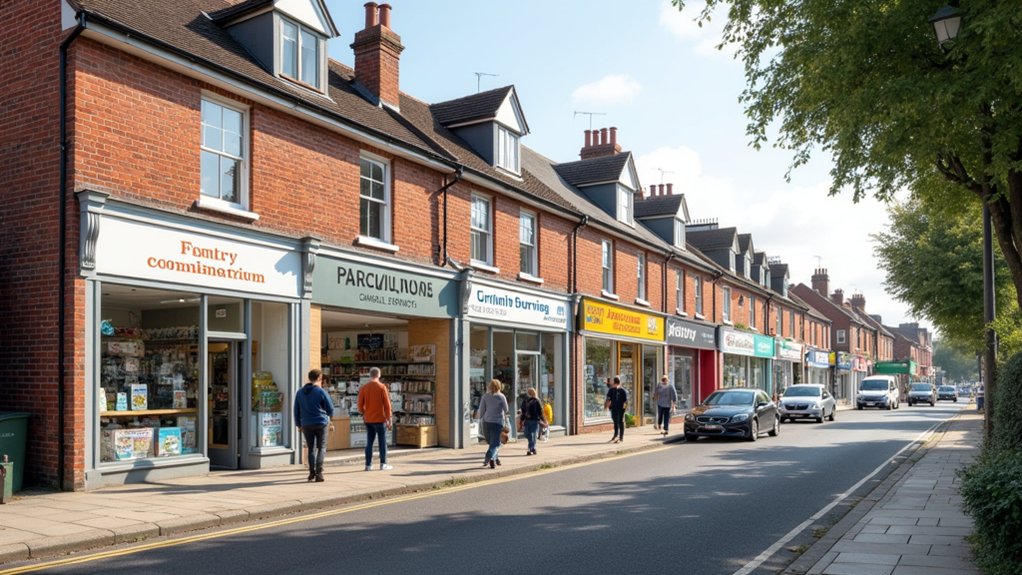
Although Parkwood isn’t a major retail centre, you’ll find a practical mix of convenience shops, takeaways, cafés and everyday services for routine errands without travelling far. Local shops typically cover groceries, prescriptions, postal needs and basic household purchases, while independent businesses add hairdressing, beauty and repair services.
You’ll also find several food options, making weekday convenience stronger than the area’s limited destination shopping. For a broader selection, Maidstone town centre is the main nearby choice, with larger supermarkets, national retailers, banks and professional services.
Local markets and seasonal events can add variety, but they shouldn’t replace regular shopping provision in your assessment. When comparing homes, check walking distances, parking, delivery coverage and opening hours.
These retail amenities support everyday liveability, although serious shoppers may prefer a short drive or bus journey.
Is Parkwood Good for Families?
Is Parkwood good for families? It can be, particularly if you value practical community amenities and manageable access to Maidstone. You’ll find parks, play areas, sports facilities and everyday services that support family routines without requiring frequent town-centre trips.
These features can also strengthen rental demand from households, although you should assess noise, parking and maintenance before buying.
For education, review local schools’ latest Ofsted reports, admission rules and published performance rather than relying on reputation. Check walking routes, traffic levels and wraparound childcare availability, too.
A property near a well-regarded primary school may attract buyers, but competition can affect pricing, so compare recent sold data with asking prices.
You should also budget for larger homes’ upkeep and confirm broadband, healthcare access and bus links.
How Does Parkwood Compare With Nearby Areas?
How does Parkwood compare with nearby areas? You’ll generally find better value than in central Maidstone, while retaining practical access to the town’s shops, schools and rail connections.
Maidstone offers broader local amenities and a livelier commercial centre, but its higher prices can reduce your budget or space.
Bearsted typically commands a premium for its village setting, attractive surroundings and station access, whereas Parkwood can deliver more house for your money.
Boxley provides a quieter, more rural feel, although day-to-day convenience may depend more on driving.
Across these locations, compare completed-sale prices rather than asking prices, then test commute times at peak hours.
Parkwood’s community atmosphere can feel established and residential, but you should assess each street individually: parking, traffic, property condition and future development can materially affect value.
Who Is Parkwood Best For?
Parkwood is best suited to buyers who prioritise value, space and a manageable London commute over a village setting or premium central-Maidstone amenities. You’ll appeal to families and first-time buyers seeking more floor area for their budget, particularly where price-per-square-metre matters.
Community amenities, including everyday shops, parks and services, support practical living without requiring frequent trips into Maidstone.
Local schools make the area relevant to parents, but you should compare catchments, Ofsted outcomes and available places before committing.
Commuters can benefit from nearby Maidstone stations and onward rail links, although you’ll need to model door-to-door time, season-ticket costs and parking realistically.
Parkwood also suits buyers planning longer-term value growth rather than immediate prestige.
If you demand a walkable town centre, extensive nightlife or direct high-speed rail, a more central location may better match your priorities.
Frequently Asked Questions
What Are the Council Tax Rates in Parkwood?
Parkwood’s council tax depends on your property’s valuation band; 2024/25 rates range roughly from £1,535 to £4,605 annually. Check Medway Council’s bill calculator, then factor payments into housing affordability and property appreciation projections.
Are There Parking Restrictions or Permit Schemes in Parkwood?
Yes, you’ll find parking restrictions and permit schemes in parts of Parkwood. Check each street’s signs and council maps: Parking permits may apply during restriction hours, while enforcement varies near shops, schools, and junctions.
What Is Broadband and Mobile Coverage Like in Parkwood?
You’ll find broadband like a dependable motorway: fiber infrastructure supports fast packages, though speeds vary by street. Check individual addresses. Mobile network strength is generally solid, but test indoor reception across major providers before committing.
Are There Flood Risks or Other Environmental Concerns in Parkwood?
You’ll find generally low flood risk, but check Environment Agency maps and obtain a property-specific Flood risk assessment. Review drainage, soil stability, air quality, and environmental conservation efforts before committing, especially near streams or undeveloped land.
What Local Community Events Take Place in Parkwood?
You’ll find Parkwood community events through local schools, churches, sports clubs, and council listings, including fairs, clean-ups, and seasonal gatherings. Explore local volunteer opportunities and neighborhood safety initiatives to build connections and assess community engagement.
Conclusion
Parkwood can work if you’re prioritising space and value over a genuinely quick London commute. You’ll typically face a 90-plus-minute door-to-door journey, so test the route at peak times before making an offer. Compare Maidstone West with other stations, budget for parking and season tickets, and investigate planned development. If the numbers still stack up, Parkwood offers practical suburban living. Remember, “look before you leap”: assess resale demand, maintenance costs, and your long-term tolerance for commuting.